
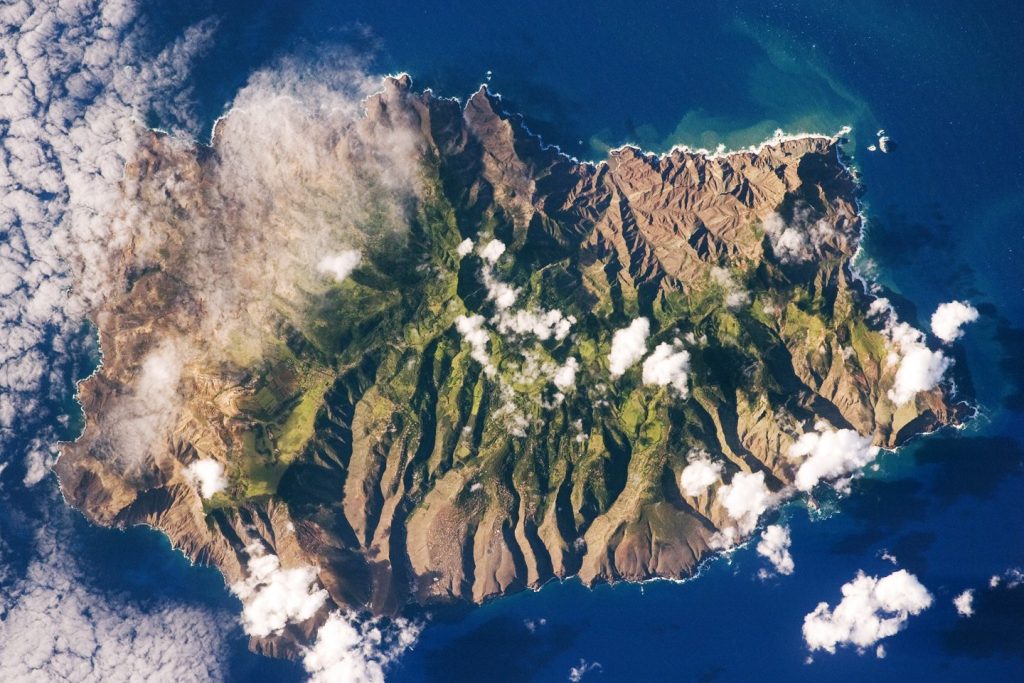
GEORGETOWN, June 20 — A magnitude 5.5 earthquake struck 160 km NE of Georgetown, Saint Helena, at 06:43 UTC, according to the U.S. Geological Survey (USGS), sending shockwaves through the region. The earthquake, which occurred at a depth of 10 km, has prompted authorities to assess its potential impact on populated areas. For families living in the affected region, this means a heightened sense of vigilance, as aftershocks are possible in the coming hours and days.
The USGS detected the event through its real-time global seismic monitoring network, providing critical information to emergency responders and authorities. This technology has been instrumental in helping scientists and officials understand the scope of the earthquake and its potential consequences.
Behind the scenes, experts are working tirelessly to analyze data and provide updates to the public, highlighting the human side of disaster response. No tsunami warning was issued, which is a relief for coastal communities that could have been affected by such a warning. However, the possibility of aftershocks remains a concern, and residents are advised to remain cautious and follow instructions from local authorities.
What this means for patients and individuals with pre-existing medical conditions is a potential disruption to their daily routines and access to medical care, underscoring the need for contingency planning and emergency preparedness. The U.S. Geological Survey’s role in monitoring seismic activity is crucial, providing vital information that helps save lives and reduce the impact of earthquakes.
By leveraging its global network, the USGS enables authorities to respond quickly and effectively, mitigating the effects of such events. For the people of Saint Helena, the support and expertise of organizations like the USGS are essential in navigating the aftermath of the earthquake. A short, sharp shock has left many in the region shaken, but fortunately, there are no reports of widespread damage or casualties.
As the situation continues to unfold, it is essential to focus on the human side of this story, recognizing the resilience and strength of the people affected. The coming days will be critical in assessing the full impact of the earthquake and providing support to those who need it. Looking ahead, what to watch next is how the authorities and emergency responders handle the potential aftershocks and any subsequent challenges that may arise.
The US administration, including President Donald Trump and his team, will likely be monitoring the situation closely, providing support and resources as needed. As the people of Saint Helena look to the future, they can take comfort in the knowledge that they are not alone, and that help is available to those who need it.




