
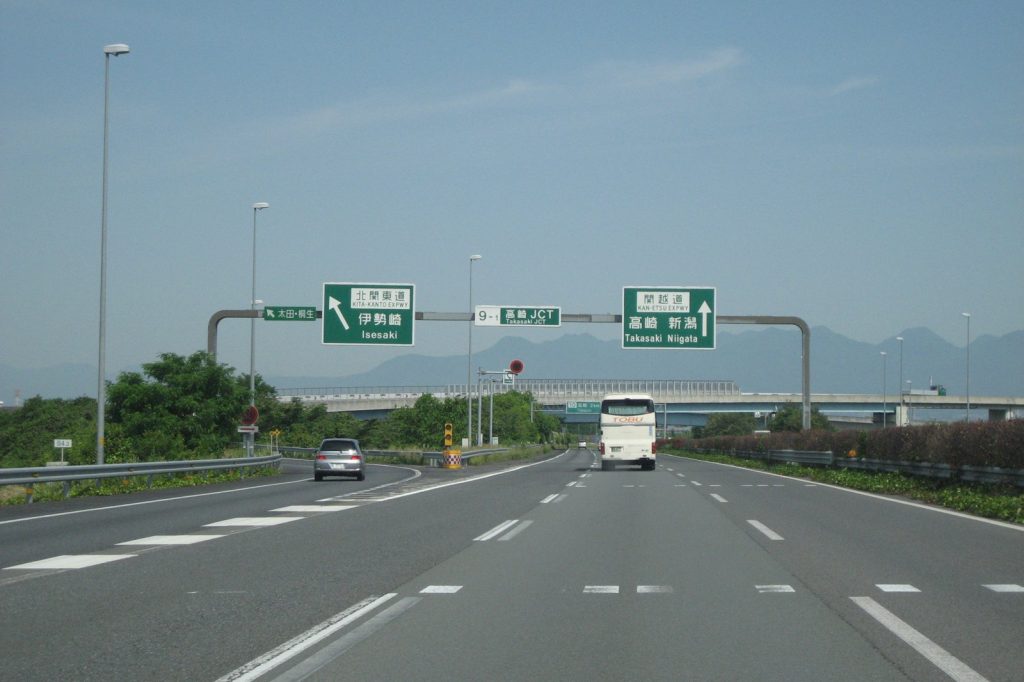
A massive pile‑up involving fifty vehicles occurred on the Kan‑etsu Expressway in Gunma Prefecture on December 26, 2025. The collision resulted in two fatalities and left twenty‑six people with injuries of varying severity. Emergency responders arrived quickly. Medical teams worked continuously to treat the injured and prevent further harm.
The expressway, a key national route managed by the East Nippon Expressway Company, serves millions of commuters and travelers each year. Designed to support efficient and safe movement, the roadway’s role as a major transportation artery makes any incident on it particularly consequential.
Authorities have launched an investigation to determine the precise causes of the crash. The immediate priority remains providing assistance to the victims and their families. Experts note that preventing similar events requires attention to multiple factors: the design and upkeep of the expressway itself, robust public awareness campaigns, and strict enforcement of traffic regulations.
The swift rescue operation demonstrated the effectiveness of emergency services. Yet the scale of the crash—twenty‑six injured—highlights how such events can ripple through communities, affecting not only those directly involved but also their loved ones and the wider public. In the aftermath, officials intend to conduct a thorough review of the circumstances leading up to the collision.
The goal is to identify concrete measures that could reduce the likelihood of future pile‑ups. Such an examination will likely consider infrastructure improvements, enhanced monitoring systems, and stricter compliance with safety protocols. The incident also brings into sharper focus the broader implications of relying heavily on expressways and automobile transport.
As nations grapple with energy security concerns and fluctuating fuel costs, there is growing momentum toward shifting transportation systems to renewable energy sources. Transitioning to cleaner alternatives—such as electric or hybrid vehicles—can lessen dependence on finite fossil fuels, buffer economies against price volatility, and contribute to environmental preservation.
Beyond environmental benefits, adopting renewable energy for transport supports energy independence and stability, which are considered essential for sustained economic growth. Japan and other countries face the challenge of balancing the demand for efficient mobility networks with the imperative to protect the environment. Advances in electric and hybrid vehicle technology are making these options increasingly practical for both personal and commercial use. To facilitate a widespread shift, investments in supporting infrastructure—such as charging stations and dedicated lanes for low‑emission vehicles—will be crucial.
By embracing these changes, societies can work toward a future that prioritizes human safety, planetary health, and economic resilience. The crash on the Kan‑etsu Expressway serves as a stark reminder of how human, environmental, and economic well‑being are intertwined.




