
WELLINGTON, New Zealand — A partial solar eclipse dimmed skies over a narrow band of the Southern Hemisphere on September 21, with the Moon covering more than 85 percent of the Sun’s diameter. The eclipse reached a magnitude of 0.855, and the Moon’s shadow stretched about 100 miles wide as it swept across the planet. The path of visibility was limited, a hallmark of solar eclipses, which unlike lunar eclipses are only seen from a small strip of Earth.
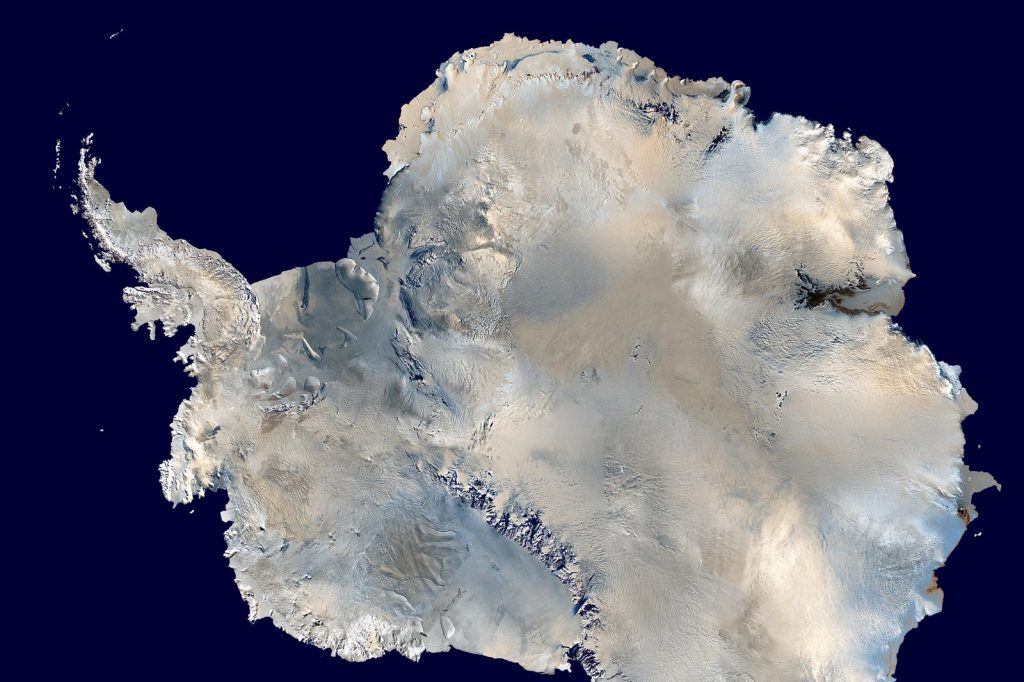
The viewing zone crossed Antarctica and parts of the South Pacific Ocean, giving ships and research stations a front-row seat to the celestial event. But it was not a global spectacle, and for most of the world, the sky went about its business unnoticed.
New Zealand had been predicted to offer prime viewing, but clouds rolled in over much of the country. Enthusiasts there saw little more than gray sky, a sharp letdown after weeks of anticipation. Partial eclipses are more common than total ones, but they are still rare. They are part of a larger pattern, the result of the Moon’s orbit, which is tilted about five degrees relative to Earth’s orbit around the Sun.
Most months, the Moon passes above or below the Sun. Only when that tilt aligns with the Earth-Sun line does an eclipse occur, which happens roughly twice a year.
The September 21 event was one of those alignments. For scientists, partial eclipses are not just a show. They offer a chance to study the corona, the Sun’s outer atmosphere that is normally washed out by the Sun’s bright light.
Instruments can capture data on solar activity, magnetic fields, and the stream of particles that shapes space weather here on Earth. Researchers stationed in Antarctica held an advantage during the event.
The continent’s clear, dry air and long periods of daylight during the austral spring made for some of the best observing conditions on the planet. The last partial solar eclipse visible from a populated landmass occurred in October 2023, and the next one may not come for years. For those who missed this one, the wait could be a long one.
The Moon’s shadow crossed a remote part of the planet, and the data collected there connected observers to the same orbital mechanics that have governed Earth and its Moon for billions of years. The event itself was fleeting, but the mechanics behind it are as old as the solar system.
For most of the world, the eclipse was a non-event. But for the few who saw it through clear skies, it was a brief, dramatic reminder of the clockwork motion overhead.
Background and why it matters
Antarctica, Earth’s southernmost and least-populated continent, has for centuries been a subject of exploration and scientific inquiry. First observed in the 19th century, the continent has since been marked by a history of exploration, with numerous expeditions seeking to penetrate its harsh, icy interior. Today, Antarctica is governed by an international treaty system that keeps it free of military activity and nuclear waste, instead focusing on tourism, fishing, and scientific research. With the majority of the Earth’s freshwater locked up in its ice, Antarctica plays a critical role in global sea level rise and ocean health. Activities in this remote continent, however, have indirect effects on the environment through pollution and climate change, making ongoing research and international cooperation essential for understanding its impact on the planet.




