
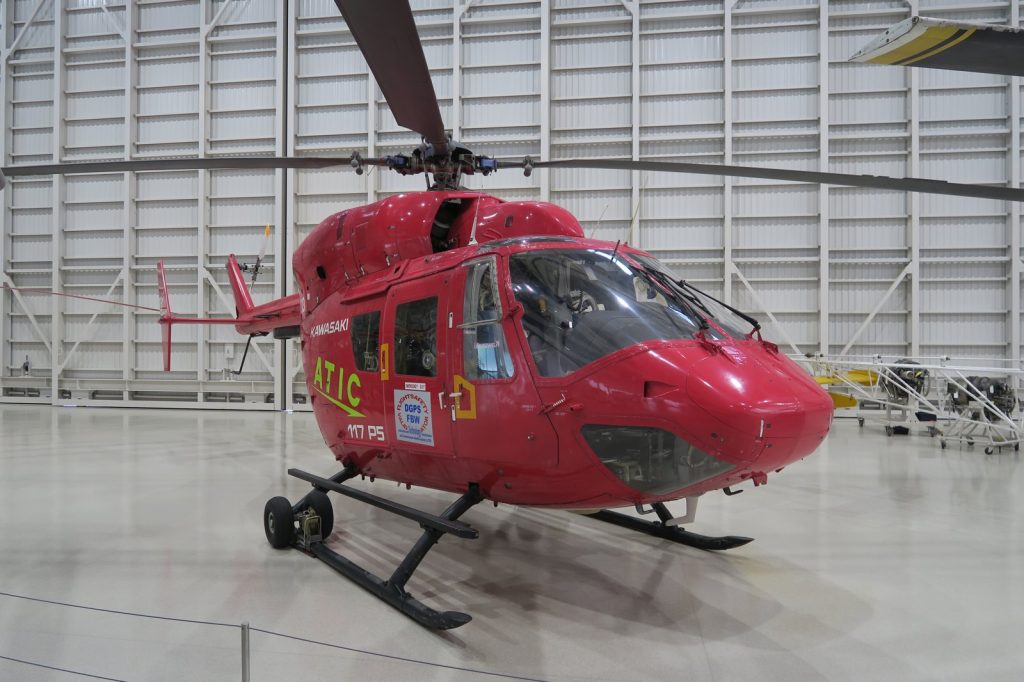
A rescue unit operating in Kalimantan, Indonesia, has uncovered the charred remains of an EastIndo‑operated MBB/Kawasaki BK 117 passenger helicopter that vanished on Monday. The team also retrieved one human body from the crash site, marking a somber conclusion to the search that began after the aircraft’s disappearance. EastIndo, a Jakarta‑based charter airline, has been working closely with Indonesian authorities throughout the investigation.
The airline currently holds a Category 2 rating from the Indonesian Civil Aviation Authority, a classification that acknowledges certain deficiencies in safety procedures while still permitting commercial operations. As investigators examine the wreckage, the airline’s safety record will be scrutinized to determine whether any procedural gaps contributed to the accident.
The incident occurred over the island of Borneo, specifically within the Indonesian province of Kalimantan. The region’s dense rainforest and rugged topography are known to complicate aerial navigation and rescue missions. The discovery of the wreckage and the recovered body provides investigators with tangible evidence that may help clarify the factors that led to the crash.
Indonesia’s aviation sector has been under pressure to improve safety standards across its sprawling archipelago. Government initiatives have focused on upgrading airport infrastructure, tightening regulatory oversight, and encouraging operators to adopt modern technology and enhanced training programs.
Nevertheless, the country’s varied geography—ranging from mountainous terrain to remote jungle—continues to pose significant challenges for safe air travel. The recovery operation underscores the vital role of emergency response teams in aviation incidents. Personnel often operate in hazardous conditions, navigating difficult terrain to locate wreckage and assist families awaiting answers. Their dedication is a key element in delivering closure to those affected by such tragedies.
While the exact cause of the EastIndo helicopter crash remains undetermined, the incident highlights broader concerns about aviation safety in regions with demanding environments. Experts point to the necessity of sustained investment in safety measures, including the adoption of advanced navigation aids and rigorous pilot training, to mitigate risks associated with operating in remote areas.
Looking ahead, the findings from this investigation are expected to inform policy discussions on how to strengthen safety protocols for charter operators and other commercial flight services. The goal is to ensure that Indonesia’s growing aviation market can expand without compromising passenger security. Beyond immediate safety considerations, the crash serves as a reminder of the delicate balance between development and environmental stewardship in places like Kalimantan.
Preserving the region’s natural habitats while advancing transportation infrastructure requires a commitment to sustainable practices and responsible resource management. As the nation mourns the loss of life associated with the EastIndo helicopter, gratitude is due to the rescue teams whose perseverance made the recovery possible.
Their efforts not only aid the ongoing inquiry but also provide essential support to the families awaiting answers.




