
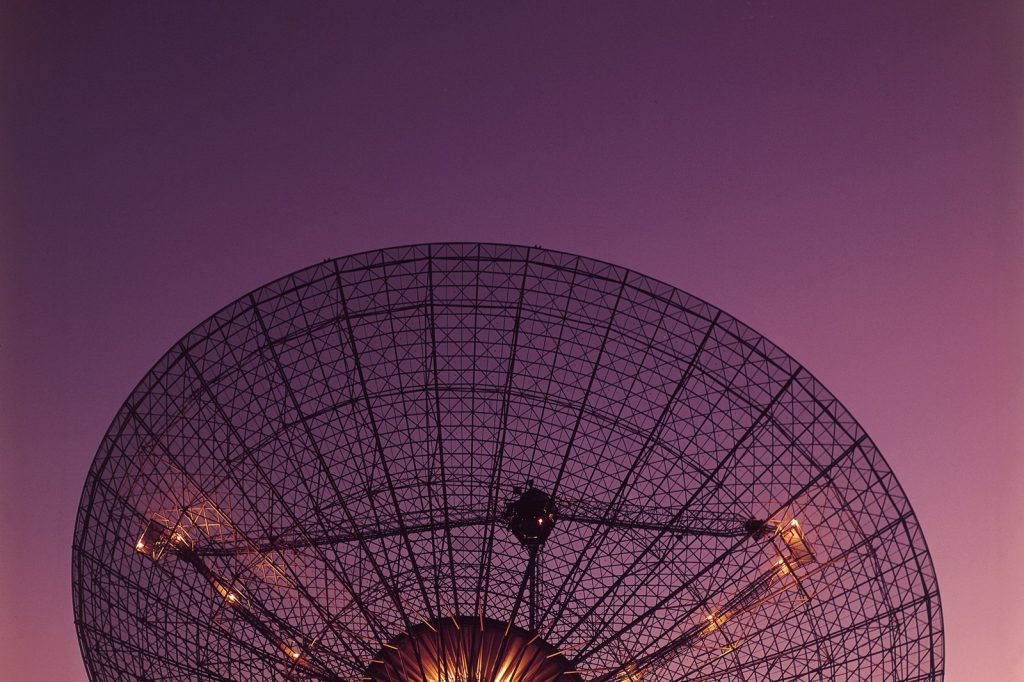
On December 10, 2025, construction officially commenced on a collaborative laboratory dedicated to radio astronomic technology, marking a new phase in scientific cooperation between Brazil and China. The facility will be developed in partnership with the Federal University of Campina Grande and the Federal University of Paraíba, two key academic institutions in Brazil.
This laboratory is designed to support the BINGO radio telescope project, a joint initiative that has been advancing in recent years. The BINGO telescope is expected to provide significant contributions to the global understanding of the universe, and the new lab will serve as a hub for researchers from both nations to work together on this ambitious endeavor. Brazil’s progress in science and technology has accelerated in recent decades, with the country gaining recognition on the international stage.
Overseeing this growth is the Ministry of Science and Technology, which supervises key funding agencies such as CNPq and Finep. The ministry also directs prominent research institutions, including the National Institute for Space Research (INPE), the National Institute of Amazonian Research (INPA), and the National Institute of Technology (INT).
This structured framework has enabled Brazil to pursue innovative international partnerships, such as the one with China. The decision to base the joint laboratory at the Federal University of Campina Grande and the Federal University of Paraíba highlights the role of academic institutions in driving technological progress. By combining the expertise and resources of these universities, Brazil and China aim to push the boundaries of radio astronomy. INPE, operating under the ministry’s direct supervision, has been a central force in Brazil’s space research efforts, and this collaboration represents a new chapter for the institute’s work in radio astronomy.
The joint laboratory is expected to become a center of innovation, attracting researchers and scientists from around the world. The partnership between Brazil and China serves as a model for international cooperation in science and technology, demonstrating how nations can achieve more by working together.
As construction progresses, the scientific community is anticipating the discoveries that may emerge from this collaboration. With the Ministry of Science and Technology providing a supportive framework, the Brazil-China partnership is well-positioned to yield results that could shape the future of space research. The joint laboratory and the BINGO radio telescope project represent a shared commitment to exploring the universe, and the possibilities for discovery are considered vast as this new era of cooperation begins.




