
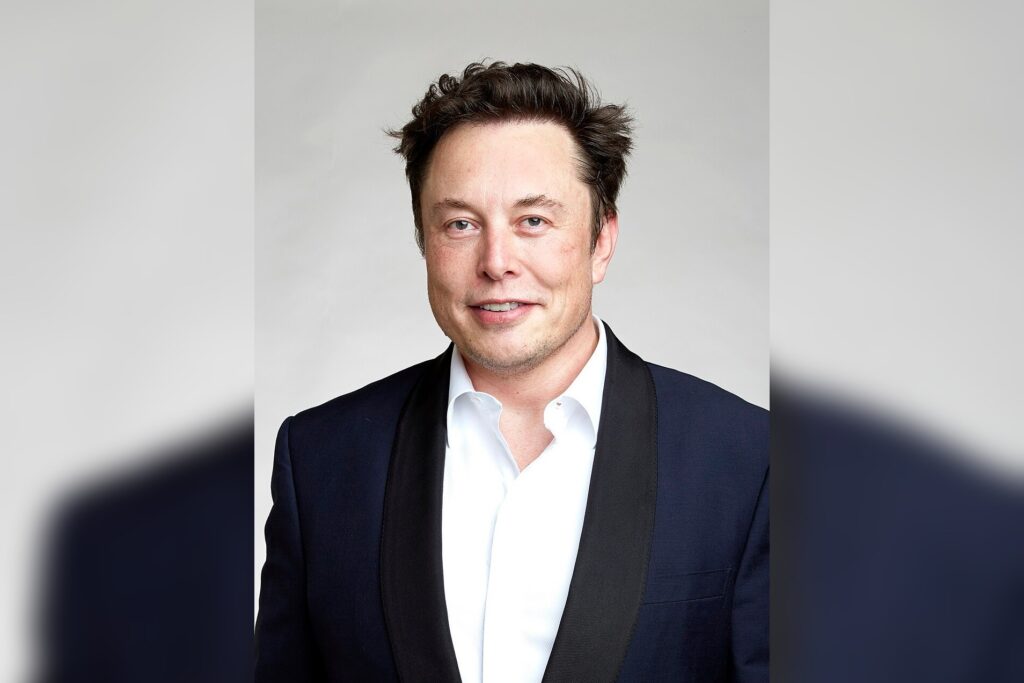
ROME, July 6 — Against this backdrop of a rapidly crowding celestial sphere, the battle for the night sky is no longer merely the province of astronomers and poets. It has become a business story, and one with distinctly European stakes. SpaceX, the American company founded by Elon Musk in 2002, now operates the largest constellation of satellites on the planet.
Its Starlink network alone had placed more than 4,000 satellites into orbit as of 2023. The sheer scale of this deployment has triggered a quiet but urgent response from the scientific community, and from the International Astronomical Union (IAU) in particular.
The IAU, established in 1919, has emerged as a leading voice in the push to preserve dark skies. In the corridors of observatories from the Alps to the Atacama Desert, its recommendations for satellite brightness limits are being treated with increasing gravity. What is at stake is not just the aesthetic of a starry night, but the viability of ground-based astronomy itself.
Yet SpaceX is not alone in this new space race. OneWeb, founded in 2012, and Amazon’s Project Kuiper, announced in 2019, are also deploying or planning large satellite constellations.
The wider picture is one of a commercial gold rush above our heads, and the light pollution it generates is a collective problem. Coating developers are working on solutions. Researchers at institutions like the University of British Columbia, alongside companies specialising in optical coatings, are exploring ways to make satellites less reflective.
The technical challenge is considerable: a satellite must be dark enough not to interfere with telescopes, yet reflective enough to manage its own thermal balance. For now, the regulatory framework remains fragmented. The IAU can issue recommendations, but it cannot enforce them.
The European perspective on this is sharp: the continent’s observatories, many of them perched in remote mountain locations precisely to escape light pollution, now find themselves looking up at a sky filled with moving, man-made stars. The next phase of this story will be written in the boardrooms of Hawthorne, California, and in the committee rooms of international scientific bodies.
The question is whether commercial imperatives and the preservation of dark skies can be reconciled before the view from Earth is permanently altered.




