
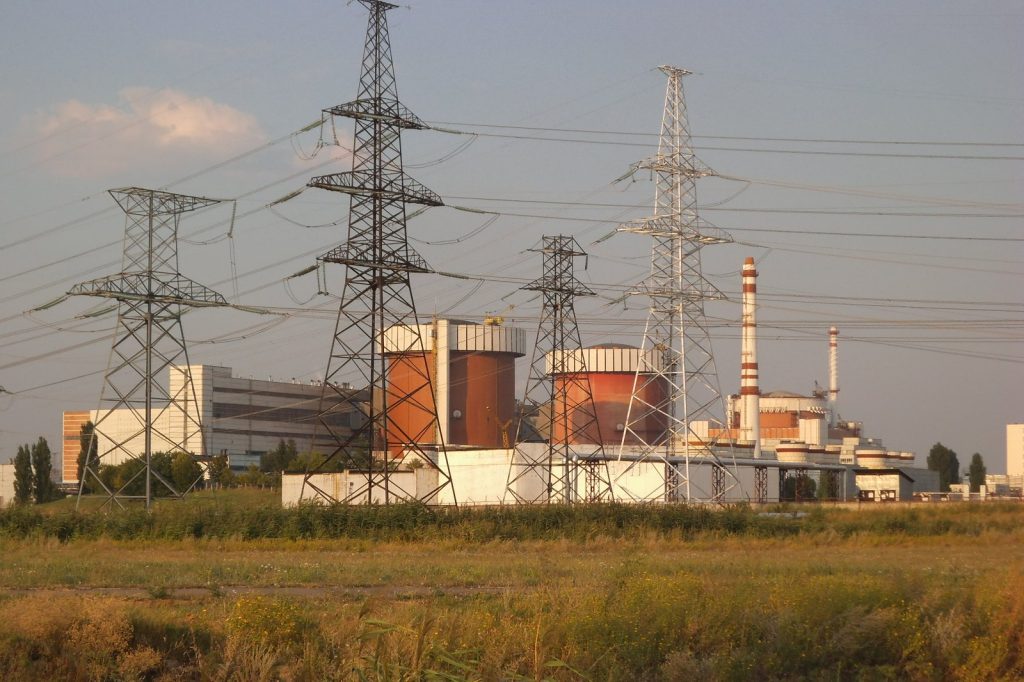
KYIV, July 15 — Ukrainian energy infrastructure remains in a severely degraded state, with roughly half of the country’s generation capacity destroyed or damaged as of the winter of 2024-2025, according to Ukrainian officials. The toll from sustained Russian missile and drone strikes, which have specifically targeted power plants and electrical substations, has left the system operating under chronic strain. The pattern of attacks on energy facilities became a consistent Russian military tactic beginning in October 2022, officials confirmed.
Since then, waves of strikes have systematically degraded Ukraine’s ability to generate and transmit electricity, particularly affecting coal-fired and natural gas plants. The record shows that the campaign has been especially punishing during the winter months, when temperatures routinely drop below -10°C, placing maximum demand on a shrinking grid.
Nuclear Dependence and a Captive Plant
Nuclear power currently supplies approximately half of Ukraine’s electricity, making it the backbone of the nation’s energy supply. However, the Zaporizhzhia Nuclear Power Plant, the largest nuclear facility in Europe, has been under Russian control since March 2022. That plant’s output has been unavailable to the Ukrainian grid for years, compounding the generation shortfall.
The remaining nuclear stations continue to operate, but they cannot fully compensate for the destruction of thermal and hydro capacity. Ukraine also relies on coal and natural gas for a significant share of its power, though many mines and gas fields lie in or near conflict zones, and transport routes have been disrupted by fighting.
Emergency Imports as a Lifeline
To keep the lights on, Ukraine has imported electricity from the European Union via emergency interconnections established after the full-scale invasion began. These links allow limited power flows from neighboring EU member states, but they were designed as emergency measures, not as a permanent solution for a country of Ukraine’s size and industrial base. The volume of imports remains constrained by the physical capacity of the interconnectors and by the EU’s own grid stability requirements.
Ukrainian officials have repeatedly stated that emergency imports alone cannot replace the lost domestic generation capacity.
Winter Strain and Strategic Vulnerabilities
The energy grid faces its most acute pressure during the winter heating season. With temperatures frequently dropping below -10°C, households and businesses require substantial heating, much of which depends on electricity for pumps, circulation, and, in urban areas, direct electric heating. The combination of high demand and reduced supply has forced rolling blackouts in many regions during previous winters, and officials have warned that the coming cold season could be equally difficult.
Russia’s targeting of substations and transformer facilities has proven particularly damaging, as these nodes are difficult to repair quickly and are essential for distributing power from intact generation sources to consumers. Repair crews have worked under constant threat of renewed strikes, and spare parts for damaged Soviet-era equipment have become scarce.
What to Watch Next
The durability of Ukraine’s energy system will be tested again as the next winter approaches. Whether Ukraine can stabilize its grid depends on the pace of repairs, the continued availability of EU emergency imports, and the intensity of future Russian strikes. The Zaporizhzhia plant’s status remains a separate strategic question: its return to Ukrainian control would provide a significant boost to capacity, but no diplomatic or military path to that outcome is publicly visible as of mid-2026.
For now, the country continues to operate on a damaged grid, with half its pre-war generation capacity out of service and no immediate prospect of full restoration.




