
Every July, the National Wildland Firefighter Week of Remembrance arrives. It is not a holiday. There are no parades.
It is a stretch of days set aside for one purpose: to hold the names of the dead in public view. This year, the observance began July 1.
It comes during a fire season that is already punishing crews across the West. Firefighters are working long shifts in smoke-choked air. The heat and fatigue are constant.
The rhythm is brutal. The week exists because wildland firefighting kills people.
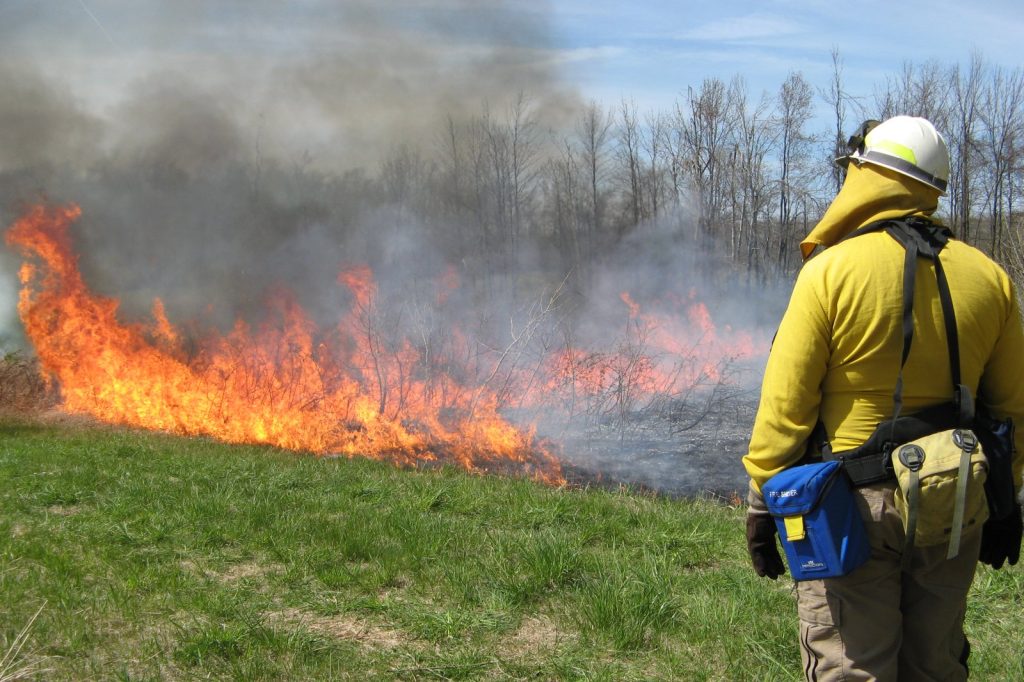
It is not a desk job. It takes men and women into rugged, unpredictable terrain. They walk toward flames.
That choice is described by those who know it as a calling — a sense of duty to protect communities and wildlands. It demands courage and selflessness. For the families of the fallen, this week carries a weight that never fully lifts.
The observance offers them a moment to see that the nation has not forgotten. Memorials and moments of silence are being held at fire camps and agency offices across the country.
In some places, flags fly at half-staff. Families gather. Stories are told.
The work itself is a paradox. Every instinct says to run from a wildfire.
The job requires walking into it. Crews are stretched thin. They work in smoke so thick it burns the lungs.
They dig lines. They drop retardant. They sleep in shifts and wake up to do it again.
The victories are written in sweat and soot. Every fire contained.
Every home saved. Every community protected. The Week of Remembrance asks the public to consider that reality.
To hold space for those who did not come home. The observance is not new.
It is an annual fixture. But its timing matters. Fire seasons are growing longer.
The West is dry. The conditions that create catastrophic wildfires are more common now than they were a generation ago. The crews are the same people.
They still suit up. They still go.
There is no official national monument to wildland firefighters. No single place to leave flowers. The remembrance week functions as a dispersed memorial — a thousand small ceremonies in fire camps, agency offices, and living rooms.
The hope, as expressed by organizers, is that the nation will listen and remember long after the week is over. The dead are not numbers.
They are people who had families, who told jokes, who were exhausted and scared and kept going anyway. The week is for them. It is also for the living — the crews still on the line, the families still waiting for the phone to ring.
Flags fly. Moments of silence are held. Stories are told.
The week passes. The work does not stop.




