
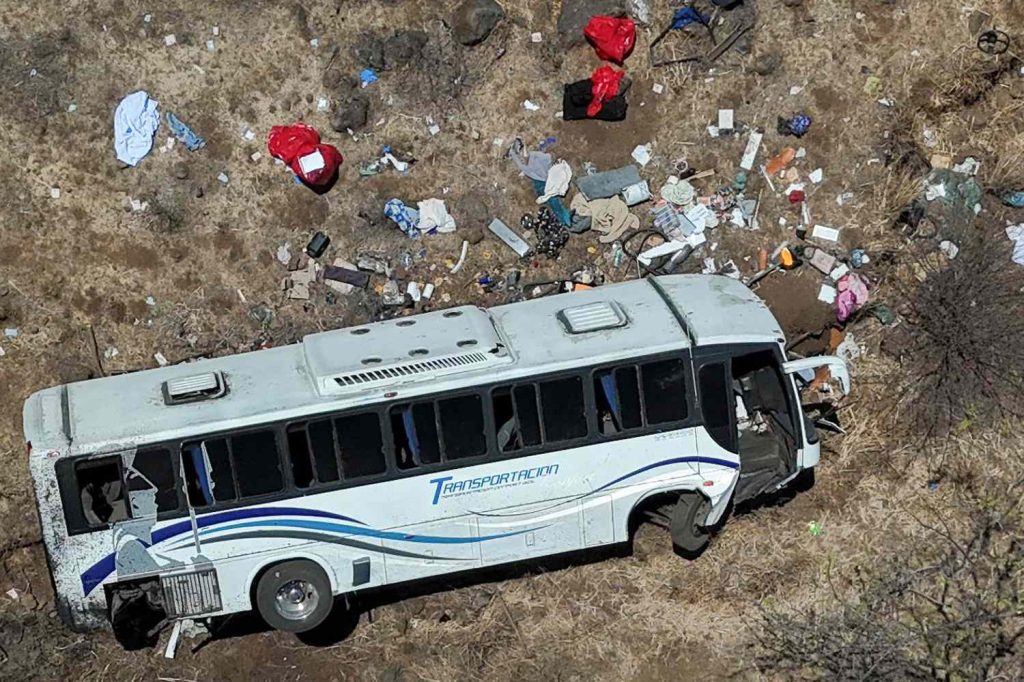
A passenger bus that left the highway and rolled over close to the town of Amatlán de Cañas, Nayarit, has left eleven people dead and thirty‑one wounded, according to the latest official count. The figures are still being compiled, but the incident is already prompting a detailed inquiry into the conditions of the road and the broader transport network that serves the region. The stretch of highway where the crash occurred is not a modern tollway but a two‑lane route that winds through mountainous terrain and small communities.
Investigators will examine the wreckage for clues such as tire tracks, the state of the guardrail, and any signs of metal fatigue. Yet the underlying issue appears to be the strain on a system that relies heavily on aging infrastructure and heavily used buses.
Amatlán de Cañas is a modest municipality; the town itself recorded a population of 3,275 in 2005, while the surrounding municipality numbered 10,392. For residents, buses are essential links to employment, family, medical services and larger urban centers. When a vehicle of this type is involved in a serious accident, the impact reverberates far beyond the immediate loss of life and injuries. While the exact cause of the overturn remains under investigation, past incidents on Mexican highways frequently involve a combination of factors: overloaded vehicles, driver fatigue, excessive speed, and roadways that were not engineered for high‑speed, high‑volume traffic.
Many buses in operation are old and may suffer from inadequate maintenance, conditions that authorities typically examine in the early stages of an inquiry. Nayarit, situated along the Pacific coast, serves both as a tourist destination and a transit corridor.
The highway near Amatlán de Cañas channels traffic from interior regions to beach towns and connects the north with Guadalajara and other major destinations. Consequently, the road carries a significant flow of vehicles, making any accident on this corridor particularly tragic and, in some respects, foreseeable. Emergency responders arrived promptly, transporting the injured to nearby medical facilities.
The immediate medical response followed standard procedures, but the aftermath for families is more complex. Relatives are awaiting news in hospital corridors and from local officials, while authorities work to identify the deceased and arrange funerals.
The community now faces the difficult task of assessing whether this disaster will spark lasting change. Mexico continues to rank among OECD nations with the highest road fatality rates, and bus crashes remain a recurring concern. Official statements typically pledge thorough investigations and call for improved safety measures, yet systemic challenges persist: aging fleets, underfunded road maintenance, and uneven enforcement of regulations.
This crash adds another data point to an ongoing pattern—eleven fatalities and thirty‑one injuries in a municipality of roughly ten thousand residents. The forthcoming investigative report will likely pinpoint a proximate cause, but that cause will reflect broader systemic weaknesses in a transportation network that moves people efficiently but does not always safeguard them.
The incident underscores a pressing need to prioritize infrastructure upgrades, vehicle safety standards, and driver welfare to prevent future tragedies.




