
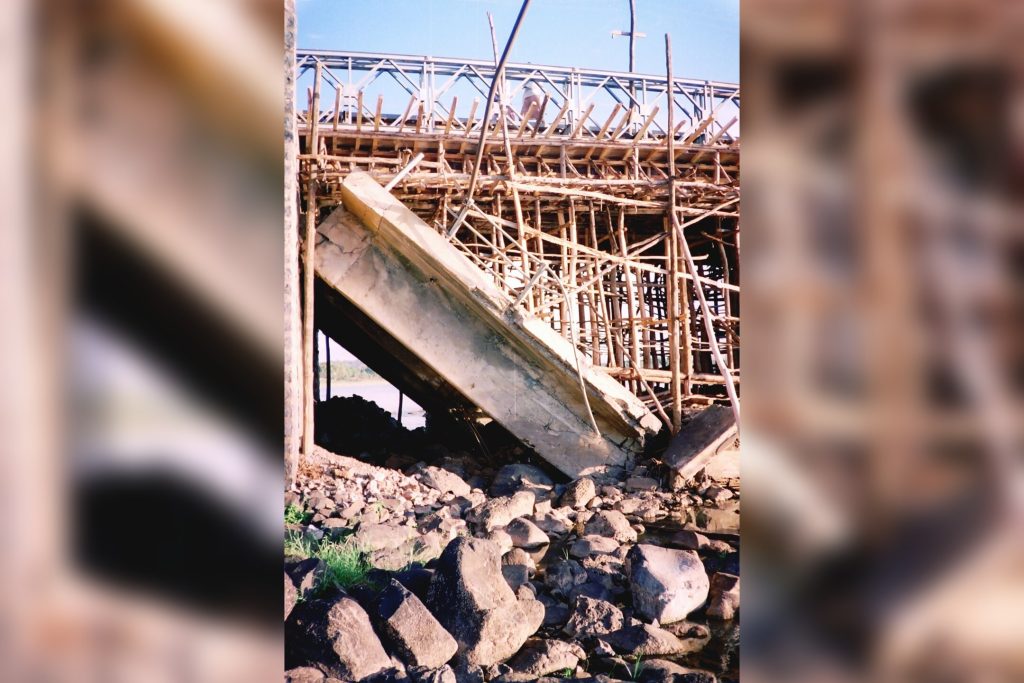
On 22 August 2025, a partially built section of the Jianzha Yellow River Bridge gave way and plunged into the river, killing twelve construction workers and leaving four more missing. The structure, a steel railway bridge being erected by China Railway Major Bridge Engineering Group, was still under construction and had been slated for completion later this month.
When finished, the bridge would have stretched 1,596.2 metres across the Yellow River, featuring a single 366‑metre span. It was set to become China’s first continuous‑truss arch railway bridge over the Yellow River and, on a global scale, the largest double‑track continuous steel truss arch bridge in service. The project formed a critical segment of the Sichuan–Qinghai railway, a line intended to improve connectivity between the two provinces.
The bridge is located on the border of Jianzha County in Qinghai Province, a remote, high‑altitude region where major infrastructure projects signal the central government’s commitment to linking the country’s eastern coast with its western interior. The collapse therefore represents not only a tragic loss of life but also a setback to a broader economic‑development strategy that relies on rail links to move goods, people and capital.
Authorities have not yet released an official cause for the failure. An investigation is expected, though such inquiries typically require considerable time. In the interim, rescue teams continue to search the river and its banks for the four workers still missing.
The Yellow River, the third‑longest river in Asia, is known for its breadth and powerful currents, conditions that complicate recovery efforts. Technical challenges inherent in building a double‑track continuous steel truss arch bridge are substantial.
Every beam, joint and weld must withstand the combined stresses of gravity, water flow, weather and the limits of steel and concrete. A failure in any single component can precipitate a total collapse, as appears to have occurred at Jianzha. Beyond the human toll, the incident raises environmental concerns.
The bridge’s steel components, construction equipment, and any residual fuels now rest in the river, potentially affecting the diverse aquatic ecosystem that the Yellow River supports. While rivers naturally absorb such debris over time, the immediate impact on water quality and riverine life will require assessment.
Qinghai Province, being less affluent than many coastal regions, views projects like the Jianzha bridge as symbols of national integration and progress. The Sichuan–Qinghai railway is a key element of this vision, and the bridge’s collapse undermines a prominent milestone of that plan. Rescue operations, as described by officials, involve boats navigating the river and search parties patrolling the shoreline.
Families of the missing workers remain on standby, awaiting any news. Whether the four unaccounted workers will be found alive or not remains uncertain, as the river’s currents have historically been unforgiving.
In the aftermath, the Jianzha bridge holds an unintended distinction: it is now the world’s largest double‑track continuous steel truss arch bridge to collapse during construction. While not a record anyone sought, it underscores the inherent risks of large‑scale engineering projects.




