
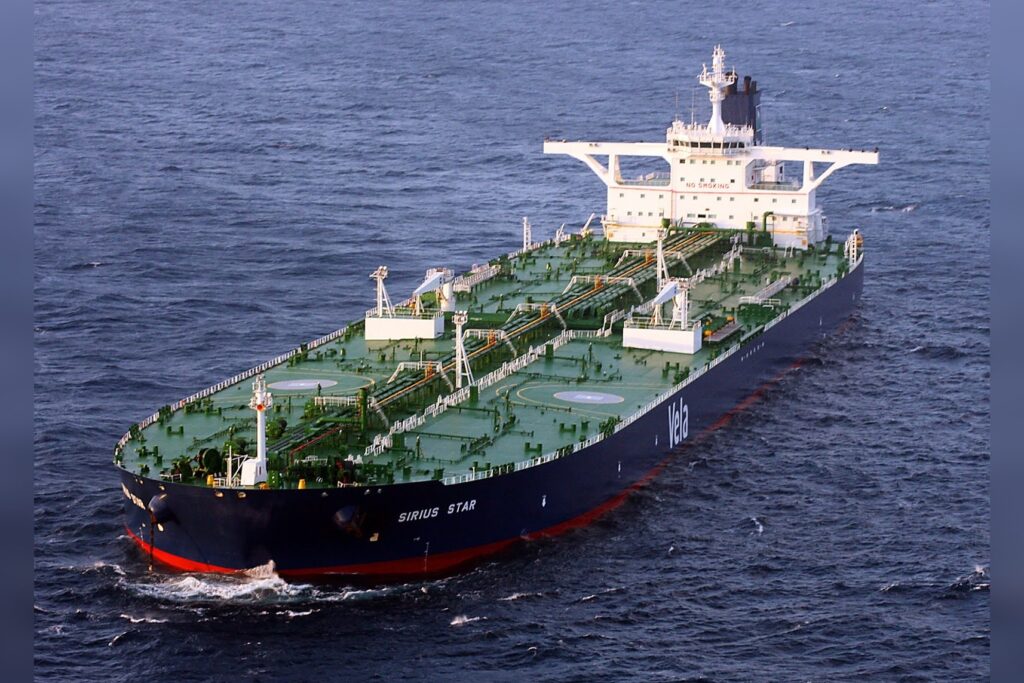
MANAMA, July 13 — A narrow 21-mile-wide waterway, the Strait of Hormuz, connects the Persian Gulf to the Gulf of Oman. Through it, about 21 million barrels of oil per day passed in 2023, according to the U.S. Energy Information Administration. That volume represents roughly 30% of the world’s seaborne oil trade.
For communities across Asia, what happens in this strait directly shapes the cost of fuel, the price of goods, and the stability of energy supplies.
The chokepoint and its traffic
The strait’s depth is about 200 feet, limiting passage to large tankers. Its width includes two 2-mile-wide shipping lanes separated by a 2-mile buffer zone. Key countries relying on the strait include Saudi Arabia, Iran, Iraq, Kuwait, Qatar, and the United Arab Emirates, which export most of their crude oil and liquefied natural gas (LNG) through it.
In 2023, Qatar exported about 80 million tons of LNG via the strait. For families across the region, this LNG powers homes, fuels industries, and keeps electricity grids running.
The U.S. Navy’s Fifth Fleet, based in Bahrain, has patrolled the area since 1949. During the Iran-Iraq War (1980-1988), the ‘Tanker War’ saw attacks on oil tankers, leading to U.S. naval escorts.
Recent tensions and threats
In 2019, after the U.S. withdrew from the JCPOA, Iran seized several tankers, including the Stena Impero in July 2019, escalating tensions. The strait’s depth and narrowness make it vulnerable to mines, small boat attacks, and anti-ship missiles, which Iran has deployed, including the Noor and Qader missiles. A 20% toll announcement on March 18, 2025, could reduce traffic by up to 15%, according to shipping analysts, raising insurance premiums for vessels transiting the area.
For people across Asia, higher insurance premiums mean higher shipping costs, which translate into more expensive goods at the market. It is a chain that starts in a narrow waterway and ends in neighbourhoods from Manila to Mumbai.
What it means for communities
The Strait of Hormuz is not just a strategic asset for governments. It is a lifeline for millions of families who depend on affordable energy and stable trade routes. When tensions rise, the impact is felt in higher fuel prices, disrupted supply chains, and economic uncertainty.
Closer to home, for Filipino workers in the Gulf and across Southeast Asia, any disruption in the strait affects remittances, jobs, and the cost of living. The waterway’s vulnerability to attacks and its narrow passage mean that any conflict could ripple through the region’s economies.
As the 2026 date approaches, analysts will watch whether the toll announcement and ongoing tensions further strain an already fragile waterway. The strait’s role as a global energy chokepoint means that its security remains a concern for everyone who relies on the flow of oil and gas.




