
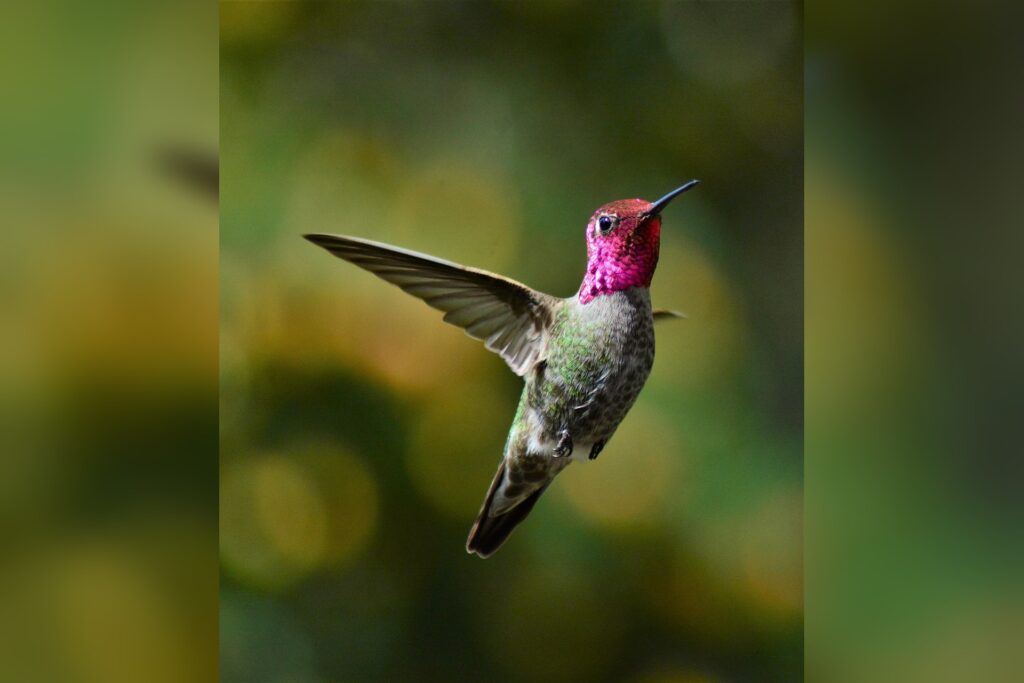
It starts with a flower that blooms too early. Then a hummingbird arrives, wings beating 50 times a second, expecting a meal that is already gone. That is the first link in a chain that ends with an empty feeder and a question on a neighborhood forum: where did all the hummingbirds go?
Step one is habitat loss. Open land gets developed.
Native wildflowers vanish. The hummingbird’s fuel stations disappear. This is not a mystery.
It is the most direct threat. When the flowers go, the birds follow—or they simply don’t arrive.
Step two is pesticides. They do not just kill insects. They contaminate the nectar hummingbirds drink.
They kill the small insects and spiders that provide the protein growing chicks need to survive. It is a one-two punch. The adult bird finds poisoned fuel.
The nestlings starve for protein. Both effects compound over a single breeding season.
Step three is climate change. This is where the timeline gets tangled. Hummingbirds migrate based on daylight length.
That is fixed. But flowers bloom based on temperature.
That is shifting. A bird flies north on a schedule set by the sun. It arrives to find the flowers have already bloomed and wilted.
Warmer temperatures pushed the bloom window earlier. The bird arrives to an empty pantry. These pressures do not hit everywhere at once.
The decline is not a single global disappearance. It is localized.
One yard empties while another stays full. That variation is what makes the pattern hard to see. A neighbor posts online that his feeder is quiet.
Someone across town says hers is swarming. Both are telling the truth.
The difference is which pressures hit which patch of land. Competition among the birds themselves adds another layer. As good habitat shrinks, the remaining patches get crowded.
Dominant birds push out weaker ones. The losers move on or die. The feeder that once held a dozen birds now holds two.
The shift looks like a decline. It is really a redistribution.
The practical upshot for the average person is this: what feels like a local vanishing act is often a localized shift driven by bigger, harder-to-see forces. The empty feeder in your yard does not mean hummingbirds are gone from the continent. It means the fuel supply in your specific area has broken down.
The chain of events is not a single catastrophe. It is a sequence of disruptions.
A flower blooms early. A pesticide kills an insect. A field gets paved.
A bird arrives hungry. One by one, the links break. The feeder stays full.
The question goes unanswered until someone looks at the whole timeline.




