
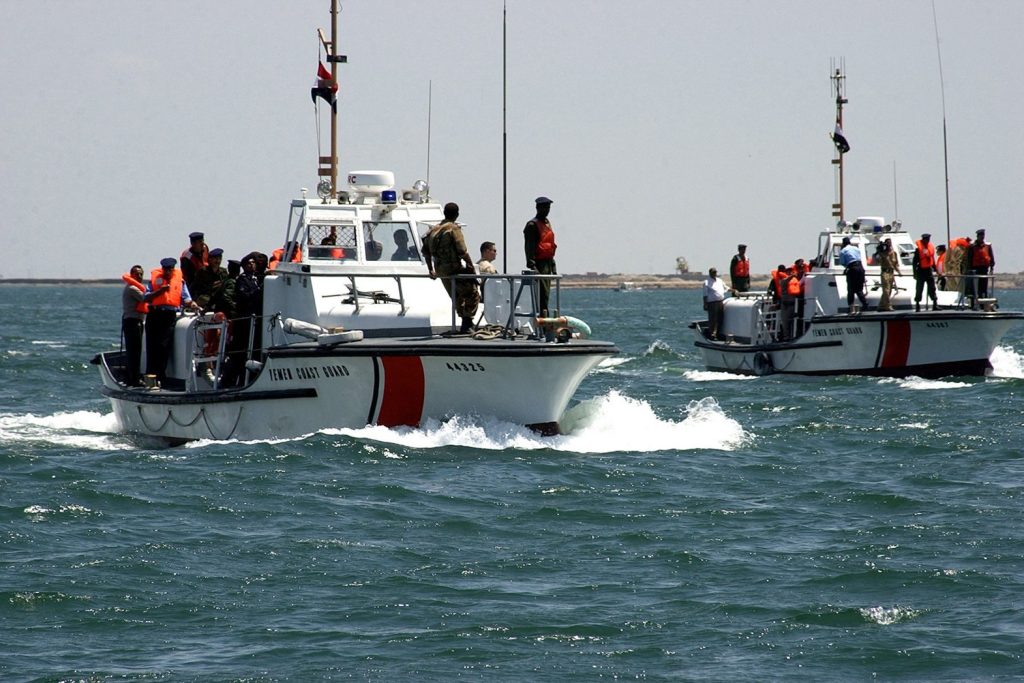
On August 3, 2025, a boat carrying 154 Ethiopian migrants capsized in the waters off Abyan Governorate, Yemen. The disaster left 68 bodies recovered, 74 people still missing and 12 survivors injured. The victims were part of a broader pattern of perilous crossings from the Horn of Africa to the Gulf states. Migrants from Ethiopia, a nation whose name dates back to the 4th century, are not embarking on these voyages out of a lack of hope alone.
They are compelled by the absence of legal avenues to travel, the danger of existing routes, and the scarcity of opportunities at home. The vessel that sank was overloaded far beyond its capacity.
Smugglers, motivated by profit, routinely fill boats to the gunwales, treating safety as an expendable cost. The result is a predictable cycle of capsizing incidents that repeat every few months, prompting international statements but little substantive change. Yemen serves merely as a transit point, not a destination.
The ultimate goal for many of the migrants is employment in the Gulf Cooperation Council countries—particularly Saudi Arabia and the United Arab Emirates—where low‑wage work in construction, domestic service and other sectors is in demand. To reach these markets, migrants must cross the Gulf of Aden in vessels designed for fishing rather than passenger transport.
The journey, lasting only a few hours, is fraught with hazards: shark‑infested waters, the constant threat of engine failure, and the near‑absence of rescue capability. Yemen’s coast guard, weakened after years of civil war, offers little assistance in emergencies. The twelve injured survivors recounted a familiar sequence: payment to a smuggler, boarding under cover of night, severe overcrowding, and then a sudden plunge into the sea that claimed most of those on board.
Root causes in Ethiopia remain unresolved. Drought cycles have intensified, and the lingering effects of the Tigray conflict have displaced millions.
The Ethiopian government has struggled to generate sufficient jobs for a rapidly growing youth population, prompting many to look abroad for a future. International responses to the crisis have been fragmented. The United Nations migration agency operates limited programs, while the European Union funds border‑control initiatives in North Africa and the Horn of Africa.
These efforts focus primarily on preventing boats from leaving, rather than establishing safe, legal migration pathways. As long as safe routes remain unavailable, migrants will continue to rely on dangerous sea crossings, and overloaded vessels will keep endangering lives.
The stark figures from this latest tragedy—68 confirmed deaths, 74 missing and 12 injured—underscore a system that fails to protect those seeking better prospects. Without coordinated action to address the underlying drivers of migration and to provide legitimate channels for movement, similar disasters are likely to recur.




