
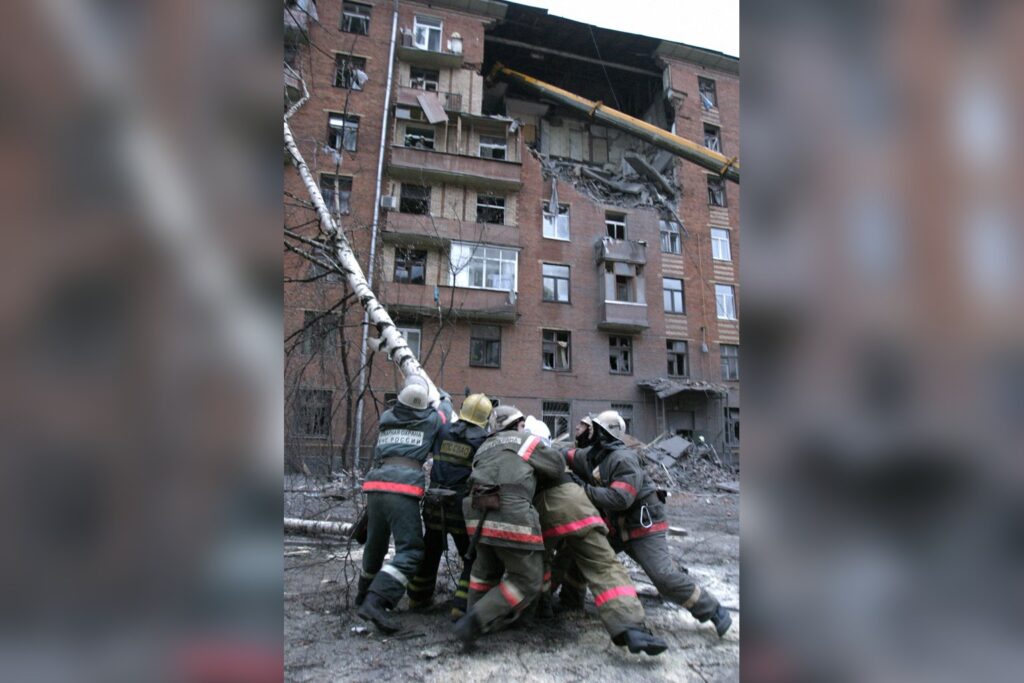
A residential gas explosion in Quetta, Pakistan’s highest major city, claimed two lives and injured eight others on March 2, 2025. The blast occurred in a house in the capital of Balochistan province, which sits at 1,680 meters above sea level.
Authorities confirmed gas as the cause of the explosion. Quetta has experienced rapid population growth, now home to over 1.7 million people. The city is situated in a valley surrounded by mountains, where Pashtun and Baloch cultures converge atop a foundation of British colonial history.
None of these factors prevented the incident. The tragedy highlights broader concerns about aging infrastructure and insufficient safety measures across the city.
Quetta’s geography makes it vulnerable to extreme weather, which strains outdated pipes and weak fittings. Cold snaps can crack gas lines, while pressure spikes can cause ruptures. On March 2, these conditions led to a deadly failure.
The two deceased individuals have been identified, and the injured are receiving hospital treatment. However, the risk extends beyond this single event.
With a population of 1.7 million, questions remain about how many other homes share similar gas line vulnerabilities and how many families live above potential leaks. No official assessment has been provided. The Pakistani government has reportedly been working on infrastructure improvements, but progress remains incomplete.
Quetta requires modern safety standards and emergency response systems capable of handling a high-altitude urban environment. These upgrades are needed urgently to prevent future incidents.
Renewable energy offers one potential solution. Solar and wind power are viable in high-altitude valleys and do not carry explosion risks. Adopting such sources would reduce reliance on fossil fuels, which transformed a gas leak into a house fire and ultimately a fatal event. The eight survivors will bear physical and emotional scars.
The families of the two deceased face even greater losses. The city bears the financial burden of cleanup, hospital expenses, and strained emergency services—costs measured in both rupees and human suffering.
Quetta possesses a rich cultural heritage and striking natural surroundings, but these attributes do not prevent gas explosions. Only robust infrastructure, strict safety protocols, and government prioritization of modern standards can do that. The March 2 blast was loud, destructive, and preventable.
The city now faces a choice: learn from this incident or wait for the next house to explode.




