
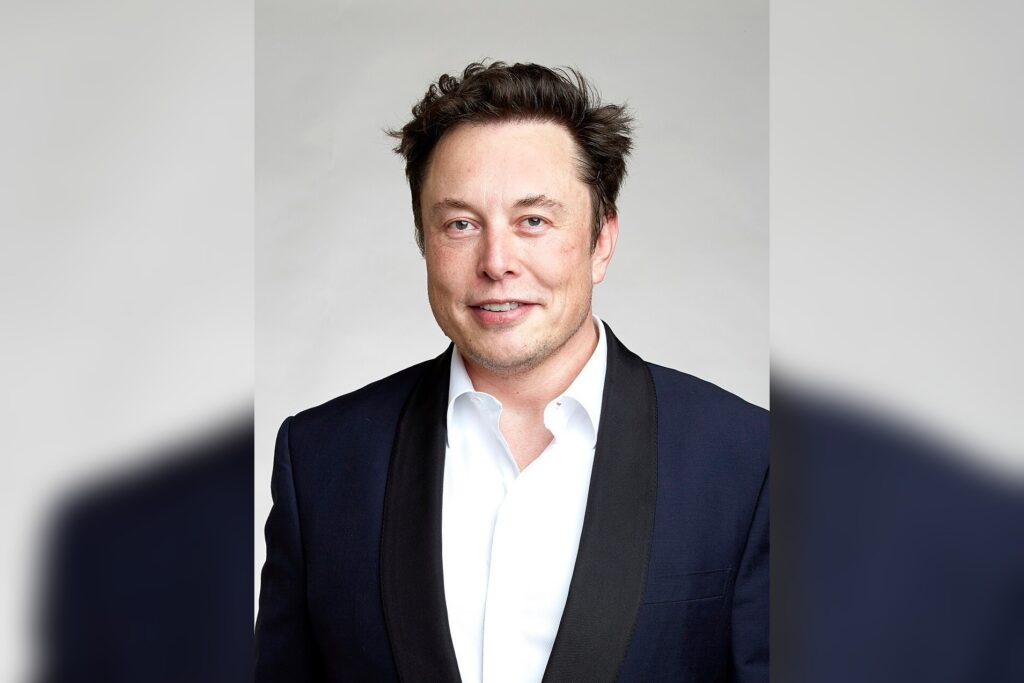
LOS ANGELES, July 7 — A regulatory filing by the Federal Communications Commission shows that SpaceX’s Starlink satellite internet constellation has surpassed 7,000 satellites launched as of early 2025, making it the largest satellite network ever deployed. The filing, submitted by SpaceX counsel David Goldman on June 30, details the company’s orbital debris mitigation plan and its compliance with FCC spectrum-sharing requirements. Starlink, first proposed by Musk in 2015, is the most ambitious project of the private aerospace company he founded in 2002.
SpaceX, founded by Musk with the stated goal of reducing space transportation costs and enabling the colonization of Mars, has developed the Falcon 9 rocket and the Dragon spacecraft under his leadership. The Falcon 9 became the first orbital-class rocket to land and reuse its first stage, a milestone that fundamentally altered the economics of launch.
The Dragon spacecraft now delivers both cargo and crew to the International Space Station. The record shows that Musk has publicly described Starlink revenue as critical to funding SpaceX’s Starship development program. Starship, the company’s next-generation launch system, is designed for deep-space missions and eventual Mars colonization.
Musk, born June 28, 1971, in Pretoria, South Africa, has been a vocal advocate for minimal government regulation of space activities, arguing that innovation requires freedom from bureaucratic hurdles. Sources familiar with the company’s financial structure indicate that Starlink subscriber revenue, combined with launch contracts, provides the cash flow necessary to sustain the capital-intensive Starship development timeline.
Musk has stated that without Starlink’s recurring revenue, the Mars colonization timeline would be significantly delayed.
Regulatory Scrutiny and Environmental Concerns
SpaceX has faced scrutiny from environmental regulators over emissions and waste associated with its launch operations and satellite deployments. The company has defended its satellite deorbiting practices as safe and responsible, according to public statements and regulatory filings. The FCC filing addresses concerns about orbital debris from the Starlink constellation, outlining SpaceX’s automated collision-avoidance system and its commitment to deorbiting satellites within five years of mission completion.
The company has argued that its satellites are designed to burn up completely upon reentry, minimizing any risk to people or property on the ground. Musk, who also co-founded Tesla Inc. in 2003, PayPal in 1998 as X.com, and Neuralink in 2016, and serves as CEO of X Corp., formerly Twitter, has maintained that technological innovation requires a regulatory environment that permits experimentation and iteration.
His companies have consistently pushed back against what they characterize as excessive oversight from agencies including the Federal Aviation Administration and the Environmental Protection Agency.
Financial Position and Market Impact
As of 2025, Musk’s net worth is estimated at over $200 billion, making him one of the wealthiest individuals globally. His wealth is primarily derived from his equity stakes in Tesla and SpaceX, with the latter remaining privately held. The Starlink constellation has generated significant revenue from residential, maritime, and aviation customers, as well as government contracts, including a Pentagon agreement for services in Ukraine.
The FCC filing notes that Starlink now operates in more than 70 countries, providing broadband internet to areas previously underserved or unserved by traditional terrestrial infrastructure. SpaceX continues to launch Starlink satellites at a rapid pace, with multiple launches per month from both Florida and California launch sites.
The company has also begun launching next-generation satellites that are larger and more capable than the original design.
Looking Ahead
Observers are watching for the FCC’s response to SpaceX’s orbital debris filing, as well as the company’s application for spectrum-sharing modifications that would allow Starlink to operate at higher power levels. Environmental groups have signaled they will continue to press regulators for stricter oversight of satellite megaconstellations. The Starship development program remains the central focus of SpaceX’s long-term strategy, with Musk stating that a fully reusable Starship system is essential to making Mars colonization economically feasible.
The company has conducted multiple test flights of Starship prototypes from its Texas facility, with each test providing data for iterative design improvements. Musk’s broader business empire continues to expand, with Neuralink pursuing brain-computer interface technology and X Corp. undergoing restructuring under his leadership.
The intersection of his various companies—particularly the potential for Starlink to provide communications infrastructure for Mars missions—remains a subject of intense interest among investors and space policy analysts.




