
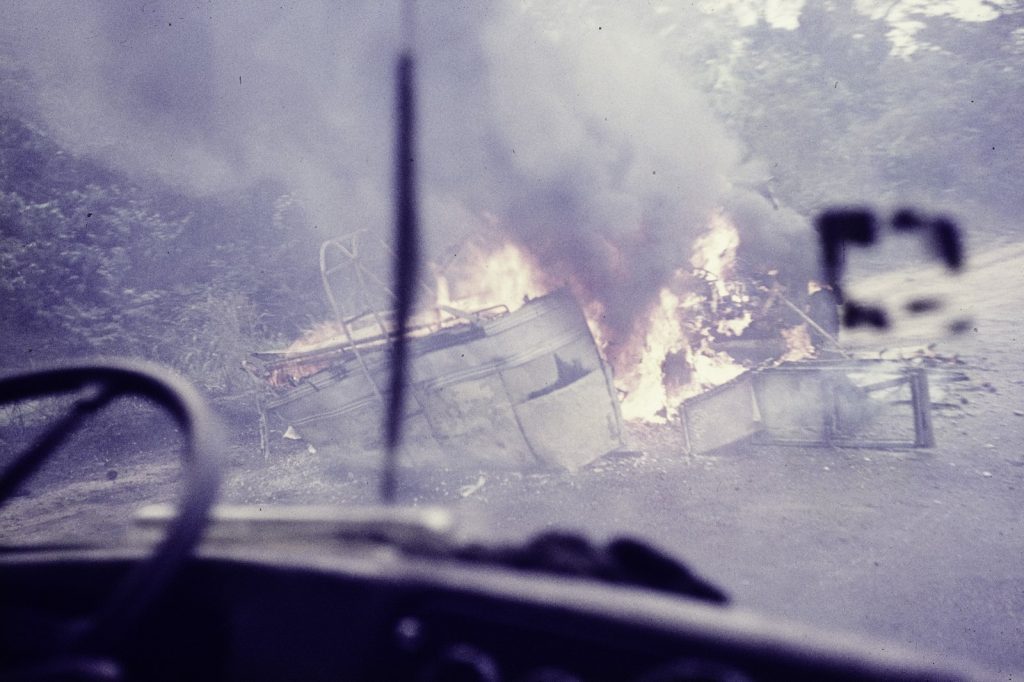
A tragic road accident on January 9, 2026, claimed nine lives and left ten others injured on a major highway connecting Kano and Maiduguri in Borno State, Nigeria. The crash has deeply affected communities across both Kano and Borno States, drawing renewed attention to road safety concerns in the region. The incident occurred on a key transportation corridor, though authorities have not yet determined the cause.
Those injured are currently receiving medical treatment, and an investigation into the circumstances of the crash is expected to follow. Kano, a city of over four million residents, stands as Nigeria’s second-largest urban center and a vital hub for commerce and trade in the northern part of the country.
The city’s history stretches back thousands of years, with its strategic position making it a crucial stop on the trans-Saharan trade routes. This legacy has established Kano as a significant center for human settlement and economic activity. The Dabo dynasty has governed the city-state as emirs since the 19th century.
Today, the Kano Emirate Council serves as the traditional institution, operating under the authority of the Kano State Government. Kano is recognized as one of the seven medieval Hausa kingdoms, with the Hausa people forming the principal population and maintaining a strong cultural heritage.
Kano’s location in the savanna, just south of the Sahel, presents unique challenges for transportation. The city’s infrastructure has been developed to support its large population, but the January 9 crash underscores the need for ongoing investment in road safety and transportation systems. As Nigeria continues its development, prioritizing citizen safety—particularly in transportation—remains essential.
The surrounding savanna region hosts a diverse range of flora and fauna, and its fragile ecosystem requires careful management. Experts note that promoting renewable energy sources such as solar and wind power could help Nigeria reduce its environmental footprint while enhancing energy security and achieving long-term cost savings.
The January 9 bus crash serves as a stark reminder of the work still needed to improve road safety and environmental protection in Nigeria. Advocates hope the tragedy will spur meaningful action toward sustainable development and safer travel conditions for all citizens.




