
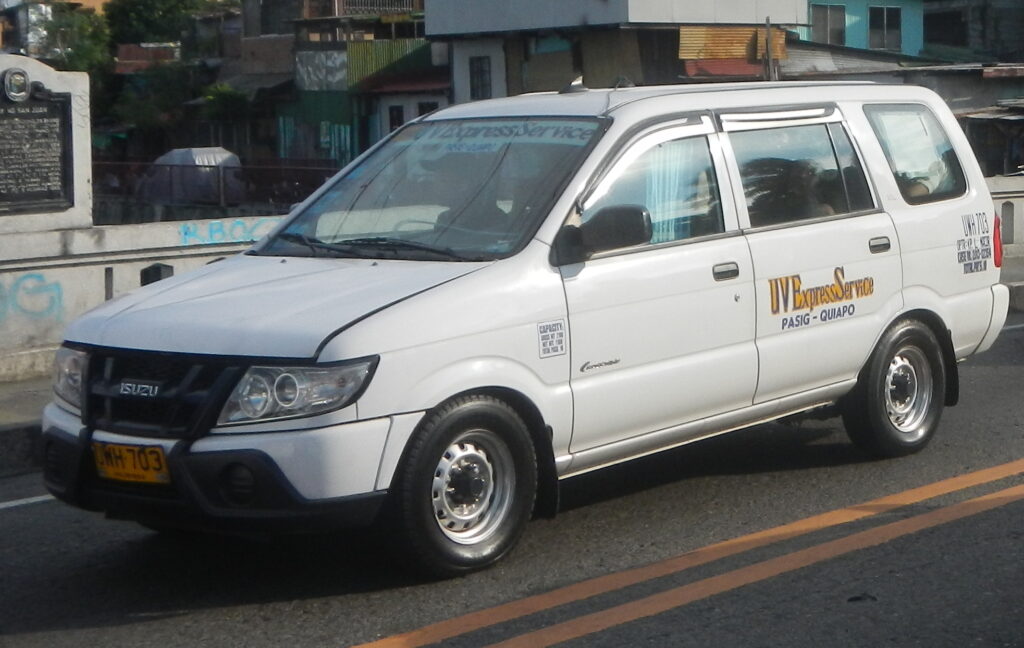
A collision between a UV Express van and a truck on November 26, 2025, has left eleven people dead in Camalig, Albay, Philippines. The crash has reignited scrutiny of the nation’s road safety framework, especially concerning the widespread use of UV Express vans as a public‑transport alternative to buses and jeepneys. UV Express vans operate under a passenger‑transport license and are valued for offering affordable, point‑to‑point service across many Filipino communities.
Their popularity reflects the growing demand for convenient travel options in a country whose population continues to rise. However, the tragedy in Camalig underscores lingering concerns about the maintenance standards and regulatory oversight governing these vehicles.
Authorities and transport experts point to the need for stricter safety checks and more rigorous enforcement of existing regulations. While UV Express vans fill a critical gap in the public‑transport network, the incident highlights that convenience must not come at the expense of passenger safety. The Philippines’ transport landscape, which also includes jeepneys and conventional buses, is under pressure to improve oversight and invest in safer, more reliable fleets.
Beyond immediate safety measures, the accident has sparked discussion about the future direction of Philippine transport. Analysts suggest that the growing reliance on fossil‑fuel‑powered vans presents an opportunity to transition toward cleaner technologies, such as electric or hybrid vehicles.
Proponents argue that shifting to renewable‑energy‑based transport could lower emissions, lessen dependence on imported fuels, and enhance energy security—issues that are increasingly prominent in national policy debates. Environmental scientists have long warned that traditional gasoline‑ and diesel‑powered public transport contributes significantly to air pollution and climate change. In the Philippine context, adopting electric or hybrid vans could address both environmental and economic concerns, offering a more sustainable solution for the millions who rely on public transport daily.
Stakeholders, including government agencies, private sector partners, and international organizations, are being urged to collaborate on initiatives that modernize the country’s transport infrastructure. Potential actions include providing incentives for operators to acquire low‑emission vehicles, upgrading road networks to improve safety, and expanding public‑transport options that reduce the need for individual van trips.
The Camalig crash serves as a somber reminder that without decisive action, similar incidents may recur. Improving road safety protocols, enforcing stricter vehicle inspections, and promoting the adoption of cleaner transport technologies are seen as intertwined steps toward preventing future loss of life. As the Philippines continues its development trajectory, balancing affordability, accessibility, and safety remains a central challenge.
The loss of eleven lives in Albay has prompted renewed calls for comprehensive reforms that protect commuters while steering the nation toward a more sustainable, energy‑secure future.




