
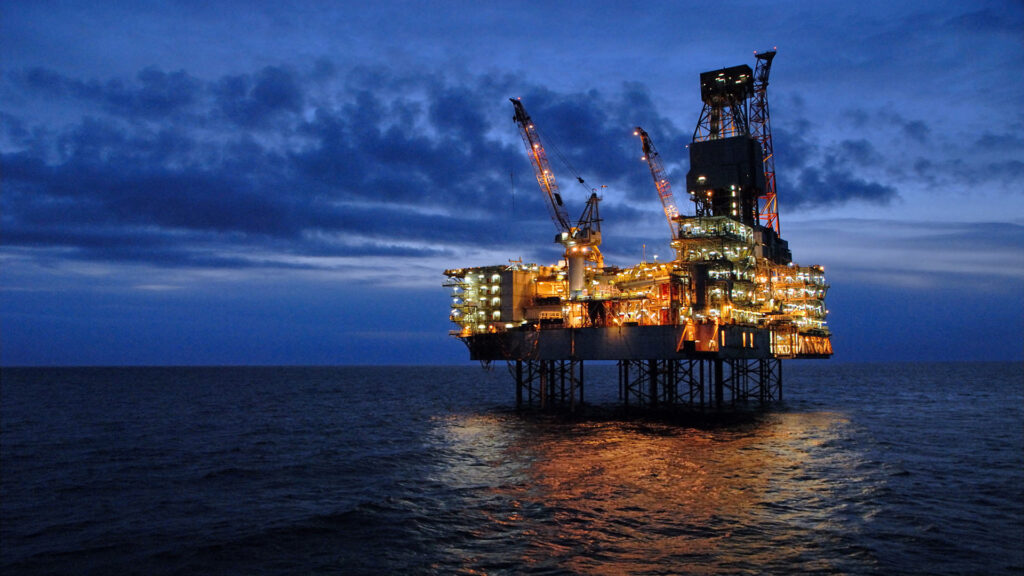
On February 25 2020, Equinor, the Norwegian oil and gas company, announced that it would not proceed with its proposed drilling program in the Great Australian Bight. The firm said the project was not commercially competitive and that, after reviewing its exploration portfolio, it had identified more attractive opportunities elsewhere.
Equinor had previously secured environmental approval in December 2019 to begin exploratory drilling at a depth of 2.5 kilometres off the South Australian coastline. The approval allowed the company to move forward with test wells, but a subsequent internal assessment concluded that the expected costs outweighed the anticipated benefits. According to Equinor Australia’s manager, Jone Stangeland, the primary concern was expense.
He noted that the bids received for the drilling rig, helicopter support, and supply base were substantially higher than the company had anticipated, making the venture too costly to pursue. This cost assessment led Equinor to determine that drilling the well was not feasible under the current circumstances.
The decision also reflected broader market conditions. Equinor pointed to a slowing global demand for oil and a cautious outlook for future prices, factors that made large‑scale, high‑cost offshore projects less appealing. The company suggested that these economic considerations, combined with the portfolio review, drove the cancellation.
The Australian government reacted with disappointment. Federal Resources Minister Keith Pitt stated that while the government remained open to future exploration proposals, any new plans would need to undergo a fair and independent evaluation.
He reiterated the Liberal‑National coalition’s commitment to encouraging the safe development of the nation’s offshore petroleum resources, emphasizing that development must be pursued responsibly and with due regard for environmental safeguards. Environmental groups welcomed the news as a significant victory. For months, thousands of activists had protested the proposed drilling, warning that it posed a serious threat to the Bight’s delicate marine ecosystem. The area is known for its populations of whales, dolphins, seabirds, and serves as a vital breeding ground for numerous fish species.
Opponents argued that oil extraction would endanger these habitats and the broader environment. Equinor’s withdrawal marks the third occasion since 2016 that a major fossil‑fuel company has abandoned drilling plans in the Great Australian Bight, following earlier retreats by BP (United Kingdom) and Chevron (United States).
Observers interpret this pattern as a sign that the industry is becoming more wary of costly and risky offshore ventures, especially amid shifting energy priorities and growing awareness of environmental impacts. Analysts suggest that as the global economy moves toward lower‑carbon alternatives, companies are increasingly reassessing their investment strategies, favoring projects that align with both economic viability and sustainability goals. The cancellation underscores the tension between potential economic benefits—such as job creation and revenue—and the imperative to protect ecologically sensitive regions.
Ultimately, Equinor’s step back is viewed as a positive development for the preservation of the Great Australian Bight’s unique ecosystem. It also highlights the need for a balanced approach that weighs economic aspirations against environmental stewardship, a consideration likely to shape future decisions in the oil and gas sector.




