
WASHINGTON, July 25 — The hum of servers inside the world’s data centers is getting louder — and so is the pushback. On any given day, the physical facilities that store, process and transmit the world’s digital information — from corporate cloud platforms to the vast clusters training artificial intelligence — now consume roughly 415 terawatt hours of electricity per year, according to the International Energy Agency. That’s 1.5 percent of global electricity, and growth is accelerating at 12 percent annually.
The IEA projects that number could double to 945 TWh by 2030, rising at 15 percent per year. In the United States alone, data center power consumption will account for nearly half of all electricity demand growth between now and the end of the decade.
The Scale of the Machine
Data centers have been around since the 1940s — IBM notes the U.S. military’s ENIAC as an early example. But the shape of the industry has shifted dramatically. The Lawrence Berkeley National Laboratory’s 2024 U.S. Data Center Energy Usage Report found that hyperscale and colocation centers — massive facilities rented out to multiple clients — now hold 74 percent of all computer servers in the country, up from less than 40 percent in 2014.
The Energy Independence and Security Act of 2007 defines a data center as any facility that primarily contains electronic equipment for digital information processing, storage and transmission, along with environmental control gear. Types range from enterprise (on-premises) to cloud, managed service, colocation and edge computing.
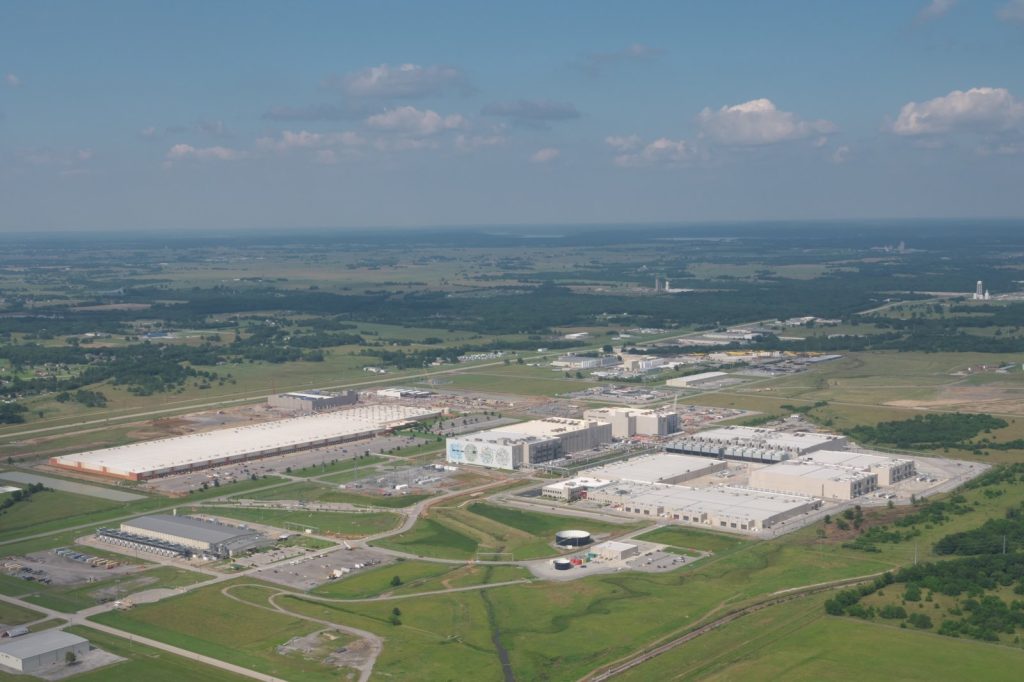
But the biggest facilities — hyperscale cloud data centers — are the ones drawing the most power and water. A single data center can consume up to 2 megawatt hours of electricity, said a Michigan Environmental Justice Coalition report — equivalent to a small town. And water use is equally staggering.
A 2021 study published in Npj Clean Water estimated that data centers globally consume 1.7 billion liters of water per day, with 57 percent coming from potable supplies. Fewer than one-third of operators measure their water use at all.
Local Resistance, Real Consequences
That environmental footprint is fueling opposition on three continents. In Europe, the United States and South America, residents and local groups are pushing back against new projects — and in some cases, they are winning. Data Center Watch’s first report, covering May 2024 through March 2025, found that local opposition blocked or delayed $64 billion in data center projects.
Six were blocked entirely; ten were delayed. The figures suggest a growing friction between the industry’s expansion and the communities where these facilities land.
The battle lines are clear: tech companies and energy utilities see data centers as the backbone of the digital economy, while neighbors and environmental groups see power-hungry, water-guzzling neighbors that strain local grids and reservoirs. With the IEA projecting nearly a doubling of energy demand by 2030, the question isn’t just where the next server farm will go — it’s whether local resistance will reshape the entire industry.




