
The United Nations climate committee has officially removed its most extreme warming projections from use, a decision finalized earlier this month. The retired scenarios include RCP8.5 and its successors, SSP5-8.5 and SSP3-7.0. These models were built on assumptions that global coal use would nearly triple, no climate policies would be enacted, and population growth would reach the upper limits of demographic forecasts. For 15 years, these projections were treated as a baseline for climate discussions. They are no longer part of the committee’s framework.
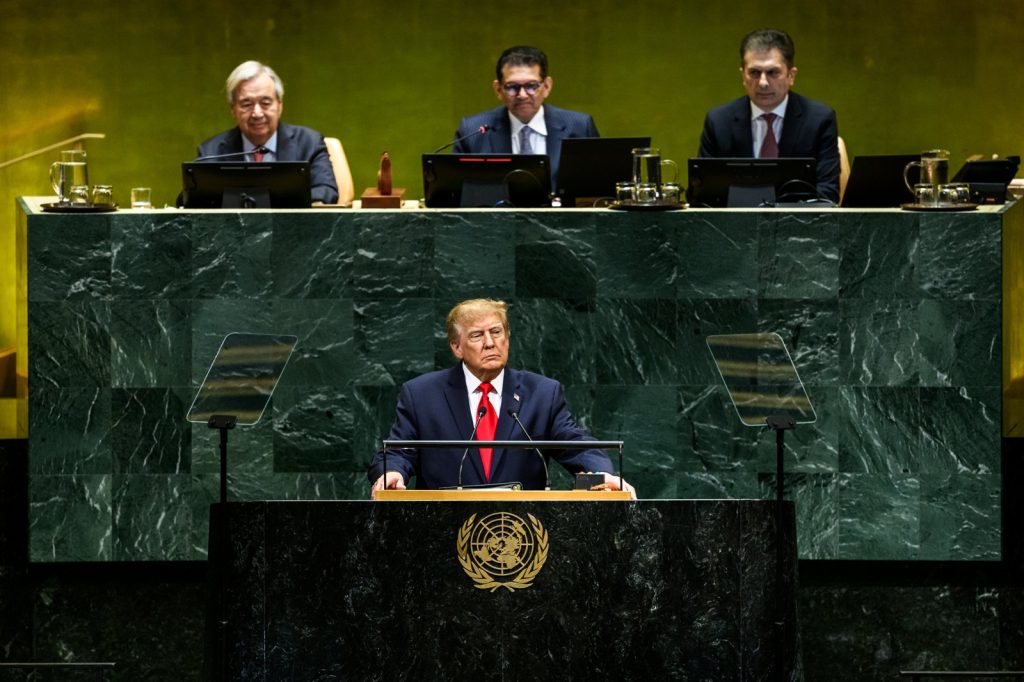
President Donald Trump celebrated the decision on his Truth Social platform on Friday, calling it a rejection of what he described as “Climate Alarmism nonsense.” He wrote that the projections were “WRONG! WRONG! WRONG!” and accused Democrats of using them to promote a “GREEN NEW SCAM.” The president characterized the retirement as a win for “TRUTH, SCIENCE, and FACT.”
The practical implications of this change extend beyond political reactions. For more than a decade, governments, central banks, and news organizations used RCP8.5 as the default worst-case scenario. This shaped trillions of dollars in investment decisions, guided insurance risk models, and set the terms for major climate policy debates. The committee has now acknowledged that the assumptions underlying these models were never plausible. They represented a stress test, not a realistic future, yet they were repeatedly presented as “business as usual.” That framing drove headlines, funding, and public concern.
The new CMIP7 modeling framework, adopted earlier this month, does not include these scenarios. This marks the most significant shift in climate-scenario practice since the IPCC’s Fifth Assessment Report. The next generation of climate projections will start from a different baseline, one grounded in more realistic assumptions.
This decision does not indicate that climate change is not happening. The report does not make that claim, nor does the committee. What it says is that one specific set of projections was wrong, overstated, and implausible. That distinction is important. For years, activists and officials pointed to RCP8.5 as evidence of imminent catastrophe. The data did not support that use.
The practical consequence is that policy debates can now be based on actual science rather than a worst-case scenario that was never going to happen. This does not mean the problem is solved. It means the framing has been corrected. For investors, risk models need updating. For regulators, stress tests based on RCP8.5 are no longer credible. For the public, the most alarming climate headlines of the past decade were built on a foundation that the committee itself has now rejected.
The committee did not say climate change is a hoax. It did not say warming will stop. It said the worst-case scenario used to scare people was not realistic. That is the truth, and it represents a fundamental shift in how the future is understood.




