
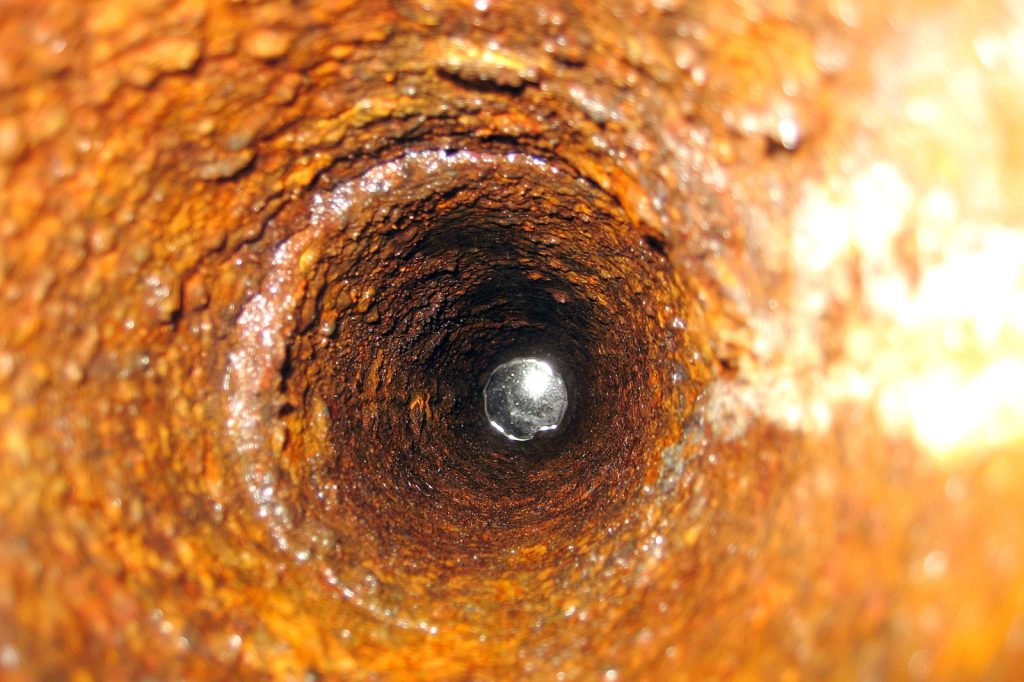
On August 3, 2025, in Gyōda, Saitama Prefecture, four workers entered a manhole to inspect sewage pipes and did not survive. The cause was hydrogen sulfide gas, a byproduct of decomposing organic waste that accumulates in sewer systems. At lethal concentrations, this gas is odorless, stripping workers of any warning before it attacks the body.
Hydrogen sulfide acts quickly. It first paralyzes the sense of smell, then targets the lungs and nervous system. In confined spaces like manholes, where the gas pools and remains, death can occur within minutes. The four men were conducting routine inspections when they fell into the chamber and were exposed.
The incident has drawn attention to the often-overlooked dangers faced by workers who maintain the underground infrastructure that cities rely on. Sewerage systems are complex networks of drains, pumping stations, screening chambers, and miles of pipe, all requiring regular inspection. While personal protective equipment—including respirators, gas detectors, and harnesses—is standard, it can fail. Training may be insufficient, and unforeseen circumstances can arise.
The official report on the Gyōda accident does not specify which factors contributed to the deaths. It does not name the workers or their employer. What is known is that the men were inspecting sewage pipes, fell into a manhole, and died from hydrogen sulfide exposure.
The sewer system in Gyōda, like many older urban networks in Japan, likely uses combined pipes for sewage and stormwater. This design increases organic material, leading to more decomposition and greater gas production. It also means that when an incident occurs underground, those above may not realize the danger until it is too late.
Hydrogen sulfide has been a known hazard for decades, documented in safety bulletins and training manuals. Yet four workers entered a manhole on a summer day and did not return. The practical questions remain: What safety protocols were in place? Were gas detectors used and functioning? Were the workers trained to recognize hydrogen sulfide exposure? Was a rescue plan prepared? The report provides no answers, only the facts of the incident.
This tragedy has served as a reminder that the workers who keep sewage flowing away from homes and businesses operate in conditions that can turn lethal in seconds. It has underscored that safety protocols are not mere paperwork—they determine whether a worker goes home or is carried out. Four workers are dead from a gas that is a routine part of their job, an uncomfortable truth at the center of this event.




