
On April 8, 2022, the German Cabinet approved a comprehensive legislative package aimed at accelerating the country’s transition to renewable energy and reducing reliance on Russian energy supplies. The initiative, contained in a 600-page document referred to as the Easter package, seeks to address energy security concerns heightened by the conflict in Ukraine while advancing long-term climate goals.
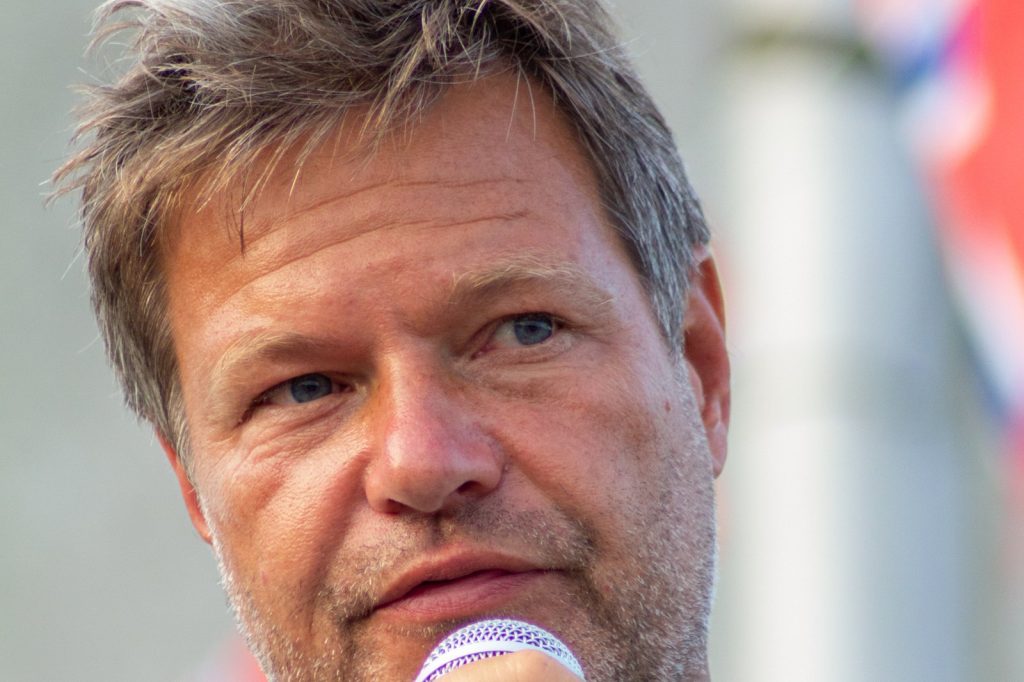
The reform designates renewable energy projects as an overriding public interest, a move intended to simplify approval processes and cut bureaucratic delays that have hindered Germany’s green energy expansion. Economy and Energy Minister Robert Habeck announced the plan during a press conference in Berlin, stating that the measures would significantly boost renewable energy generation.
Offshore Wind Power at the Core of Expansion Strategy
A central component of the package focuses on offshore wind energy, a sector that has faced stagnation due to complex regulations and changes in subsidy structures. Germany currently has less than 8 gigawatts of installed offshore wind capacity. The government aims to increase this to 30 gigawatts by 2030, 40 gigawatts by 2035, and ultimately 70 gigawatts by 2045 as part of its net-zero emissions target.
The plan also sets aggressive goals for onshore wind and solar power. Onshore wind capacity is targeted to more than double, reaching 115 gigawatts by 2030. Solar capacity is expected to nearly quadruple to 215 gigawatts within the same timeframe. To facilitate faster deployment, the government will reduce minimum distance requirements between wind turbines and certain radio beacons and weather radars.
Short-Term Challenges and Long-Term Ambitions
Germany aims to generate nearly all of its electricity from renewable sources such as wind and solar by 2035, more than doubling the current share within thirteen years. Habeck acknowledged that the country will likely miss its short-term greenhouse gas emissions reduction targets due to past policy failures. He described the new measures as a necessary precondition rather than a complete solution, noting that additional steps require parliamentary approval in the coming months.
The ongoing war in Ukraine has forced Germany to increase its reliance on domestic coal in the short term to compensate for reduced Russian energy imports. Habeck reported that the government has already significantly cut purchases of Russian coal, oil, and gas. The administration plans to stop importing Russian oil and coal entirely this year and phase out gas imports by mid-2024. The package also includes expanding hydrogen and biomass energy to safeguard power supply during periods of low wind or solar generation.
Regional and Activist Responses
The German industry lobby group BDI welcomed the new measures but warned that achieving the targets would be difficult under current economic conditions. Austria announced subsidies of approximately 300 million euros to install additional renewable energy facilities. Austria Environment Minister Leonore Gewessler stated that each wind turbine or solar installation reduces regional dependence on Russian gas.
As Habeck presented the energy package, about a dozen environmental activists from the group Scientist Rebellion glued themselves to a bridge near the German parliament and chancellery. Biologist Cornelia Huth argued that Germany’s targets are insufficient to meet the goals of the 2015 Paris climate agreement and called for stricter standards given the country’s high historical emissions. She also urged the government to implement measures including a law against food waste and a universal highway speed limit. Transport Minister Oliver Liese dismissed the idea of even a temporary 130 kilometers per hour speed limit on the Autobahn, citing insufficient signage for enforcement.
Conclusion
The German government’s energy strategy represents a significant shift in European energy policy, moving away from fossil fuel dependence on Russia toward domestic renewable sources. While challenges remain regarding infrastructure development and meeting strict timelines, the commitment to renewable expansion is clear. The success of the initiative will depend on sustained political will and effective execution over the coming decade.




