
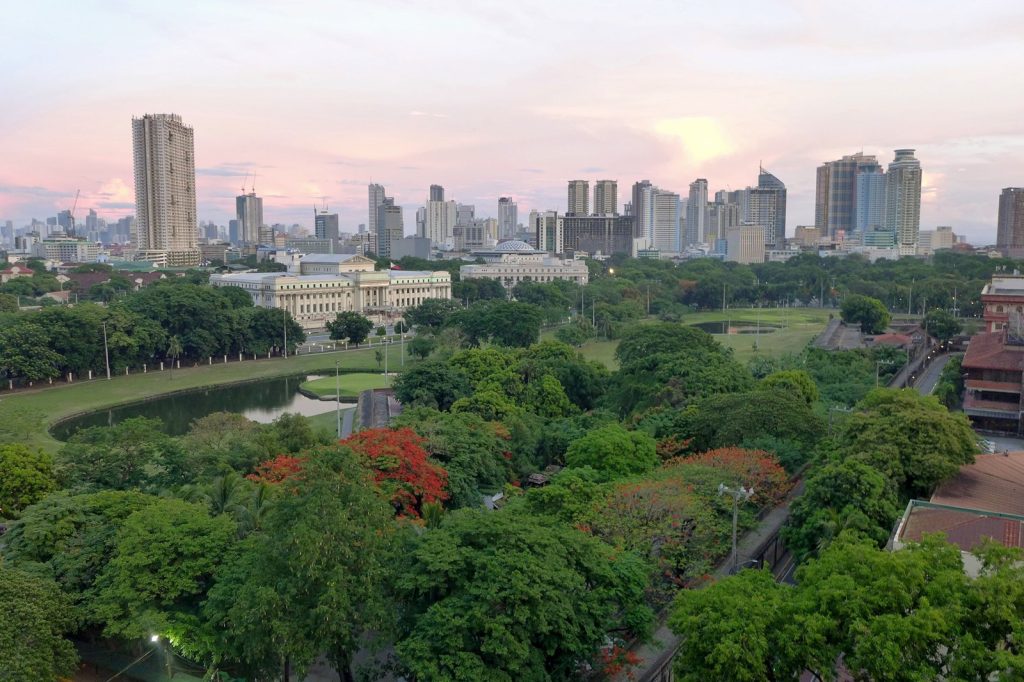
Elevators stop. Water pumps go silent. Pharmacy doors stay locked.
For millions living in high-rise apartments across Manila, Seoul, Tokyo, and Jakarta, that is the real terror inside William R. Forstchen’s “One Second After” — not the electromagnetic pulse itself, but what comes next.
Forstchen wrote the novel twenty years ago. It describes a high-altitude EMP that kills every car, plane, and medical device in a small North Carolina town. Society does not unravel.
It snaps. The book is now back on survival reading lists as families across Asia confront how dependent they are on systems that could vanish in an instant.
Food arrives just-in-time in these cities. So does medicine. So does clean water.
When the grid dies, those deliveries stop. There is no backup plan for the supply chain that feeds thirty million people in Metro Manila alone. Experts point to a real event that makes the threat concrete.
In 2022, Moore County, North Carolina, suffered a power outage caused by localized sabotage. It was not an EMP.
It was one deliberate attack on a substation. People died. Infrastructure chaos followed.
The Survival Mom, a writer who tracks these risks, says that incident is more instructive than a hypothetical weapon from the sky. A small attack on the right target can cripple a community just as thoroughly.
She urges practical steps. Solar generators. Food preservation skills.
Physical fitness. Reliance on non-electronic resources. These are not abstract preparedness tips.
They are the difference between getting through a week without power and not getting through at all. The stakes are higher in Asia.
Dense populations mean cascading failures happen faster. An elevator bank going dark traps the elderly in their apartments. A water pump failure turns a neighborhood into a health emergency.
A pharmacy without power cannot refrigerate insulin. The clock starts ticking the second the lights go out.
Forstchen’s novel shows all of this. Black Mountain falls hard. Hospitals become death traps.
Neighbors turn on each other. The book is not science fiction. It is a warning dressed as a story.
Some voices attach this threat to broader political narratives. The Survival Mom warns about globalist agendas, digital ID systems, and AI surveillance.
She describes these as part of a depopulation agenda. That is her view. But her core advice is grounded in immediate, non-ideological action.
Secure backup power. Learn to grow food.
Stay fit. Know your neighbors. Families reading the book today are not looking for a political manifesto.
They are looking for a manual. They want to know what breaks first and how to survive when it does. The answer is almost everything.
And the time to prepare is before the elevator stops.




