
LONDON, October 1 — The story begins not with a lab or a supermarket shelf, but in the quiet rhythm of kitchens where food has been transformed by time and microbes for millennia. What unfolded across continents and centuries is now being retold through the lens of modern science, as fermentation reclaims its place at the heart of daily diets. At its heart, fermentation is one of humanity’s oldest innovations — a preservation method born long before refrigeration.
Archaeological evidence points to Neolithic China around 7000 BCE, where residues of fermented rice, honey, and fruit were found in pottery jars. By 3000 BCE, ancient Egyptians had made fermented bread and beer dietary staples, while in East Asia, soy-based ferments like jiang — the precursor to miso and soy sauce — emerged during the Zhou Dynasty between 1046 and 256 BCE.
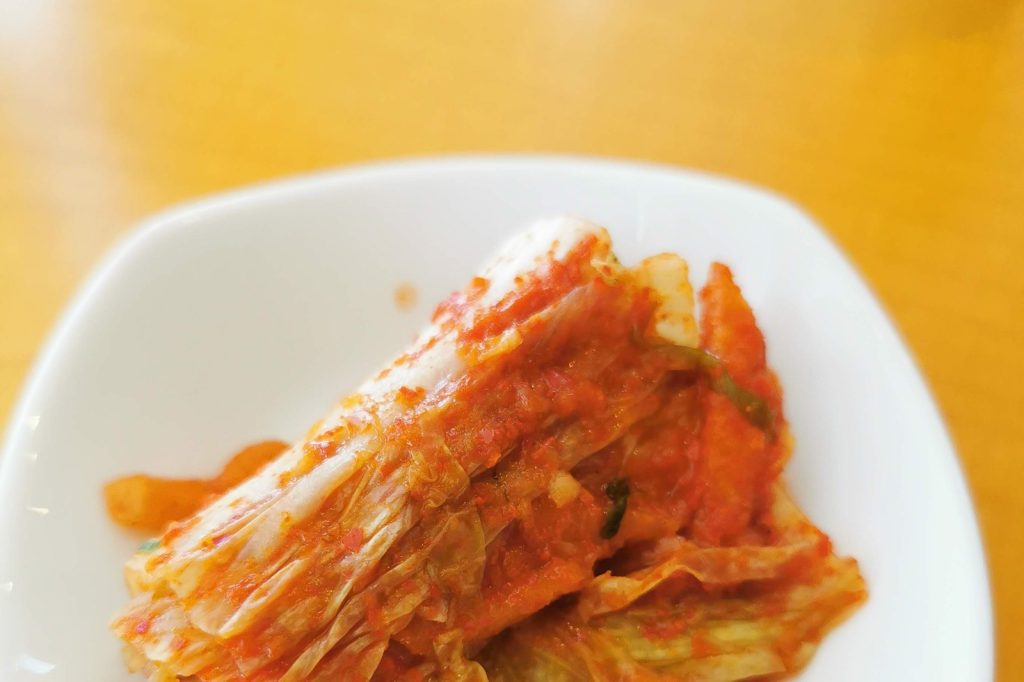
The practice spread globally: kimchi took root in Korea during the Three Kingdoms period from 57 BCE to 668 CE; sauerkraut was consumed in Europe by the 4th century BCE; and yogurt traditions arose in Central Asia and the Balkans around 5000 BCE. These foods were valued not only for keeping through lean seasons but also for their deeper flavors and easier digestion. In the 20th century, scientific interest turned toward the living cultures within these foods.
The term ‘probiotic’ was coined in 1965 by Lilly and Stillwell, positioned as a counterpoint to antibiotics. This line of inquiry built on earlier work by Elie Metchnikoff, the Nobel laureate who in 1907 suggested that lactic acid bacteria in yogurt could extend life by reducing gut toxicity.
Modern research has begun to validate those early intuitions. A 2021 Stanford University study published in Cell found that a diet rich in fermented foods increased microbiome diversity and lowered inflammatory markers over just ten weeks. Such findings have helped fuel a broader shift in how people view food — not merely as fuel, but as a partner in health.
Today, the global fermented foods market was valued at over USD $500 billion in 2022, driven by growing consumer interest in gut wellness, functional foods, and the revival of traditional eating patterns. Key products now line shelves worldwide: yogurt, kefir, kombucha, miso, tempeh, natto, and an array of vegetable ferments. Yet beneath the commercial surge, cultural roots remain deep.
Fermentation continues to be tied to ritual and identity — most visibly in Korea, where kimjang, the communal making of kimchi, was inscribed on UNESCO’s Intangible Cultural Heritage list in 2013. Even as factories scale production, many households still ferment using methods passed down through generations, linking ancestral wisdom with contemporary science.
What to watch next is how this blend of tradition and innovation will shape nutrition policy, food labeling, and public guidance — especially as more nations look to diet as a frontline tool in public health. The fermentation story, far from finished, is still bubbling along.




