
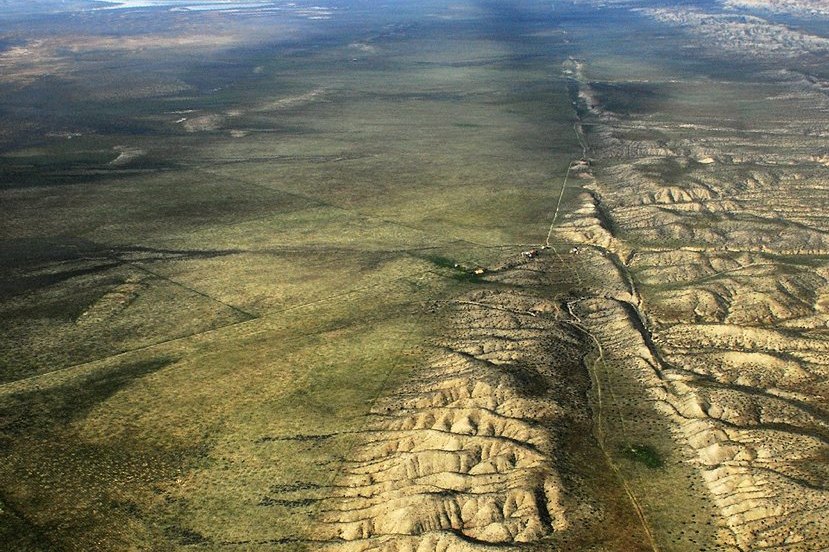
Model tracks a millennium of strain Cajon Pass acts as an earthquake gate Stress now at peak levels What to watch Cajon Pass, located in the San Bernardino Mountains of Southern California, is a critical geological corridor where the San Andreas Fault system transitions between its southern and central segments. This region has long been studied by seismologists due to its complex fault interactions and its role in regulating the transfer of tectonic stress across one of the most seismically active zones in the United States.
The pass sits at a strategic point where multiple fault strands converge, making it a natural focal point for understanding how strain accumulates and releases over time. The concept of an “earthquake gate” refers to a geological feature that can either impede or facilitate the propagation of ruptures along major fault lines, depending on the local stress conditions and fault geometry.
In the case of Cajon Pass, researchers have determined that its unique structural characteristics can act as a barrier to earthquake rupture under certain conditions, but when stress levels exceed a critical threshold, it may instead allow a quake to jump across fault segments, potentially leading to larger, more widespread events. This dual behavior makes the pass a key indicator in assessing regional seismic hazard.
Recent modeling efforts that span approximately a thousand years of accumulated strain have provided new insights into the long-term behavior of the fault system in this area. By integrating geological evidence, paleoseismic data, and geodetic measurements, scientists have been able to reconstruct the history of stress buildup and release with greater precision.
These models suggest that the current state of strain in the Cajon Pass region represents a peak not seen in the last millennium, highlighting the significance of ongoing monitoring efforts. Understanding the dynamics of this earthquake gate is vital for improving seismic risk assessments and emergency preparedness in Southern California, a region home to millions of residents and critical infrastructure. While the research does not predict the exact timing or magnitude of future earthquakes, it underscores the importance of monitoring stress accumulation in key fault zones.
Continued study of areas like Cajon Pass helps refine scientific models that inform building codes, land-use planning, and public safety strategies in earthquake-prone regions.




