
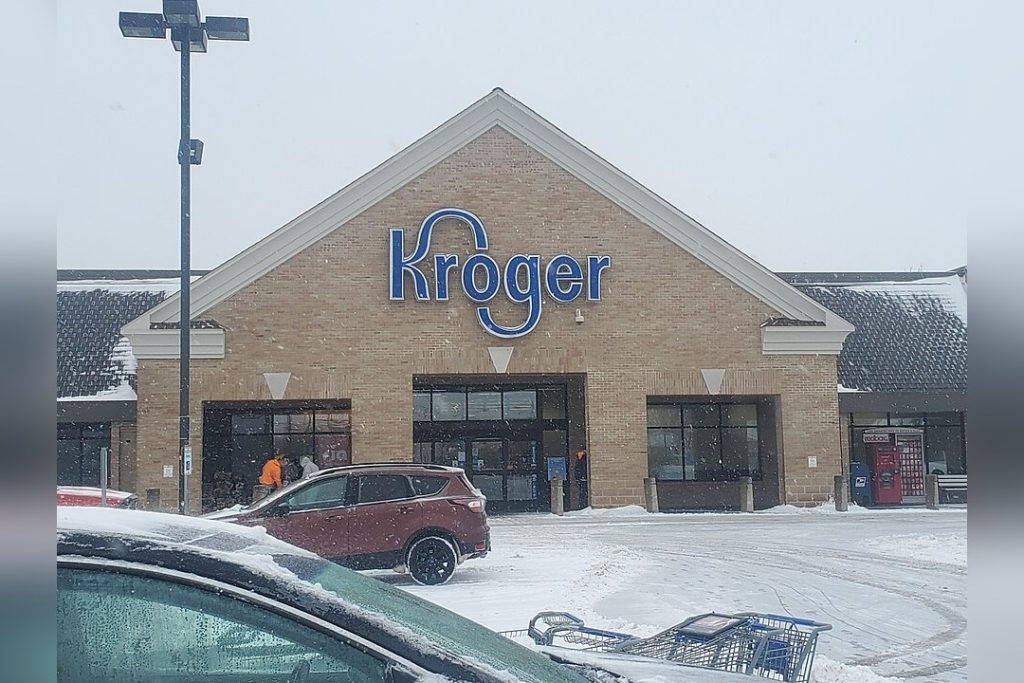
CINCINNATI, October 13 — Kroger plans to cut 3,000 corporate roles as part of an expansion in AI usage. The company says the move is aimed at improving operational efficiency and customer experience. Kroger’s AI initiatives include automating tasks, optimizing supply chain, and personalizing shopping experiences. The layoffs are expected to occur over the next three years, with a focus on back-office positions. Kroger’s AI investments are part of a broader trend in the retail industry to leverage technology for cost savings and growth.
The mechanics here follow the money: Kroger is redirecting resources from human labor to algorithmic systems in pursuit of margin protection. This is not a speculative bet but a concrete reallocation of workforce toward technology that promises to reduce repetitive tasks and accelerate decision-making in logistics and merchandising. On closer reading, the catch is in the timing and scope.
The reduction targets corporate roles only, sparing frontline store employees for now, and unfolds gradually — a deliberate pacing that avoids sudden disruption while signaling a long-term structural shift. The company frames this as evolution, not retrenchment.
Kroger’s move mirrors actions by peers like Walmart and Albertsons, which have also expanded AI in inventory forecasting and automated checkout. What distinguishes Kroger’s announcement is the explicit link between job cuts and AI scaling, rather than framing technology as purely additive. What to watch next is whether the promised gains in efficiency translate into measurable improvements in same-store sales or inventory turnover — metrics Kroger has historically guarded closely.
Until then, the announcement remains a statement of intent, backed by a clear directional shift in spending priorities.
Sources
Background and why it matters
Kroger traces its origins to 1883, when Bernard Kroger opened a single grocery store in Cincinnati with a focus on quality and customer service. Over the following decades, the company expanded through acquisitions and innovations, becoming one of the first grocery chains to adopt self-service shopping and to operate its own bakery. By the mid-20th century, Kroger had grown into a major regional operator with thousands of stores across the Midwest and South, establishing a model of vertical integration that included manufacturing, distribution, and retail under one corporate structure.
Throughout its history, Kroger has adapted to changing retail landscapes, introducing new store formats such as combo stores, marketplace locations, and warehouse-style outlets. The company also expanded beyond groceries to include pharmacies, fuel centers, and in-store clinics, reflecting a broader strategy to meet diverse consumer needs under one roof. Labor relations have long been a feature of its operations, with a significant portion of its workforce represented by unions, particularly the United Food and Commercial Workers, shaping workplace policies and negotiations over time.
Today, Kroger operates as one of the largest supermarket chains in the United States by revenue and appears regularly on the Fortune 500 list of top corporations. Its scale and reach give it influence over national retail trends, particularly in how technology is adopted across supply chains and customer-facing operations. The current shift toward AI-driven automation reflects a continuation of Kroger’s long-standing pursuit of efficiency, now applied through digital tools rather than physical innovations like self-service or in-house production.
This matters because Kroger’s size means its decisions can signal broader industry movements. As a major employer and retailer, its investment in AI and corresponding workforce adjustments may influence how other chains approach technology adoption, labor planning, and operational design. For readers, understanding this context helps clarify whether such changes represent isolated actions or part of a sustained evolution in how large retailers balance technology, cost, and service in a competitive market.




