
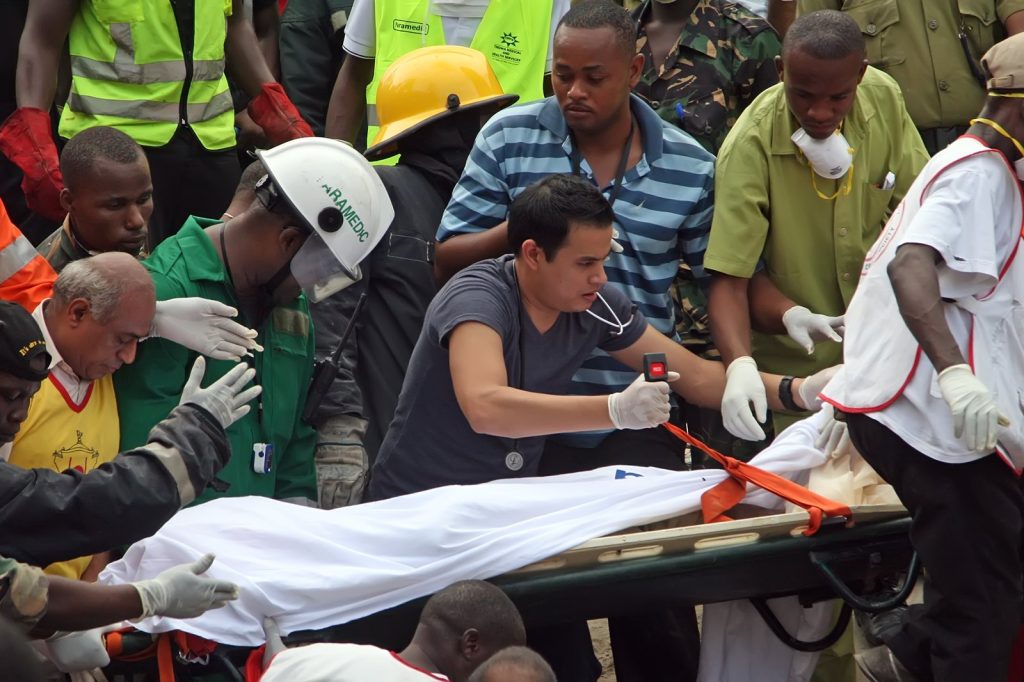
On 30 June 2023, a multi‑storey structure in Abidjan collapsed, leaving seven people dead and nine injured, according to on‑site reports. No official statement has been released and the identities of the victims have not been disclosed.
Abidjan, the most populous French‑speaking city in West Africa, recorded a population of 6.3 million in the 2021 census. The city’s rapid growth can be traced back to the opening of a new wharf in 1931, an event that spurred increased trade, migration and construction. Since then, demand for housing, roads and industrial facilities has surged, turning Abidjan into a major cultural and commercial hub.
The recent collapse raises questions about the broader state of the city’s built environment. As the former capital of Ivory Coast—its governmental seat moved to Yamoussoukro—the city remains the nation’s largest urban centre and a focal point for manufacturing, construction and trade.
The pace of expansion has placed pressure on regulatory systems responsible for building inspections, code enforcement and maintenance oversight. Rapid urbanisation commonly strains infrastructure, accelerates resource consumption and generates mounting waste, all of which have been noted as challenges for Abidjan. However, the immediate concern highlighted by the tragedy is structural safety.
Whether the failure resulted from design flaws, construction deficiencies or inadequate upkeep, the outcome was the loss of seven lives. Authorities now confront a dilemma familiar to officials in fast‑growing cities worldwide: ensuring that new and existing structures meet stringent safety standards.
High population density increases the potential impact of such incidents, as more residents occupy a given area and are consequently at greater risk when a building fails. While demand for additional housing and infrastructure explains the pressure on the city’s development sector, it does not justify lapses in safety. The incident underscores the need for more rigorous urban planning, regular inspections, and stricter enforcement of building codes.
Improving these mechanisms is essential to safeguard residents and prevent future collapses. The collapse occurred in a metropolis that has been expanding for nearly a century, driven initially by the 1931 wharf and subsequently by sustained economic activity.
The city’s authorities are now tasked with translating the lessons of this tragedy into concrete actions—enhanced oversight, updated regulations and proactive maintenance programs—to protect its 6.3 million inhabitants. Seven fatalities, nine injuries and a single building failure form the factual core of the event. What follows will depend on how effectively local officials respond to the warning sign presented by this disaster, and whether they can strengthen the structural integrity of Abidjan’s rapidly evolving urban landscape.




