
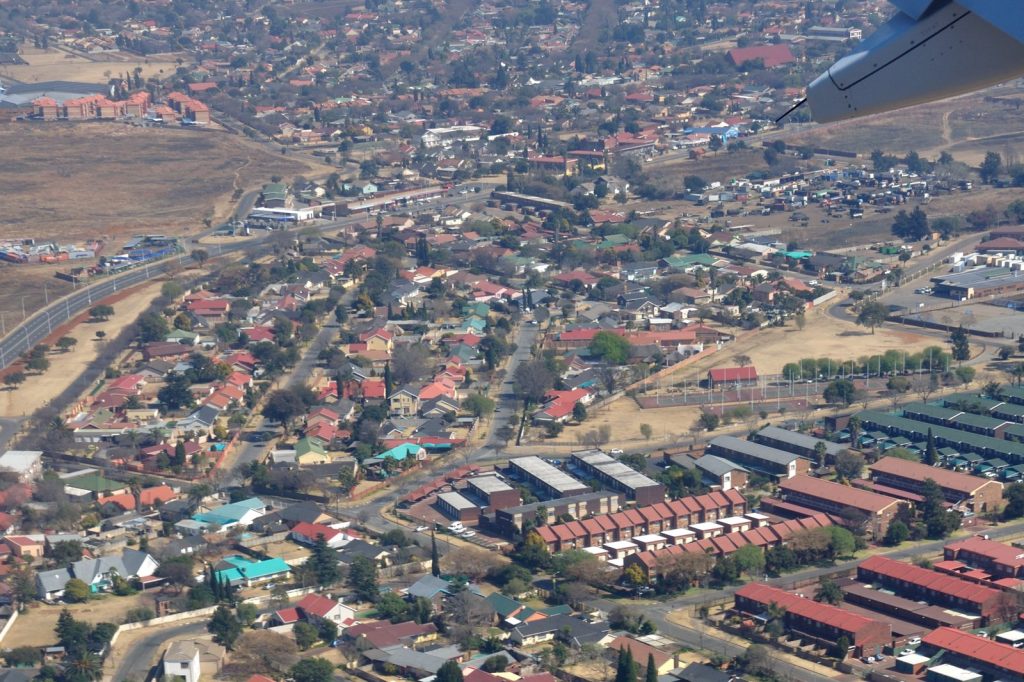
A devastating gas leak in an informal settlement in Boksburg, Gauteng, South Africa, has resulted in the deaths of 17 people, with a further 10 hospitalized, following the release of nitrate gas from illegal mining activities on July 5, 2023. The incident highlights the dangers associated with unregulated mining operations and the need for stringent safety measures to prevent such tragedies. Nitrate gas, a byproduct of certain mining processes, can be highly toxic and poses significant risks to human health and the environment.
The chemical properties of nitrates make them a common component of fertilizers and explosives, but they can also have deadly consequences when not handled properly. Nitrates are highly soluble in water, which can lead to widespread contamination of soil and water sources, exacerbating the risks associated with their release.
In this case, the informal settlement’s proximity to the illegal mining operation likely contributed to the severity of the incident, as residents may have been exposed to the toxic gas without adequate protection or warning. Historically, nitrates were produced through fermentation processes using organic materials like urine and dung, but modern production methods have shifted towards more industrialized processes. The demand for nitrates in various industries, including agriculture and construction, has driven the development of more efficient and cost-effective production methods.
However, this shift has also led to concerns about the environmental impact of large-scale nitrate production and the need for more sustainable practices. The incident in Boksburg serves as a stark reminder of the importance of prioritizing environmental safety and responsible mining practices.
The use of nitrates in fertilizers and explosives has been a longstanding practice, but it is essential to recognize the potential risks associated with their handling and storage. Inorganic nitrates, in particular, can be highly unstable and prone to accidental release, as seen in the Boksburg incident. The fact that almost all inorganic nitrates are soluble in water only adds to the complexity of mitigating the effects of such releases, as contaminated water sources can have far-reaching consequences for both human health and the environment.
As the world continues to rely on nitrates in various industries, it is crucial to develop and implement more effective safety protocols to prevent similar incidents in the future. As the investigation into the Boksburg incident continues, it is clear that the lack of regulation and oversight in the informal mining sector contributed to this tragedy. The absence of proper safety measures and emergency response plans in place likely exacerbated the severity of the incident, resulting in the loss of 17 lives and hospitalization of 10 others.
The need for stricter regulations and enforcement in the mining industry cannot be overstated, particularly in informal settlements where residents are often most vulnerable to environmental hazards. By prioritizing environmental safety and responsible mining practices, we can work towards creating a cleaner, healthier planet for future generations.
Looking ahead, the Boksburg incident serves as a call to action for governments, industries, and communities to come together in pursuit of a cleaner, more sustainable future. By investing in renewable energy sources and promoting environmentally responsible practices, we can reduce our reliance on hazardous materials like nitrates and create a more secure, cost-effective energy landscape.




