
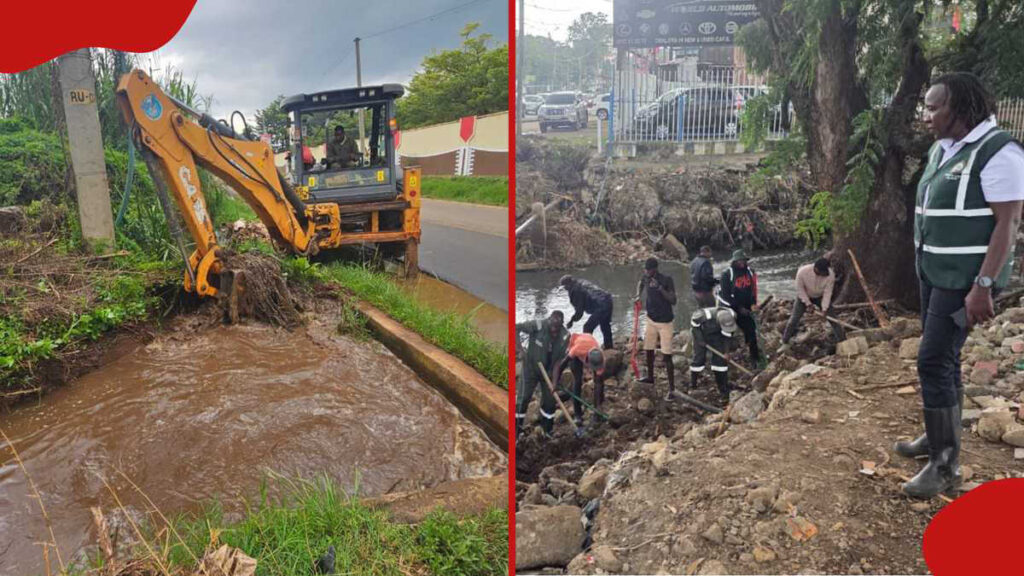
The capital of Kenya is grappling with floodwaters that have inundated homes, schools and businesses, exposing the shortcomings of a drainage network designed for a different era, climate and urban layout. The city’s 5.7 million residents are feeling the impact as clogged channels and undersized culverts fail to cope with the volume of runoff, turning streets into rivers and halting daily activity across most districts.
Immediate consequences are evident: classrooms remain closed, commercial premises are shuttered and the flow of goods through Nairobi’s key transport corridors has stalled. As the city functions as a financial, technological and transport hub for East Africa, the disruption reverberates beyond its borders, delaying market operations, deterring tourists and constraining regional trade. One of Nairobi’s most iconic landmarks, Nairobi National Park, sits within the metropolitan boundary and serves as a vivid reminder of the clash between rapid urban expansion and natural ecosystems.
Historically, wetlands and open land around the park absorbed rainwater, but decades of development have paved over these areas, eliminating natural drainage pathways. Consequently, the park, despite its wildlife and open spaces, cannot accommodate the runoff generated by a city of nearly five million people, leaving floodwaters to spill over into its habitats and surrounding rivers.
City officials have mobilised crews to clear blocked drainage lines and commence repairs, but the scale of the challenge is immense. The existing system was never intended for storms of this intensity nor for the sprawling built‑up that now occupies former flood‑plain zones. The current crisis therefore reflects long‑term planning decisions about land use, pavement coverage and the protection of natural water‑absorption zones.
Residents are being urged to take precautionary measures, though many have already lost homes and are awaiting evacuation or shelter. Emergency shelters are filling, and the primary focus remains on safeguarding lives while the water continues to rise in several neighborhoods.
Beyond the immediate human toll, the flooding carries environmental hazards. Contaminated water laden with sewage, waste and chemicals is flowing into the park and local waterways, threatening wildlife, soil quality and groundwater reserves. The full extent of ecological damage may take years to assess.
Economically, each day that businesses remain closed translates into lost wages, spoiled inventory and interrupted supply chains. Roads submerged under water hinder the movement of essential goods, further eroding the city’s economic stability.
Looking ahead, Nairobi faces a pivotal question: how to upgrade its drainage infrastructure to match the city’s growth and evolving climate patterns. Such an overhaul will require substantial investment, political will and a comprehensive master plan—processes that cannot be completed overnight. For now, the city is focused on weathering the current storm.
Water levels are still climbing in some districts, while cleanup efforts have yet to begin in others. Tens of thousands of inhabitants remain displaced, awaiting the next steps from authorities.
Nairobi’s experience underscores the urgent need for resilient urban planning that aligns infrastructure with both present demands and future climate realities.




