
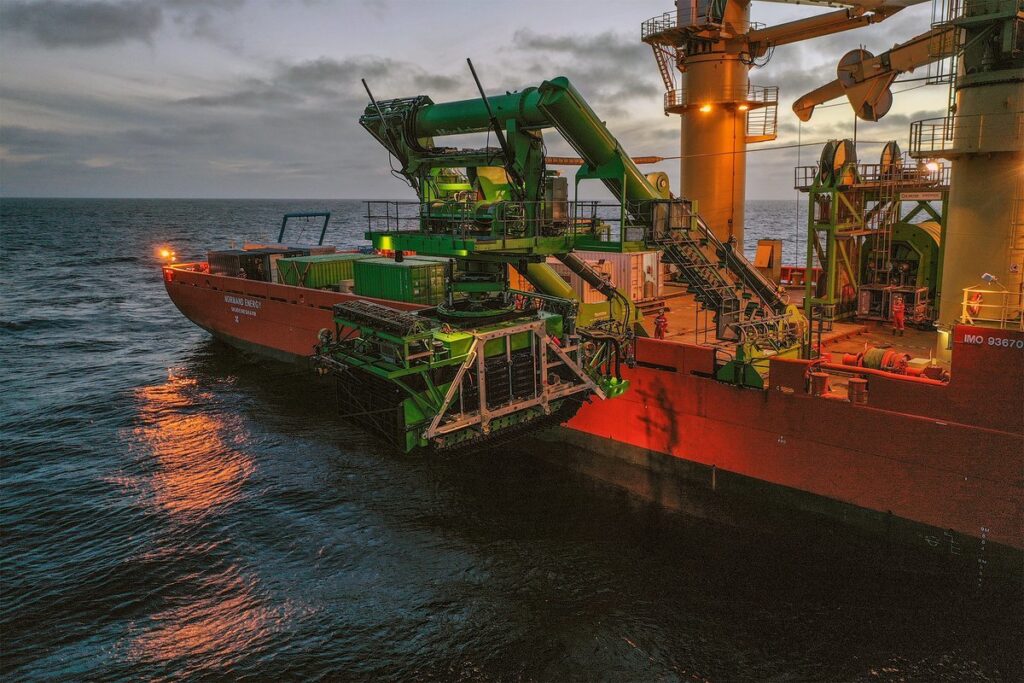
Canadian explorer The Metals Company, which operated under the name DeepGreen Metals until recently, is intensifying its search for polymetallic nodules on the ocean floor. As of 24 April 2024, the firm remains active in the Clarion‑Clipperton Zone (CCZ) of the Pacific Ocean, a seabed area noted for its high concentration of mineral‑rich nodules.
The CCZ, situated in the central Pacific, has attracted The Metals Company because the nodules it hosts contain significant quantities of nickel, copper, cobalt and manganese. These elements are increasingly sought after for use in batteries, electric vehicles and other green‑technology applications. By targeting this region, the company aims to tap a resource that could help meet rising global demand.
Polymetallic nodules develop over millions of years as metals leach from the Earth’s crust and accumulate on the sea bottom. The Metals Company’s strategy involves retrieving these nodules with specialized equipment and then processing them to separate the valuable metals.
This approach aligns with a broader industry shift toward extracting resources in a manner that claims to be more sustainable than traditional land‑based mining. Operating from Canada, The Metals Company is required to comply with a suite of regulations and guidelines governing deep‑sea mining. These rules emphasize environmental protection and social responsibility, obliging the firm to minimize any adverse effects on marine ecosystems and to consider the interests of nearby communities.
The company has repeatedly highlighted its commitment to adhering to these standards as the sector evolves. Exploration activities in the CCZ represent a major step for The Metals Company, marking progress toward the commercial development of deep‑sea mining.
The firm’s focus on this particular zone reflects a calculated decision to position itself where the density of nodules is among the highest known, thereby improving the economic viability of future extraction projects. Industry observers note that the company’s emphasis on responsible practices is essential for gaining social license to operate. As public scrutiny of ocean‑floor mining grows, The Metals Company’s ability to demonstrate low‑impact methods will likely influence its long‑term success. Looking forward, the trajectory of The Metals Company’s operations in the Clarion‑Clipperton Zone will be closely watched.
Stakeholders will assess not only the technical and commercial outcomes but also the environmental and social ramifications of any mining activities that move beyond the exploratory stage. With the demand for nickel, copper, cobalt and manganese projected to continue its upward trend, The Metals Company appears positioned to become a notable supplier of these critical materials, provided it can balance extraction goals with the sustainability expectations of regulators, NGOs and the broader public.




