
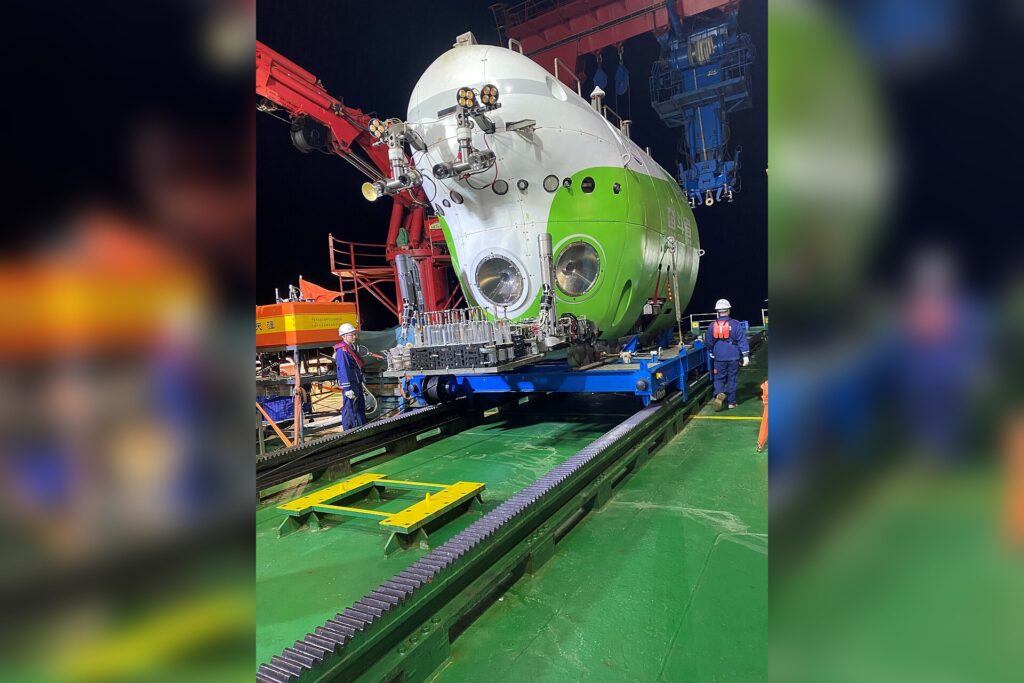
The Metals Company, a Canadian exploration outfit formerly known as DeepGreen Metals, is advancing plans to harvest polymetallic nodules from the Clarion‑Clipperton Zone (CCZ) in the Pacific Ocean. The CCZ, a vast area of abyssal plain that stretches across millions of square kilometres, has long been identified as a potential source of the nickel, copper, cobalt and manganese needed for batteries, electronics and renewable‑energy projects.
These nodules are natural formations that develop over millions of years as trace metals from the Earth’s crust settle on the ocean floor and coalesce into potato‑sized rocks. While the material is abundant, it is not a high‑grade ore; extracting it requires specialized equipment that scoops the nodules from the seabed and processes them either aboard a dedicated vessel or on land to separate the valuable metals.
Proponents of deep‑sea mining, including The Metals Company, argue that the approach could alleviate some of the environmental pressures associated with conventional, land‑based mining—such as open‑pit pits, tailings dams and conflicts over mineral rights. The firm positions its operations as part of a broader shift toward more sustainable and responsible extraction practices.
However, the CCZ is also home to unique deep‑sea ecosystems. Organisms living there have adapted to extreme pressure, perpetual darkness and limited food supplies, relying on the sediment surface that mining would disturb. Potential impacts include the removal of habitat, the creation of sediment plumes that could spread for kilometres, and noise from mining machinery that may travel long distances in the deep ocean. The full ecological consequences remain uncertain.
Operating under Canadian regulations, The Metals Company is required to meet environmental and social standards and has publicly pledged to avoid harming marine life and nearby communities. Whether these commitments can be maintained as commercial pressures increase is still untested.
The legal framework governing deep‑sea mining is still evolving. The International Seabed Authority (ISA) is tasked with drafting the rules for extraction activities in international waters, but final regulations have not yet been adopted. The Metals Company is proceeding with exploratory activities—such as seabed mapping, equipment testing and nodule sampling—while the ISA’s rule‑making process continues, a strategy that carries regulatory risk.
Economic viability is another key factor. The cost of locating, retrieving, transporting and processing nodules must compete with the price of metals sourced from terrestrial mines.
Fluctuations in global metal markets could tip the balance: higher prices would strengthen the business case, while lower prices could render the operation uneconomic. Environmental organisations have called for a moratorium on deep‑sea mining until scientific understanding of the deep‑sea environment improves. They contend that the technology is not yet proven and that the potential for irreversible damage outweighs the benefits.
The Metals Company counters that its technology is ready and that the growing demand for critical metals makes development unavoidable. The race for the CCZ is not limited to a single player.
Several other companies and nation‑state entities hold exploration contracts in the same region, underscoring a competitive scramble for access to the seabed’s mineral wealth. At present, The Metals Company remains in the exploration phase, gathering data and refining its collection methods. Transitioning to commercial extraction will require securing final permits, attracting sufficient capital and earning broader public acceptance—none of which are guaranteed at this stage.




