
For decades, the idea of deep sea mining has been a topic of discussion. Now, The Metals Firm, formerly DeepGreen, is making strides towards turning this concept into a reality.
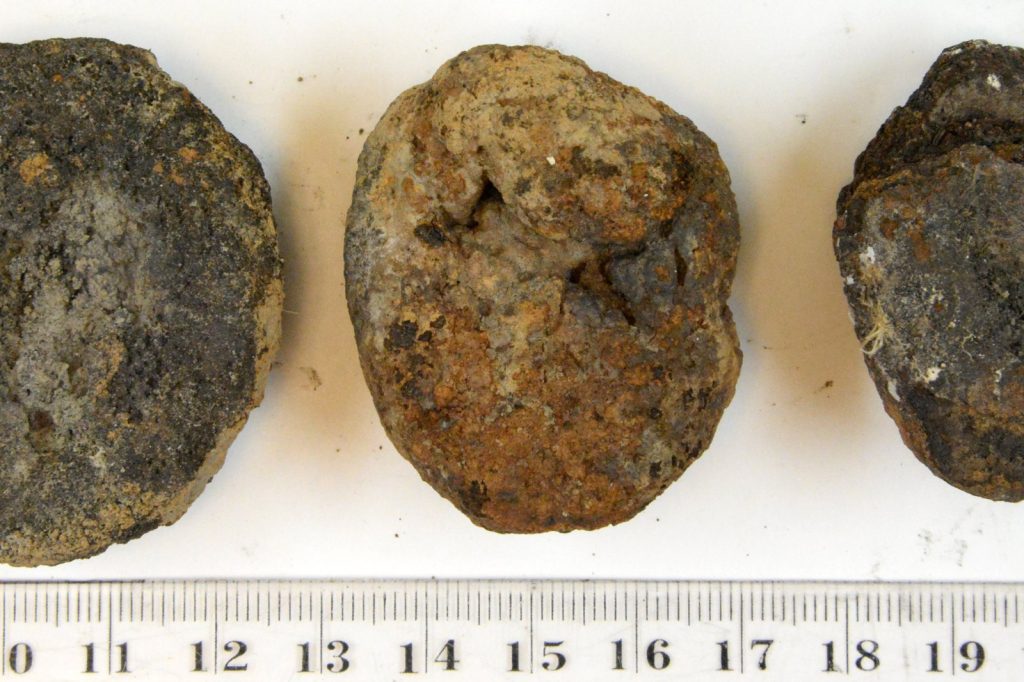
The Canadian exploration company is actively exploring polymetallic nodules in the Clarion Clipperton Zone of the Pacific Ocean. This vast expanse of seabed is viewed as a promising prospect by the company. These nodules are not novel; they form naturally over millions of years.
As metals from the Earth’s crust settle onto the ocean floor, they accumulate slowly into potato-sized rocks. Inside these nodules lie nickel, copper, cobalt, and manganese – essential components for batteries, electronics, and renewable energy infrastructure.
With growing demand for these metals, the question of their sourcing becomes paramount. Land-based mining has its challenges, including open pits, waste tailings, and conflict zones. The Metals Firm is proposing deep sea collection as a viable alternative.
Their proposed method involves specialized equipment designed to scoop nodules off the seabed. The extracted nodules would then be processed either on a ship or on land to extract the valuable metals.
The company positions this as part of a broader trend towards sustainable and responsible mining practices. However, the ocean floor is not barren. The Clarion Clipperton Zone is home to unique ecosystems, where organisms have adapted to extreme pressure, total darkness, and scarce food.
Mining these nodules would mean disturbing the very environment these organisms inhabit. The potential for sediment plumes and noise pollution from machinery is a concern, with the full ecological impact still unknown.
The Metals Firm operates under Canadian regulations and guidelines, which require adherence to environmental and social standards. The company claims commitment to preserving the ocean ecosystem and local communities. Whether this commitment holds up under commercial pressure remains to be seen. The regulatory landscape is still being developed.
The International Seabed Authority is tasked with creating the rules for deep sea mining in international waters. These rules have yet to be finalized.
The Metals Firm is moving forward with exploration while the legal framework is still being constructed. This is a calculated risk. Economically, polymetallic nodules contain valuable metals, but they are not high-grade ore.
The cost of collecting, transporting, and processing them must compete with land-mined materials. If metal prices drop, the economic viability of the operation becomes challenging.
If prices rise, the incentive to push ahead increases. Some environmental groups have advocated for a moratorium on deep sea mining, arguing the science is not ready. The Metals Firm counters that the technology is ready, and the metals are needed.
Both sides agree on the basic facts: the nodules exist, the demand is real, and the ocean remains largely unexplored. This is not a small venture.
The Clarion Clipperton Zone spans millions of square kilometers. The Metals Firm holds claims in this region, but they are not alone. Several other companies and nations have exploration contracts in the same area.
The race for the deep sea floor has quietly begun. For now, the company continues its exploratory work, mapping the seabed, testing collection equipment, and studying the nodules.
The next step would be commercial extraction, requiring permits, capital, and public acceptance, none of which are guaranteed.
Deep Sea Mining Venture Takes Stride Forward
In the Pacific Ocean’s Clarion Clipperton Zone, a Canadian firm, previously known as DeepGreen, is leading a bold new venture. This exploration company, now known as The Metals Firm, is aggressively pursuing polymetallic nodules – potato-sized rocks containing nickel, copper, cobalt, and manganese. These metals are vital components for batteries, electronics, and renewable energy infrastructure, making them increasingly sought after.




