
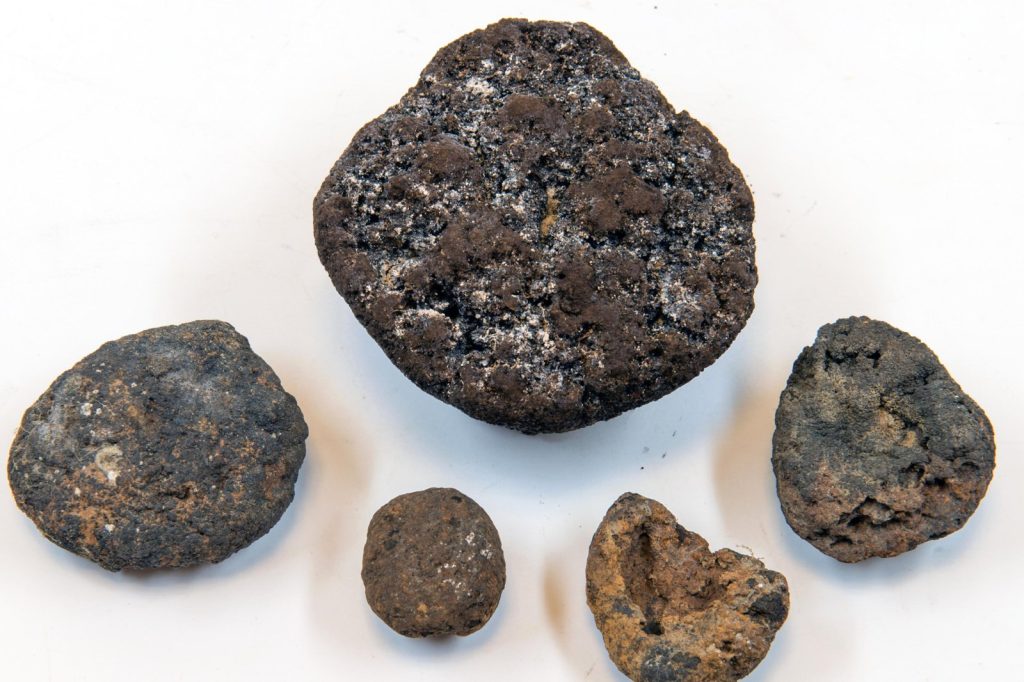
On 15 July 2024 the planet’s oceans were still largely untapped for mineral extraction, yet deep‑sea mining was gaining attention as a possible avenue for supplying scarce resources. The term “deep sea” refers to seabed zones 4–6 km below the surface, where a variety of ore deposits have been identified. Among these, polymetallic nodules—spheroidal rocks that settle on abyssal plains—contain copper, nickel, cobalt and manganese, together accounting for roughly 30 % of their mass.
The Clarion‑Clipperton Zone (CCZ) in the eastern Pacific Ocean stands out as a hotspot for such deposits. Estimates place the amount of nodules in the CCZ at about 21 billion metric tonnes, a resource that could hold more than 120 million tonnes of cobalt—five times the quantity currently available on land.
Similar mineral‑rich formations are believed to exist across other parts of the ocean floor, fueling interest and investment in the nascent industry. Despite the commercial promise, the environmental stakes are high. Research on mid‑water extraction methods—where mineral‑laden plumes are pumped upward—has shown that disturbances can cascade from the water column to the seabed, threatening ecosystems far beyond the immediate mining site.
These findings have prompted calls for stringent regulation and continuous monitoring to safeguard marine life. Regulatory oversight rests with the International Seabed Authority (ISA), the body tasked with managing mineral activities in international waters.
By July 2024 the ISA had issued 31 exploration licences: 19 for polymetallic nodules—mainly in the CCZ—seven for polymetallic sulphides located along mid‑ocean ridges, and five for cobalt‑rich crusts in the Western Pacific. While these licences permit companies to assess the feasibility of extraction, none have yet progressed to commercial‑scale operations. Supporters argue that deep‑sea mining could diversify supply chains for critical minerals, helping meet rising global demand driven by clean‑energy technologies.
Critics, however, stress the potential for irreversible damage to deep‑sea habitats and stress the need for a precautionary approach. The ISA’s role, therefore, is increasingly pivotal in reconciling economic ambitions with ecological protection, ensuring that any future mining activities adhere to sustainable standards.
Looking ahead, the sector is expected to face both significant hurdles and opportunities. Companies will continue exploratory work while regulators refine frameworks intended to limit environmental impact. The balance struck between resource extraction and ocean health will shape the trajectory of deep‑sea mining and its contribution to the world’s mineral supply. As the international community strives to satisfy growing mineral requirements without compromising marine ecosystems, the evolution of deep‑sea mining will remain a focal point for policymakers, industry stakeholders and environmental groups alike.




