
Western Serbia’s Mačva District could become a pivotal source of lithium for Europe if Rio Tinto proceeds with its Jadar mining proposal. Discovered in 2004, the deposit ranks among the world’s largest lithium reserves and also contains significant boron.
According to the company, the ore body holds about 118 million tonnes grading 1.8 % lithium oxide, and it is the sole known source of the mineral jadarite. The project promises to extract both lithium and boron, positioning Rio Tinto to become a major player in the continent’s emerging clean‑energy supply chain. Estimates suggest the mine could meet up to 90 % of Europe’s current lithium demand, a figure that underscores its strategic importance for the region’s energy transition. However, the mine’s development has been repeatedly stalled by environmental concerns and local opposition.
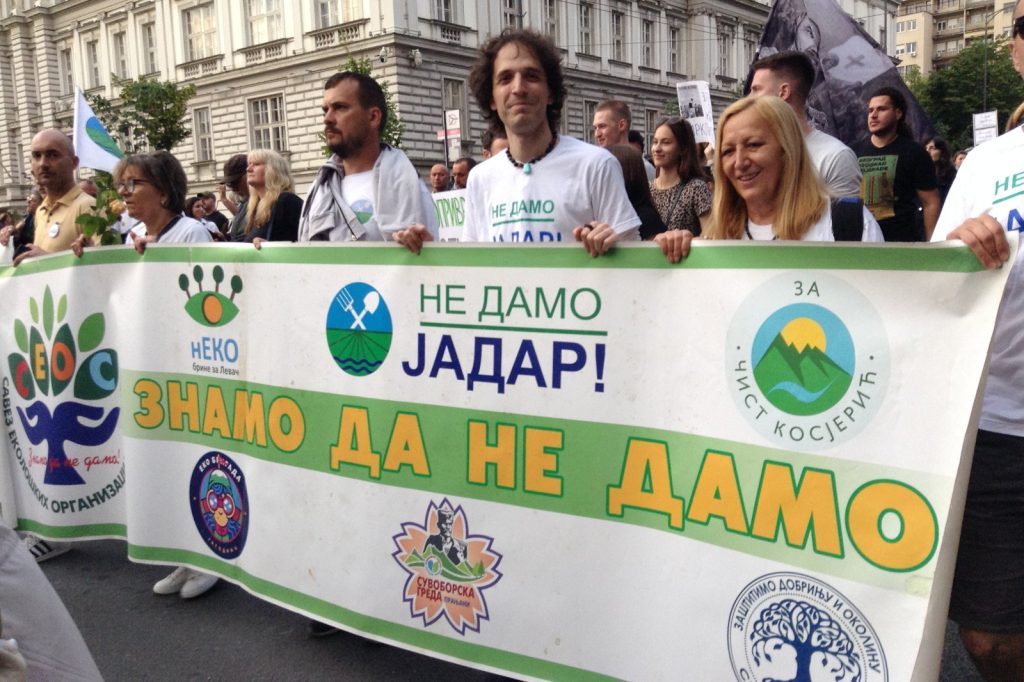
Large‑scale protests erupted after Belgrade revoked the mining licences in January 2022, a decision hailed by activists as a win for environmental protection. The revocation was later declared unconstitutional by Serbia’s Supreme Court in July 2024, reopening the legal pathway for the project.
President Aleksandar Vučić addressed the issue in January 2024, saying the government intends to resume dialogue with Rio Tinto and broaden public discussion about the mine’s future. His remarks signaled a possible shift from the 2022 stance, suggesting that economic benefits—such as job creation and export revenue—will be weighed against the environmental and health worries voiced by residents of the Mačva District. Local communities remain wary.
Critics argue that the operation could jeopardise water quality, air purity and overall public health, while supporters point to the potential for regional economic growth and Serbia’s role in the global lithium market. The controversy has persisted despite the court’s ruling, with renewed demonstrations occurring throughout 2024.
The Supreme Court decision does not guarantee that mining will resume, but it removes a major legal obstacle. As Rio Tinto and Serbian officials prepare for further negotiations, the outcome will likely hinge on how effectively the government can incorporate community input and address environmental safeguards. Stakeholders from the European energy sector are watching closely.
If the Jadar mine reaches production, it could significantly reduce Europe’s reliance on lithium imports from outside the continent, aligning with broader policy goals for supply‑chain security and lower carbon footprints. For now, the project’s fate remains uncertain.
The next phase will involve detailed discussions between Rio Tinto and Serbian authorities, alongside an expanded public consultation process. Observers stress that any decision must balance the prospective economic upside with rigorous environmental oversight and transparent engagement with the affected population. As the legal and political landscape evolves, the Jadar mine stands as a case study of the tensions between resource development and sustainability in the 21st‑century mining industry.




