
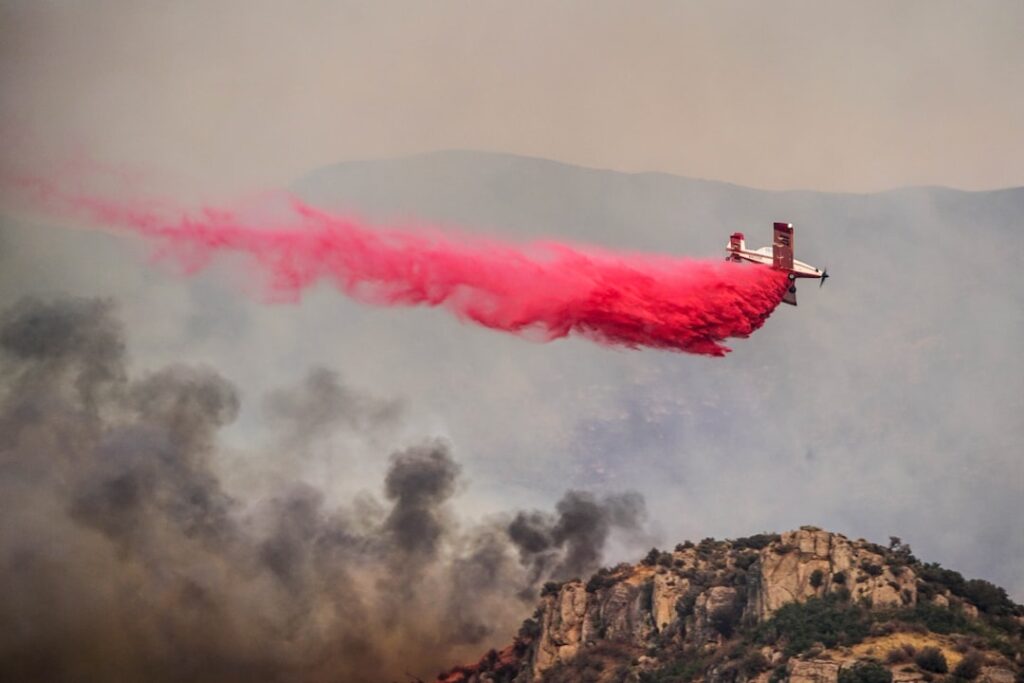
Between 8 and 10 July, two separate fire outbreaks erupted in eastern Bolivia, affecting the Llanos de Chiquitos savanna and the Bolivian Amazon rainforest. The incidents have been reported in the departments of Beni and Santa Cruz, regions known for their high biodiversity and the presence of Indigenous communities that rely on the forest for sustenance, medicine and water.
While the onset of the dry season in this part of the country typically brings an increased risk of fire, the precise locations where the flames first ignited, their rate of spread and the full extent of the damage remain uncertain. The Bolivian government has not released an official statement identifying the causes of the July blazes. The two ecosystems burned in markedly different ways.
The Llanos de Chiquitos is a broad grassland dotted with scattered trees; fires there travel quickly along the ground, often allowing wildlife to escape the advancing front. In contrast, the Amazon’s dense canopy, thick leaf litter and high humidity usually resist ignition.
When a fire does take hold, it climbs the canopy, destroying centuries‑old trees, opening the forest to sunlight and wind, and creating conditions that make subsequent fires more severe. Beni and Santa Cruz host some of Bolivia’s most biologically rich habitats. The Bolivian Amazon alone contains plant and animal species found nowhere else on the planet. The loss of any portion of this environment threatens not only biodiversity but also the cultural and economic well‑being of the Indigenous peoples who call it home.
Assessing the full impact will require weeks or months of analysis. Satellite imagery will be compared with on‑the‑ground surveys conducted by field teams walking the burned areas.
These efforts will eventually produce a tally of hectares affected, but numbers alone cannot convey the disappearance of species or the disruption of local livelihoods. Current priorities focus on containment. Fire‑fighting crews aim to stop the flames from advancing, protect remaining unburned patches and safeguard any accessible resources.
Once the immediate threat is under control, authorities and conservation groups will shift to detailed damage assessments and discussions on future prevention strategies. The region’s fire‑prone conditions—dry grass, low humidity and windy weather—remain in place, meaning that fires sparked by lightning, agricultural clearing or other sources could continue to smolder for weeks if weather patterns persist.
Local residents, familiar with the terrain and traditional fire‑break locations, are actively involved in protecting their lands, drawing on generations of experience living alongside fire. This year’s multiple outbreaks have stretched available firefighting resources. Without an official explanation of the causes, it is difficult to determine which policy or management changes might be most effective.
The pattern of seasonal wildfires in Bolivia repeats annually, affecting parts of the Llanos and Amazon each dry season. Whether the July incidents will catalize a more robust response remains to be seen.




