
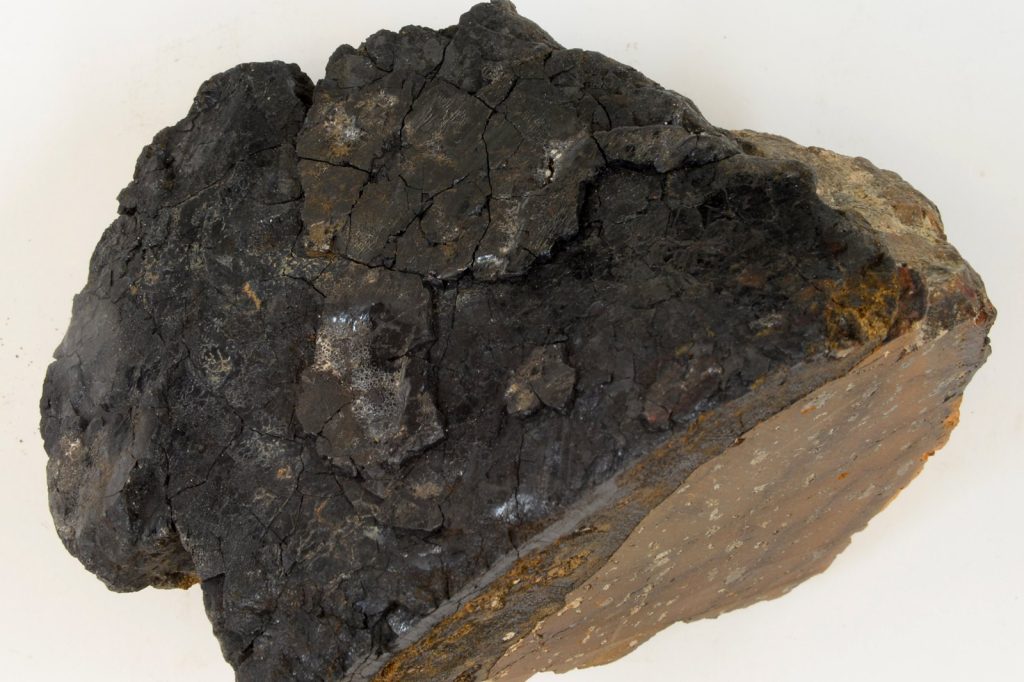
For many years the ocean’s abyssal plains have been largely ignored by commercial interests, but that is now changing. At depths of four to six kilometres, the seabed of the Clarion‑Clipperton Zone (CCZ) in the eastern Pacific contains an estimated 21 billion metric tons of polymetallic nodules. These rock‑like formations are composed of roughly 30 % metal by weight, including copper, nickel, cobalt and manganese. Of particular note, the global ocean floor is thought to hold more than 120 million tons of cobalt—about five times the amount currently found in terrestrial reserves.
The demand for these metals is driven by their essential role in batteries, electronics and renewable‑energy infrastructure. Traditional land‑based mining faces mounting challenges: political opposition, severe environmental impacts and rising operating costs. The deep sea therefore appears to offer an alternative source, albeit one that is still poorly understood.
Regulation of mineral activity on the high seas falls under the International Seabed Authority (ISA). By July 2024 the ISA had issued 31 exploration licences for the CCZ, indicating growing commercial interest while also highlighting that the regulatory framework is still catching up to industry ambitions. Exploration does not equal extraction, and the step from the former to the latter raises complex environmental questions.
Scientific studies have documented that the mid‑water mining techniques proposed for the CCZ—most notably the use of sediment plumes to lift nodules to the surface—can cause “bottom‑up” impacts on the ecosystem. Disruption at the base of the food web can cascade upward, affecting microorganisms, fish and even marine mammals. The effects are not confined to the immediate mining site; plumes can travel, and deposited sediment can smother organisms that have adapted over millennia to the dark, still conditions of the deep sea. Recovery, if it occurs, could take decades or even centuries.
The forces propelling this emerging industry are clear. Governments seek secure supplies of critical minerals, corporations pursue profit, and environmental groups call for protection of fragile habitats. The ISA sits at the centre of this tension, tasked with drafting rules for an industry that has yet to fully materialise. Developing nations are also pressing for a share of revenues from what they consider the “common heritage of mankind,” while environmental advocates are urging moratoria or outright bans.
Looking ahead, the number of exploration licences is likely to rise, potentially doubling or tripling the current 31. Technological advances in extraction are progressing faster than the development of comprehensive management regulations—a pattern seen previously in deep‑water oil drilling, fisheries and ocean dumping, and one that has rarely ended without significant environmental fallout.
Deep‑sea mining is not inevitable, but it appears increasingly probable. The mineral wealth exists, the market demand is real, and the ISA’s regulatory machinery is moving forward. The decisive question now is whether the environmental costs will be fully recognised and mitigated before the first large‑scale mining operation commences, or whether they will only be addressed after damage has been done.




