
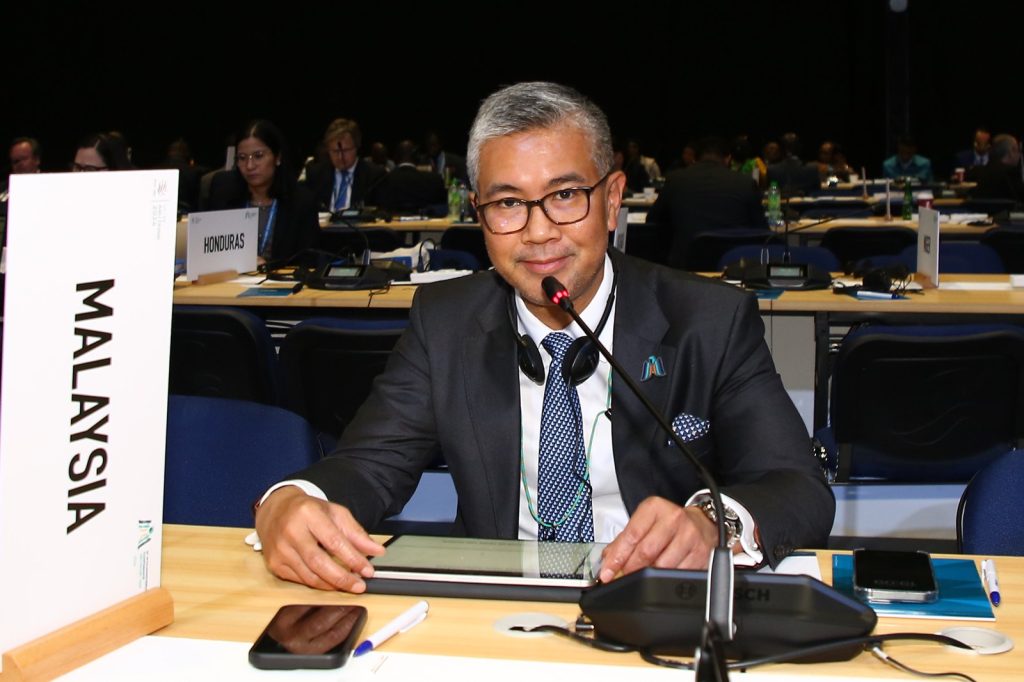
Finance Minister Tengku Datuk Seri Zafrul Abdul Aziz announced on June 10, 2021, that all payments for Malaysian government services will shift to a cashless basis by 2022 as part of the MyDigital national digital economy initiative. The move aims to curb corruption, improve tax collection, and modernize public services. Zafrul made the statement during the Malaysian Institute of Accountants (MIA) conference, emphasizing that digital payments reduce direct contact between citizens and officials, thereby limiting opportunities for graft.
Zafrul framed the cashless mandate as a direct blow to corruption. “The government encourages digitalization for various purposes, including modernizing services and reducing corruption because it reduces direct contact between citizens and government officials,” he said.
The Ministry of Finance expects safer transactions, better strategic intelligence, and easier information exchange across agencies. By eliminating cash handovers, the government can track every payment and audit every transaction. The minister noted that the government has already switched to electronic ID cards and biometric identification for citizens.
These systems accelerate direct government support while ensuring integration, accessibility, and transparency. “Accountants, who have a huge influence on making informed decisions, also play a important role in advancing digital technology,” Zafrul added, pointing to MIA’s efforts to promote leadership and digital transformation through its business plans.
Tax collection and the black economy
Expanding the tax base is a central goal of the cashless push. Zafrul said the government intends to bring taxes from the black economy into the formal system. “Improving tax compliance and administrative issues will improve tax collection, which is crucial for the government to provide more assistance during the crisis and spend more time for national development,” he stated.
The shift to digital payments makes it harder for businesses and individuals to hide income. Every transaction leaves a digital trail.
The Ministry of Finance believes this will close loopholes that have allowed billions in untaxed economic activity to flow through cash transactions. The minister did not provide specific revenue targets, but the move aligns with broader efforts to strengthen Malaysia’s fiscal position.
Accountants and governance reform
At the MIA 2021 meeting, chairman Dr. Virinderjit Singh highlighted the role of accountants in ensuring good corporate governance. “An important governance area that is critical to the country’s future resilience is tax transparency, tax administration, and environmental, social and corporate governance integration in business and company reporting,” Singh said. He argued that these elements are essential to meet market and investment needs.
Zafrul echoed this, stating that accountants help make informed decisions. He pointed out that the Ministry of Finance is a national lecturer appointed by the International Integrated Reporting Council (IIRC) and played a leading role in promoting integrated reporting adoption.
“Listed companies are commendable, and investor relations are part of the story of creating value for the public sector and building public trust through increased transparency and accountability,” Zafrul said.
Accrual accounting and global recognition
The government’s gradual transition to accrual accounting is another pillar of the reform. Zafrul called it “invaluable in improving the financial health of the public sector.” The introduction of a public sector financial management system has become a global comparative case study. “Malaysia and the Ministry of Interior are role models,” he added.
Accrual accounting records revenues and expenses when they are earned or incurred, not when cash changes hands. This provides a clearer picture of the government’s financial position.
The shift supports the cashless initiative by creating a unified, transparent financial framework. The Ministry of Finance expects that combining accrual accounting with digital payments will make it nearly impossible for officials to siphon public funds without detection.
Progress and next steps
Zafrul revealed that by the end of 2020, 60% of all government expenses were already made through electronic payments. The three-day MIA conference, titled “Ensure a Sustainable Future with Flexibility and Resilience,” aimed to equip auditors with future-oriented skills. Sessions covered corporate sustainability, climate solutions, and digital empowerment.
The MyDigital blueprint envisions Malaysia moving toward a digital network economy on the path of Industrial Revolution 4.0. The government is pushing digitalization for multiple purposes: modernizing services, reducing corruption, and improving efficiency.
The cashless mandate by 2022 represents a concrete deadline for agencies to adopt electronic payment systems. The shift to cashless government payments, combined with biometric ID, accrual accounting, and expanded tax enforcement, represents a coordinated assault on corruption and inefficiency. If implemented fully, it will leave little room for the cash-based graft that has long plagued public services.
The minister’s announcement set a clear timeline, but the real test will be whether agencies can meet the 2022 deadline and whether the promised transparency actually materializes.




