
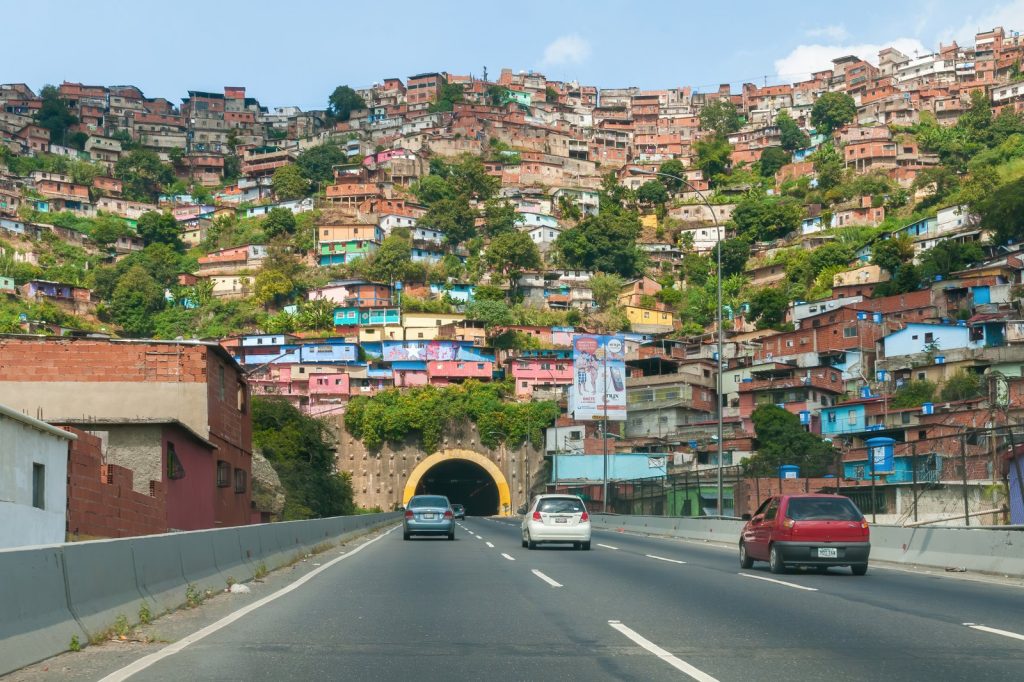
CARACAS, September 24 — Three months after twin earthquakes struck northern Venezuela, Amnesty International says the recovery effort still lacks a human rights framework, as official casualty and missing-persons data remain incomplete and contested. The quakes, measuring 7.2 and 7.5 in magnitude, hit on 24 June 2026 and rank among the country’s most serious disasters in recent decades. Official figures put the death toll at 6,509 people.
Of 60,785 affected homes assessed, 11,001 were classified as high risk. Amnesty published its findings this week, stating that a human rights-centred response remains absent.
“Three months after these events, there remains a debt to those affected that must be addressed by placing their human rights and dignity at the centre of the recovery,” said Ana Piquer, Amnesty International’s Americas Director.
Relief effort described as delayed and uncoordinated
Amnesty interviewed 21 people directly affected in Caracas and La Guaira between 23 July and 14 August 2026. Those interviewed said the authorities’ response was delayed and poorly coordinated. Family members and neighbours removed rubble with their bare hands or improvised tools while requesting heavy machinery, specialised personnel and search dogs.
Interviewees also reported that although there was a large deployment of police, military and intelligence personnel, their activities focused on surveillance and territorial control rather than directly participating in rescue operations or efforts to locate missing people. Public information provided by the Venezuelan authorities has been marked by opacity and a lack of transparency, according to the findings.
To date, no official figures on missing people have been published, on the grounds that the authorities wish to avoid speculation. The only official estimate was provided by the governor of La Guaira state, who put the number at 1,579 missing people. In the absence of official data, independent citizen initiatives have recorded more than 41,000 reports of missing people.
Despite these valuable efforts, errors and duplicate names have been identified in these records, making official figures essential.
Discrepancies in the death toll
Significant discrepancies also exist in the recorded number of deaths. The governor of La Guaira state said the death toll was estimated at 7,265 people, while the national government’s most recent update, on 24 August, reported a total of 6,509 deaths resulting from the disaster.
Available data are not disaggregated by sex, age, location or other essential characteristics, making it impossible to identify the differentiated impacts of the earthquakes and design appropriate responses for children, older people, women, people with disabilities and other groups that may require specific protection and assistance measures.
The earthquakes struck a population already facing a complex humanitarian emergency, serious difficulties in accessing economic and social rights, including the rights to health, food, housing and work, as well as a policy of systematic and widespread repression that has pushed at least 25% of Venezuela’s population to flee the country since 2015 in search of international protection.
Families search on their own
During interviews conducted by Amnesty International, people reported very limited institutional support and a lack of information about the mechanisms available to them to find out the whereabouts of their relatives or what measures the authorities had taken.
Families have undertaken searches on their own, visiting public institutions, morgues, hospitals and collapsed buildings; putting up posters with photographs of their loved ones in strategic places such as hospitals and temporary shelters; sharing information on social media; and, together with civil society organisations, creating databases and digital platforms in an attempt to locate those who remain missing. One interviewee, a grandparent of two missing children aged 13 and 14, said: “My children are still missing.
I have a lot of faith that the children were taken to another shelter, to another state, that they are alive.” What to watch next: whether Venezuelan authorities publish disaggregated casualty and missing-persons data, and whether international human rights bodies press for a recovery framework centred on affected populations.




