
Nearly 200 countries are due at COP31 in Antalya in November, and Turkey has already picked the number it wants them to argue about: 35.
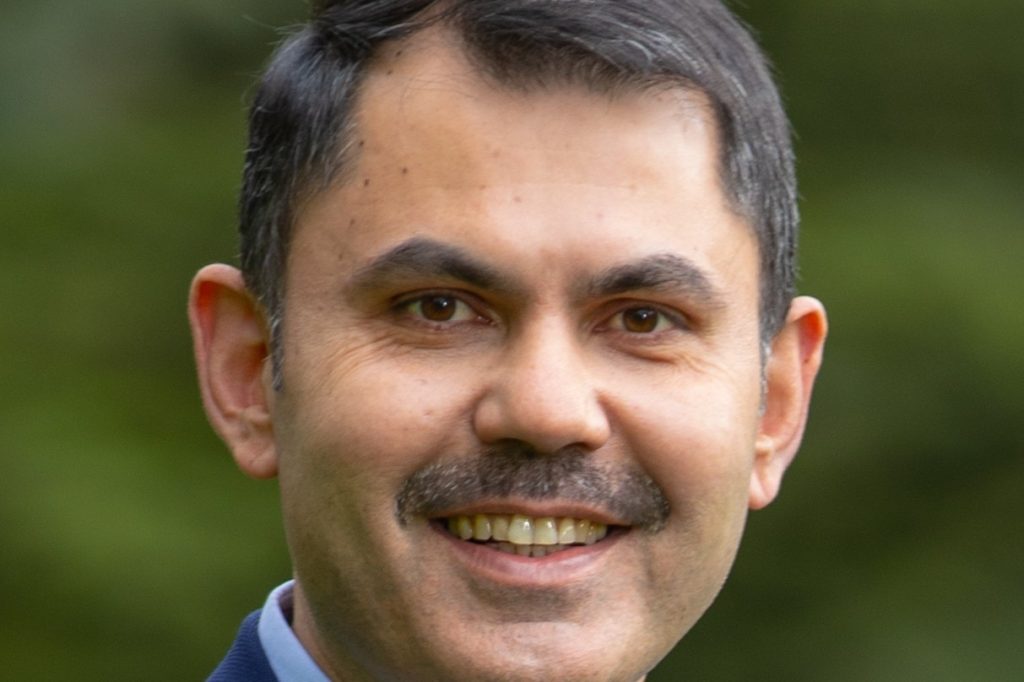
Environment Minister Murat Kurum said in early June that Ankara will ask for multilateral backing of a voluntary goal. Electricity would supply 35% of global energy demand by 2035, up from roughly 20% today. In plain terms, that means a lot of things that burn fuel directly would have to plug in. Kurum named industrial furnaces, passenger vehicles and residential heating.
The practical upshot is easy to picture. Think of a heat pump replacing a gas furnace in a house, an electric arc furnace taking over from a combustion one, a driver buying an EV instead of a petrol car. Each swap moves demand onto the grid, and the grid, as ESG News put it, is getting steadily cleaner. Electricity decarbonises faster than any other energy sector.
One condition: clean power
The idea only works if the electricity is clean. France and Sweden lean heavily on nuclear and renewables, so their power is close to zero-emission. China and India are still adding coal capacity. A 35% electrification target with no matching promises on power-sector emissions could, in theory, mean more coal burned in fast-growing economies. ESG News said Turkey’s proposal will have to address that tension head on to withstand scrutiny.
A coalition, not a treaty
Turkey is not asking for a binding agreement. Kurum wants a coalition of willing governments, and he framed the goal as a development issue as much as a climate one. “We will also work closely with all countries, especially with developing economies, to help facilitate access to technical assistance, capacity-building, and financial support in line with this goal,” he said.
That matters because poorer economies face the steepest hurdles: capital costs, weak grids and industrial timelines that run well beyond 2035. The report warned that a target without credible finance behind it risks the same fate as other climate pledges that stall at implementation. Which development banks or sovereign wealth funds Turkey can bring along will help decide the outcome.
Who runs what at COP31
The conference has an unusual structure. Turkey hosts in Antalya, while Australia manages the formal UN climate negotiations. The split came out of the two countries’ competing bids. For Ankara, the consequence is that influence depends on building alliances and setting the agenda more than on controlling procedure, and ESG News described the electrification push as partly a bid for diplomatic relevance within that limit.
Oil and gas disruption tied to the Iran conflict gives the proposal a tailwind earlier climate summits lacked. Demand for electric vehicles has jumped in South Korea, Japan and Italy as drivers react to fuel price swings. In some markets, the report said, the conflict squeezed what would have been a years-long adoption curve into months.
Investors are watching for three signals before the summit: which governments formally endorse the target, what financial commitments appear around technology transfer, and how the initiative lines up with national plans filed under the Paris Agreement. ESG News judged 35% by 2035 achievable on current trajectories in some markets. In others, it said, structural policy intervention would be needed.




