
Electricity supplies roughly 20 percent of the world’s energy demand today. Turkey wants that figure at 35 percent by 2035.
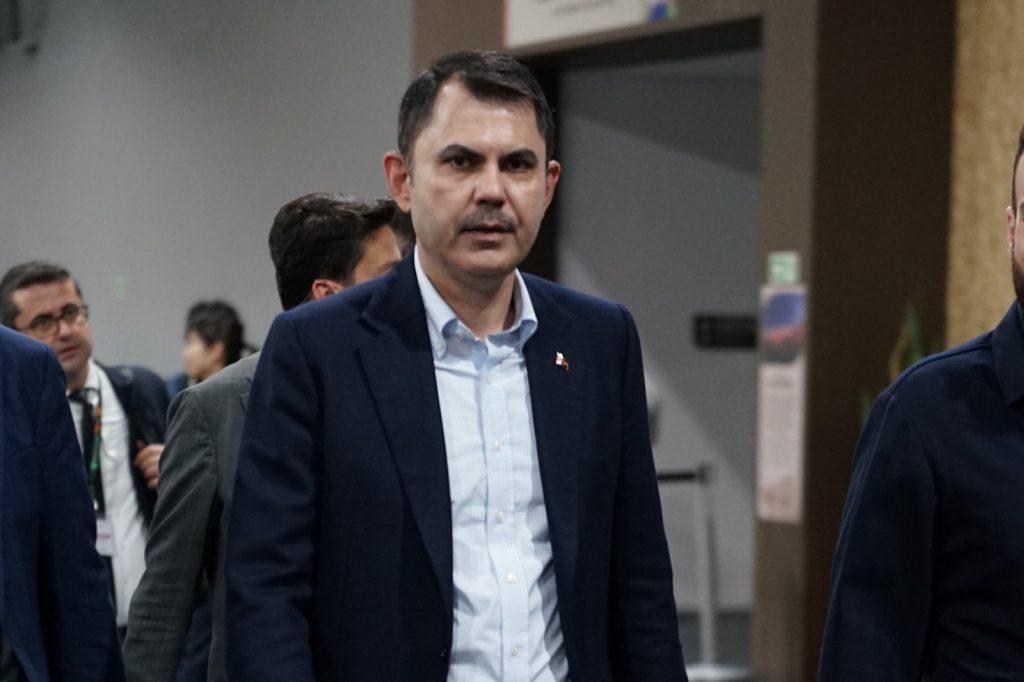
Environment Minister Murat Kurum announced in early June that Ankara will seek multilateral backing for a voluntary global target. Turkey hosts the COP31 climate conference in Antalya in November, and Kurum, who will preside over the summit, wants as many countries as possible to sign on beforehand. Because the target is voluntary, the aim is a coalition rather than a binding deal among the nearly 200 countries attending.
What would have to change
Kurum’s plan centres on the systems that still burn fuel directly: industrial furnaces, passenger vehicles and home heating. He wants them moved to electric furnaces, electric vehicles and heat pumps, which he says would also shield families and businesses from swings in fossil fuel markets.
The remaining demand is met mostly by fossil fuels, with about 10 percent coming from biofuels and waste. Reaching 35 percent would mean a near-doubling of electricity’s share of final energy use within a decade, a pace well beyond historical rates.
There is a catch. An electric heat pump is only as clean as the grid feeding it. France and Sweden draw heavily on nuclear and renewables, so their power is close to emission-free. China and India keep adding coal capacity. Without matching commitments to clean up power generation, the commentary on the plan notes, a 35 percent target could in theory raise coal burn in fast-growing economies.
Money for poorer countries
Emerging economies face the steepest obstacles: high capital costs, thin grid infrastructure and industrial timelines that run well past 2035. Kurum addressed that directly. “We will also work closely with all countries, especially with developing economies, to help facilitate access to technical assistance, capacity-building, and financial support in line with this goal,” he said.
Analysts say the detail on finance, including which development banks or sovereign wealth funds Turkey can bring along, will decide whether the target stays a slogan or becomes workable. For families in countries still expanding basic access to electricity, the cost of the shift matters as much as the headline number.
An unusual host arrangement
COP31 splits its duties. Turkey hosts in Antalya, while Australia runs the formal UN climate negotiations, an arrangement that followed competing bids from the two countries. The electrification push is therefore a Turkish presidential initiative, not a negotiating outcome. That gives Ankara room to build alliances but limits the proposal’s formal standing in the UN process.
Oil and gas disruption from the Iran conflict has added momentum. Demand for electric vehicles has surged in South Korea, Japan and Italy as drivers try to avoid higher prices at the pump, according to the reports. A similar acceleration in renewables followed the 2022 energy price shock after Russia’s invasion of Ukraine.
Investors will be watching which governments endorse the target before Antalya, what financial commitments emerge on technology transfer, and how the plan fits with the national climate pledges submitted under the Paris Agreement. One analyst’s view: 35 percent by 2035 is achievable on current trajectories in some markets, while in others it requires structural policy intervention.
Sources
- Turkey Proposes Global 35% Electricity Target by 2035 Ahead of COP31 Antalya Summit
- Turkey Proposes 35% Global Electricity Share Target by 2035 as COP31 Host Seeks Coalition Support




