
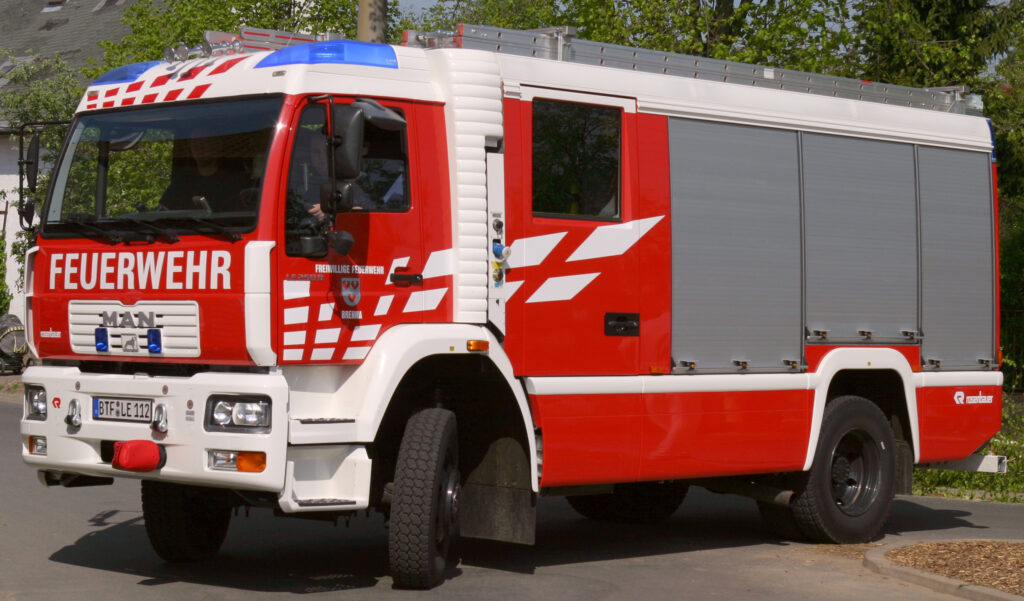
A fire that broke out at a refugee centre in Apolda, Thuringia, on June 4, 2023, resulted in one fatality and left ten people injured. The building, which housed individuals who had fled conflict and persecution, was completely destroyed by the flames.
The exact cause of the blaze remains unknown, and authorities have launched an investigation to determine how it started. The victims were asylum seekers who had already endured the dangers of leaving their home countries due to war, violence, or persecution—the very conditions that define refugee status under the United Nations High Commissioner for Refugees. Having crossed borders and left families behind, they arrived in Germany seeking safety, only to face a deadly fire in their temporary shelter.
The incident has prompted broader questions about the safety and reliability of energy systems in refugee accommodations across Germany. The tragedy highlights the vulnerability of people living in these facilities, where a single failure in infrastructure can turn a place of refuge into a deadly environment.
Refugees often reside in temporary or substandard buildings, and the margin for error in such settings is extremely narrow. In response to the Apolda fire, a report has emerged that connects the disaster to a larger, quieter crisis: the energy systems powering refugee shelters. The report argues that these centres require dependable and sustainable energy sources that do not fail, catch fire, or endanger already vulnerable populations.
It points to renewable energy—such as solar and wind power—as a clean and cost-effective alternative to fossil fuels. Fossil fuel infrastructure carries inherent risks, including pipeline leaks, gas line explosions, and power plant breakdowns.
When refugee centres rely on such energy, the residents are not just refugees but tenants in buildings whose safety depends on systems that have repeatedly proven hazardous. The Apolda fire, regardless of its specific cause, forces this issue into public view. The report does not identify the deceased or the injured, nor does it include quotes from officials or eyewitnesses.
Instead, it presents the facts: one dead, ten injured, a building destroyed, and an investigation that may or may not pinpoint a single cause. It then asks what lessons can be learned for the thousands of refugees living in similar conditions across Germany and beyond.
Investment in renewable energy for refugee centres, the report argues, could reduce accident risks, promote energy security, and provide a stable, reliable power supply. Solar and wind power would cut dependence on fossil fuels, which are not only dangerous but also expensive and subject to price volatility. A shelter powered by solar panels, for example, is less likely to experience a gas leak, a winter power outage, or a fire. The report does not claim that the Apolda fire was caused by fossil fuels, nor does it suggest that renewable energy would solve every problem.
But it makes a practical case that the type of energy used in these facilities matters for safety, stability, and the well-being of people who have already lost everything. As the investigation continues, the fire in a small German town serves as a stark reminder of the thin line between safety and disaster for refugees.




