
WASHINGTON, July 15 — A California startup’s plan to launch a mirror satellite that could reflect sunlight onto ground-based solar farms after dark is drawing sharp pushback from astronomers and environmental groups who warn it will worsen light pollution. The satellite, developed by Reflect Orbital, would essentially act as an orbital mirror, bouncing a beam of sunlight back to Earth. The company says the goal is to extend the operating hours of solar energy facilities, generating clean power even after the sun has set.
But the practical upshot, critics argue, is a new and potentially disruptive source of artificial light in the night sky.
What the science says
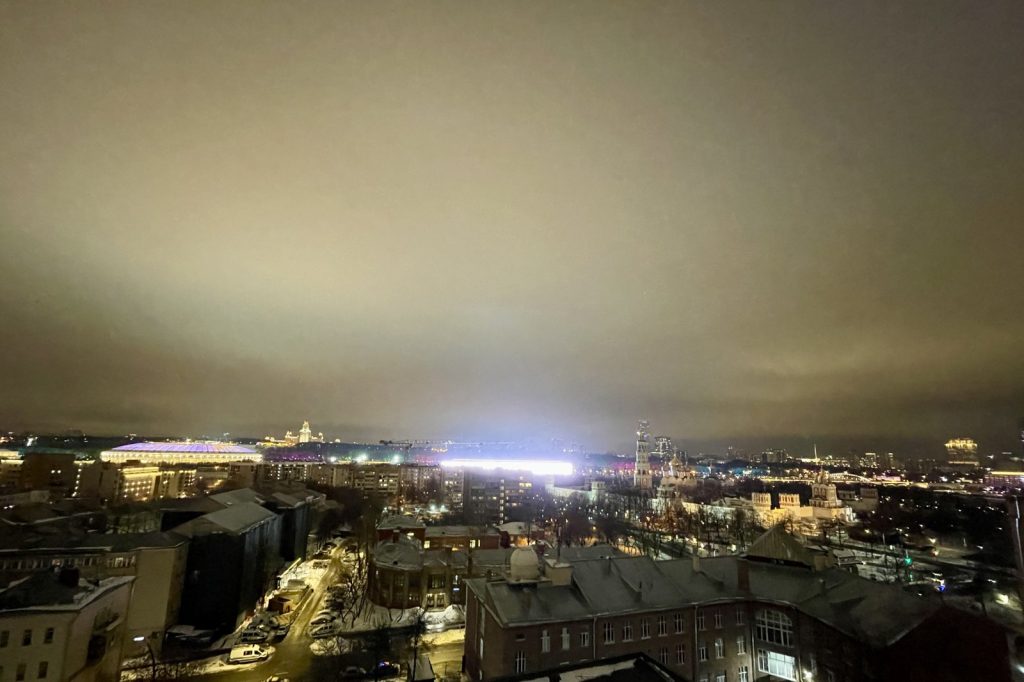
The International Dark-Sky Association, which has advocated for reducing artificial light at night since its founding in 1988, has flagged the project as a threat to nocturnal ecosystems and astronomical research. The concern is not hypothetical. A 2023 study published in the journal Nature Astronomy estimated that existing satellite constellations already could increase sky brightness by up to 10% over natural levels.
The mirror satellite’s reflected beam could be up to 5 kilometers wide. Think of it like a spotlight sweeping across the landscape from orbit — one that could interfere with the migration patterns of birds and insects that rely on natural darkness to navigate.
The US National Science Foundation has also expressed concerns about the impact on ground-based telescopes. Astronomers already struggle to capture clean images through the glow of urban light pollution; an orbiting mirror adds a whole new variable.
Conditions attached
The Federal Communications Commission approved the project with conditions. Reflect Orbital must coordinate with astronomical observatories to avoid interfering with their observations. That requirement echoes earlier controversies over SpaceX’s Starlink satellite constellation, which launched its first satellites in 2019 and has since drawn repeated complaints from the astronomy community about bright streaks across telescope images.
In plain terms, the FCC is trying to balance two competing interests: the promise of round-the-clock renewable energy and the preservation of dark skies for science and nature. Whether that balance holds will depend on how well Reflect Orbital can steer its beam away from sensitive observatories — and whether the beam’s effects on wildlife prove manageable.
The debate is still in its early stages. The satellite has not yet launched, and the company has not released detailed orbital parameters or a timeline. What to watch next: whether astronomers’ data on sky brightness changes, and whether the International Dark-Sky Association or other groups file formal challenges to the FCC’s approval.




