
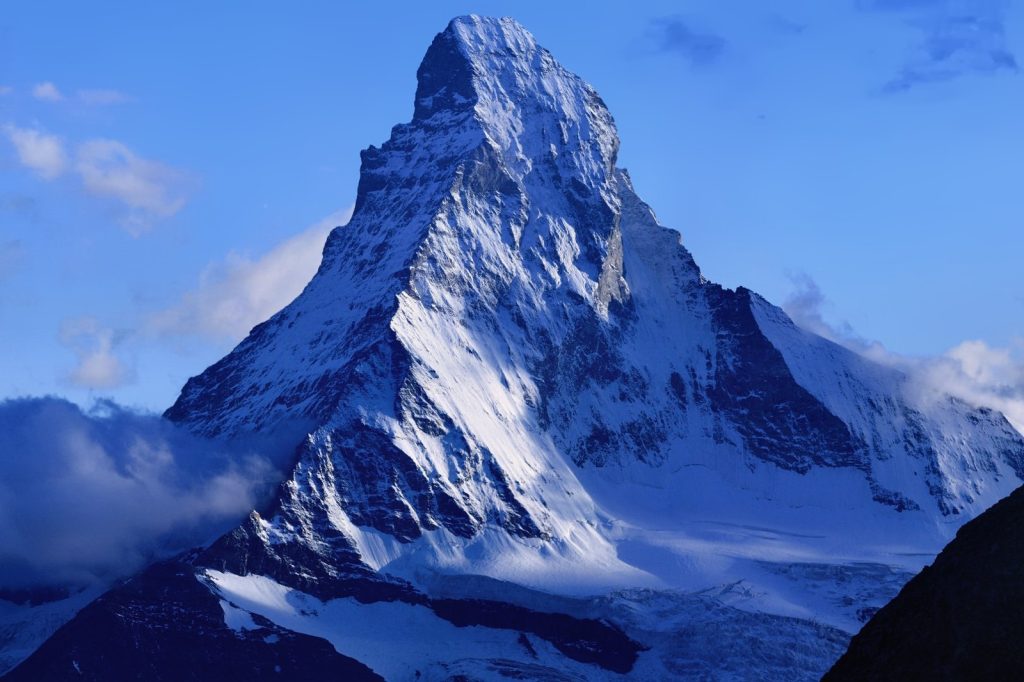
An avalanche near the renowned ski resort of Zermatt in Valais, Switzerland, has claimed the lives of five individuals. The deadly event unfolded on May 25, 2025, sending a wave of grief through the local community and the broader skiing world.
Zermatt, set in the Swiss Alps, is famous for its scenic slopes and charming village, drawing tourists from across the globe. The avalanche highlights the unpredictable force of nature, even in areas carefully managed for winter recreation. The resort features an extensive network of ski runs and a modern lift system, accommodating skiers of all abilities.
Its close proximity to the village blends contemporary comforts with classic Alpine character. Ski resorts such as Zermatt play a key role in local economies, driving business while also protecting natural landscapes and fragile ecosystems.
Preserving these environments is vital for maintaining biodiversity and ensuring the long-term viability of such destinations. A healthy planet is fundamental for the well-being of people and wildlife, making conservation efforts increasingly urgent. Authorities are currently investigating the specifics of the avalanche, including its cause and the circumstances leading to the tragedy.
Understanding these factors is essential for preventing future incidents. Ski resorts and local officials continuously enhance safety measures, including avalanche forecasting and prevention strategies.
This event underscores the need for vigilance and readiness when facing natural hazards. The Zermatt community and the international skiing world are expected to rally in support of those affected and to draw lessons from the tragedy. Skiing and snowboarding are not only popular sports but also major economic drivers, sustaining local businesses and jobs.
Infrastructure around resorts—such as hotels, restaurants, and shops—significantly boosts regional economies. However, operating these resorts poses environmental challenges, including energy use and waste management.
Shifting to renewable energy sources can improve energy security and lower costs, making resorts more sustainable and resilient. This approach aligns with broader efforts to protect the planet for its own sake and for future generations. The response to the avalanche has demonstrated the strong community spirit and solidarity that define resorts like Zermatt.
Emergency teams were quickly deployed, showcasing effective coordination and preparedness. The global skiing community has offered condolences and support, reflecting a shared respect for the mountains that unites skiers worldwide.
As the community begins to heal, attention will turn to moving forward in a way that honors the deceased while continuing to thrive and welcome visitors. This tragedy near Zermatt serves as a sobering reminder of the need to live in harmony with nature. As people enjoy the natural world, they must also accept the responsibility to protect it. By adopting sustainable practices, supporting renewable energy, and fostering environmental respect, efforts can aim for a future where such disasters are less common.
The memory of the five lives lost will continue to inspire work to preserve the beauty of the Swiss Alps and ensure destinations like Zermatt remain vibrant and sustainable for generations.




