
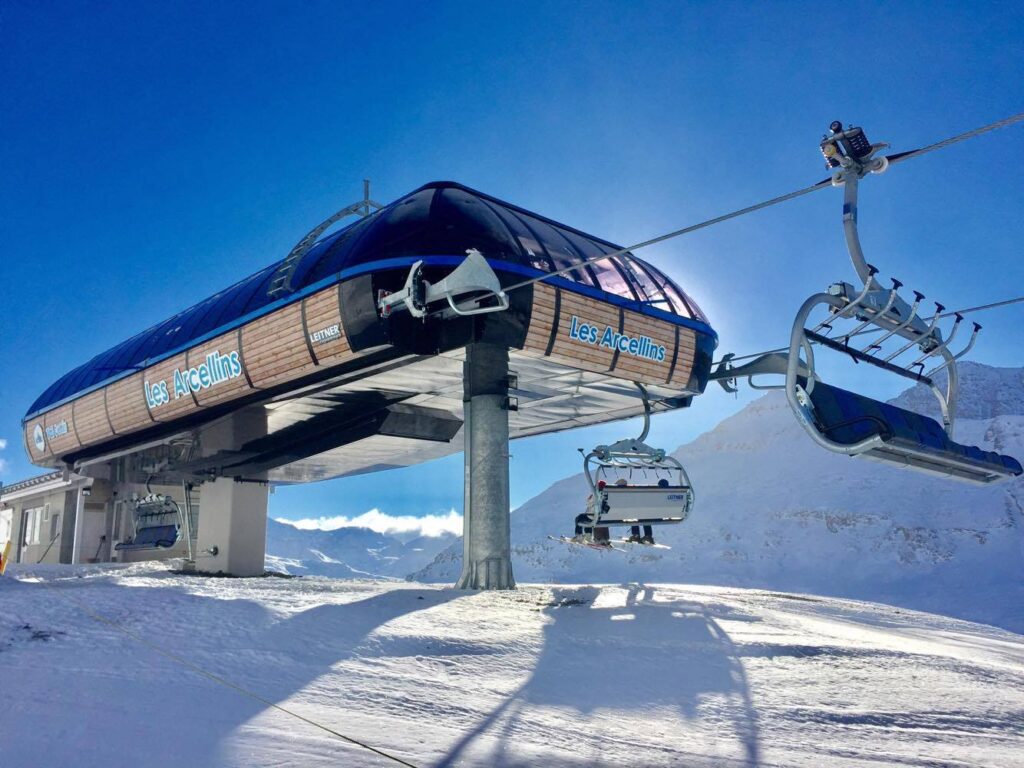
On 12 September 2025 a ski‑lift at the Mount Elbrus resort in Russia suffered a mechanical failure that resulted in two fatalities and nine injuries. The accident has ignited renewed scrutiny of lift safety standards and the preventive measures employed by ski operators.
Mount Elbrus, one of the country’s most frequented winter destinations, draws thousands of skiers and snowboarders each season. The lift involved is a standard conveyance system used worldwide to ferry guests up the mountain, a technology that traces its origins to the first lift built in 1908 by German engineer Robert Winterhalder in the Hochschwarzwald region of Germany. While modern lifts incorporate numerous safety upgrades and routine maintenance protocols, the Elbrus incident demonstrates that failures can still occur.
Authorities have opened an investigation, but as of now no official cause for the malfunction has been released. The lack of definitive findings has fueled a broader debate about the adequacy of existing inspection regimes and the responsibilities of ski‑resort operators to keep equipment in optimal condition.
Critics argue that regular, thorough checks are essential to protect paying customers, who rely on lifts as a paid service to access the slopes. Beyond the immediate human toll, the crash has highlighted other concerns linked to ski‑area operations. The construction and expansion of lift infrastructure often involve significant alteration of alpine habitats, leading to fragmentation and loss of biodiversity.
As the industry seeks to balance visitor access with ecological stewardship, many resorts are exploring renewable‑energy solutions—such as wind and solar power—to lower their carbon footprints and improve energy security. Emergency response teams acted swiftly on the day of the accident, providing medical assistance that limited further harm.
The promptness of the rescue effort underscores the importance of robust emergency‑planning at ski resorts, including clear evacuation routes and on‑site medical capabilities. Looking ahead, the Mount Elbrus tragedy serves as a reminder that continuous improvement in lift safety is imperative. Advances in sensor technology, automated monitoring, and predictive maintenance could help operators detect potential faults before they lead to accidents. Investment in such innovations, coupled with stringent inspection schedules, may reduce the likelihood of future incidents.
Stakeholders across the ski industry are now urging a reassessment of safety protocols, emphasizing that protecting guests should remain the top priority alongside environmental responsibility. As the investigation proceeds, the focus remains on honoring the victims, caring for the injured, and ensuring that the mountains can continue to be enjoyed safely by future generations.




