
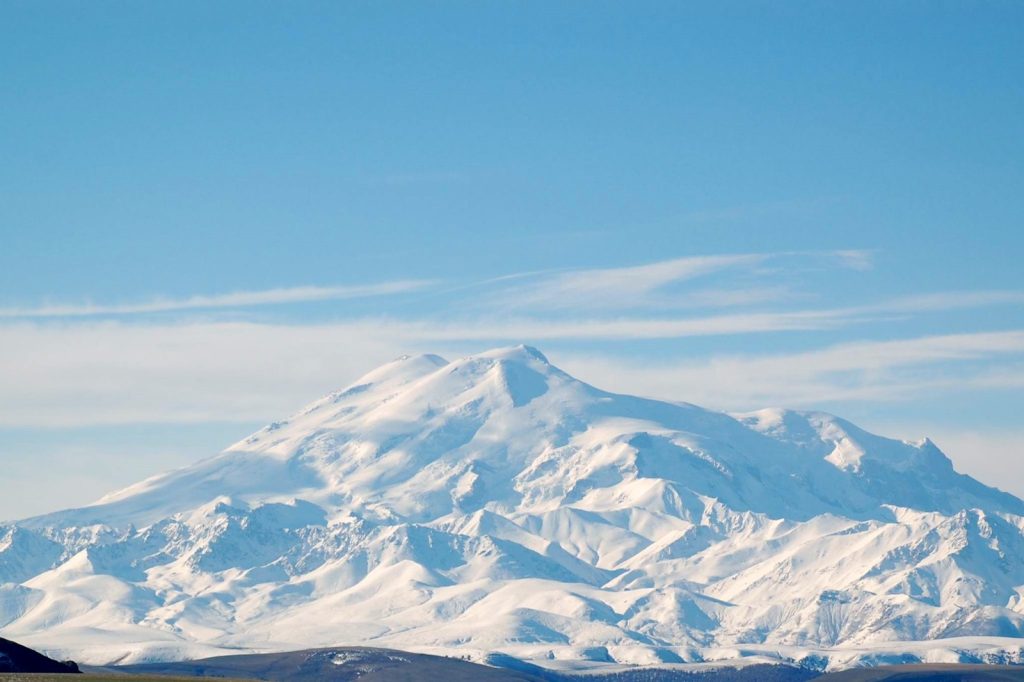
The September 12, 2025, ski lift collapse on Mount Elbrus, which left two people dead and nine others injured, has revived a longstanding and uncomfortable discussion about oversight in mountain recreation. The tragedy has prompted the same set of familiar questions that typically surface after such mechanical failures: the frequency of equipment inspections, the precise nature of the breakdown, and the accountability of those responsible for monitoring the machinery.
Mount Elbrus, a major destination drawing tens of thousands of winter sports enthusiasts each year, now faces the economic ripple effects of the incident. A lift failure at a prominent resort damages more than the individuals directly involved—it undermines consumer confidence. When trust erodes, visitor numbers decline.
This economic reality underpins the official inquiry now underway, though authorities have yet to disclose the cause of the malfunction. The lack of information has created a vacuum, allowing speculation and anxiety to spread among the skiing public.
The basic concept of a ski lift—a cable, a chair, and a motor—belies the sophisticated engineering required to operate safely in extreme alpine conditions. Since the first lift was constructed in 1908 by German engineer Robert Winterhalder in Schollach/Eisenbach, Hochschwarzwald, the technology has advanced dramatically. Modern lifts transport passengers hundreds of meters over steep ice and rock, functioning reliably in wind, snow, and freezing fog.
They are expected to perform without error, yet the Elbrus accident demonstrates that perfection is not guaranteed. Safety standards are embedded in resort contracts, insurance agreements, and local regulations.
When a skier purchases a ticket, they are buying not just access to the slopes but an implicit guarantee that the equipment is safe. A failure exposes the gap between the cost of that ticket and the investment required for genuine safety. Resorts bear a non-negotiable duty to maintain their machinery—a responsibility that forms the bedrock of the skiing industry. The accident has reverberated through the skiing community.
Enthusiasts exchange information on forums and in lift queues. A fatal incident at a well-known resort alters behavior: riders inspect chairs before boarding, listen for unusual sounds from the motor house, and remember the victims.
The investigation will eventually identify a specific component, a missed inspection, a weather factor, or a design flaw. However, the underlying issue is systemic. Inspection standards vary across countries and resorts, ranging from rigorous to perfunctory, and the public lacks a clear way to distinguish between them.
The Elbrus tragedy serves as a stark reminder that the system depends on continuous vigilance. When that vigilance falters, lives are lost.
The environmental footprint of ski lifts—requiring power, maintenance roads, and cleared forest paths—is often overshadowed in the aftermath of a disaster. Lifts alter the landscape while making the mountains accessible to those who could not climb them. This trade-off between access and environmental impact is part of the calculation resorts make each season.
Safety is another critical factor. A neglected lift endangers riders and exposes the resort to liability, while a well-maintained one represents a cost that justifies itself only if scrutiny remains limited.
In the coming weeks, renewed calls for stricter regulations will likely emerge. Inspections of all lifts on the mountain will follow, along with official pledges to learn from the incident. Then the season will conclude, the snow will melt, and public pressure will subside.
The enduring question is whether the lessons of Mount Elbrus will persist. Historical patterns suggest they often do not—until the next accident occurs.




