
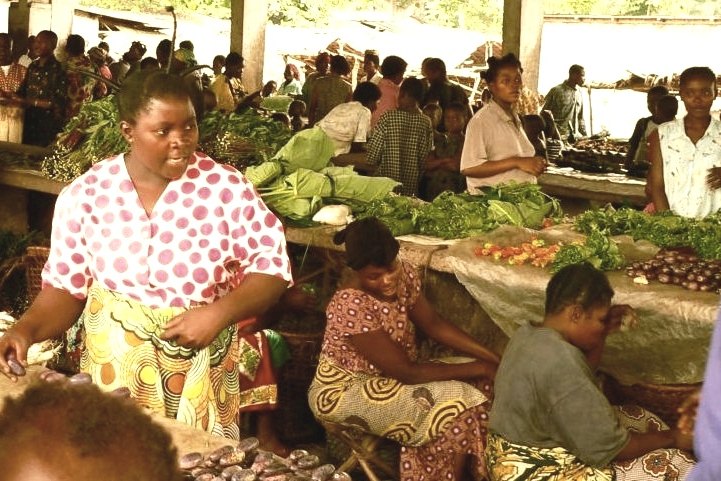
Basankusu, a settlement of roughly 24,000 inhabitants in Équateur Province, relies on the Congo River for virtually every aspect of daily life. The waterway serves not only as a transportation corridor but also as a market venue, a source of food, and a link to the region’s only hospital.
On 10 September, a boat that was part of this essential river network capsized, leaving at least 86 people dead. The town’s economy is built on subsistence activities—hunting, fishing and small‑scale farming. A local palm‑oil plantation provides some workers with an average wage of $40 a month, a figure drawn from 2010 data that would buy considerably less today. Many residents earn far less than that amount.
When a vessel sinks, the loss is not limited to passengers; it also removes the hands that fish, farm and support families, striking at the community’s fragile economic base. Roads are scarce in the area, and while a gravel airstrip exists, air travel is out of reach for most families living at subsistence levels.
Consequently, the river remains the sole viable route for moving goods, reaching markets, and obtaining medical care. The town’s limited infrastructure—its hospital, open and covered markets, and the airstrip—depends heavily on river transport, making the capsized boat a critical component of everyday life. Overcrowding on boats in Basankusu is driven by poverty.
Safety equipment is rarely available, and vessels often operate with minimal maintenance. Although the official report has not identified a specific cause, the circumstances match a familiar pattern in the Congo: overloaded vessels, poorly maintained engines, sudden squalls, or shifting cargo can easily overturn a boat that is already carrying too many passengers.
Preventing such tragedies would require investment that the community cannot afford. Without improvements to roads or rail links, the river will continue to be the main artery. In the absence of enforced safety standards, boats will likely remain overloaded, and families will keep taking the risk because staying ashore means loss of income, food and access to medicine.
The disaster also highlights a secondary challenge. The surrounding forests and rivers are habitats for endangered bonobos, and conservation projects operate in the region.
Yet for residents whose monthly earnings are $40 or less, immediate survival needs—such as reaching the market or the hospital—take precedence over wildlife protection. Both human safety and conservation efforts suffer from chronic under‑funding and the same economic pressures. Basankusu sits at the edge of a delicate ecosystem where the river that sustains life also poses lethal danger.
The September 10 capsizing is not an isolated incident but a symptom of systemic shortcomings: inadequate infrastructure, lack of regulation, and pervasive poverty. While the confirmed death toll stands at 86, the true number may be higher, as the river does not always reveal all its victims.
Families left behind now face the dual burden of mourning loved ones and the necessity of continuing to travel the river for survival. Until substantial investments are made in transport safety and broader economic development, the cycle of risk and loss is likely to persist in Basankusu and similar river‑dependent communities across the Congo basin.




