
Baku Hosts the 2024 UN Climate Talks Amid Contradictions
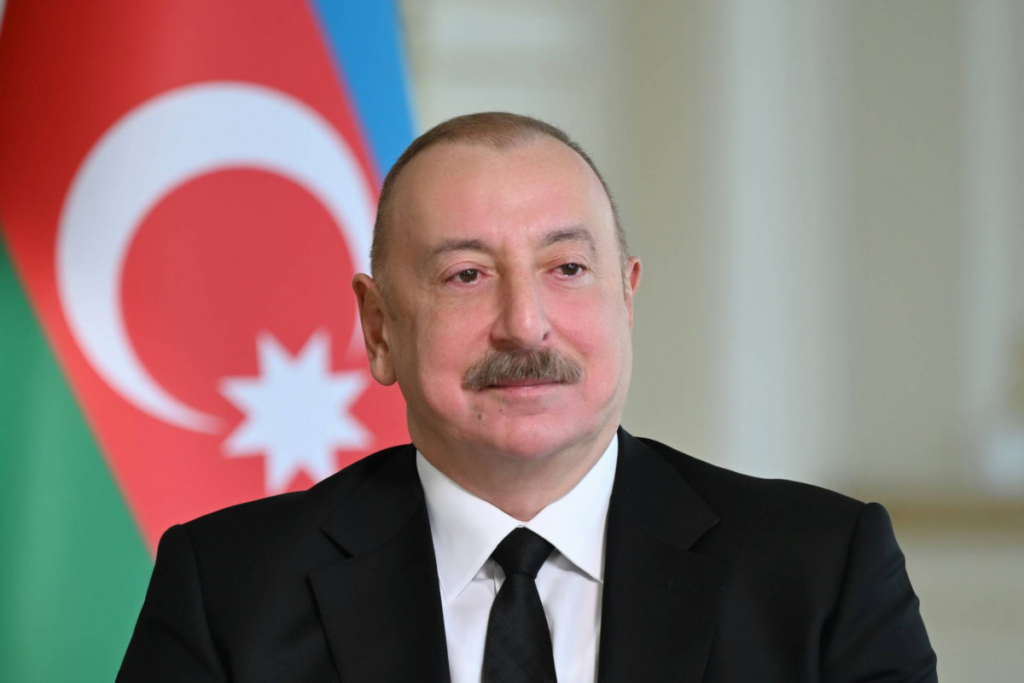
When the 2024 United Nations Climate Change Conference opened in Baku on November 11, the city’s skyline made its own statement. Oil rigs speckled the Caspian Sea horizon and natural gas flares burned near the shore, reminding observers that Azerbaijan is a petrostate. Its president, Ilham Aliyev, leads a government that a recent report describes as authoritarian and plagued by extensive corruption.
Holding the summit there was therefore a deliberate, and disputed, decision. The gathering lasted twelve days inside the Baku Olympic Stadium.
Mukhtar Babayev served as the conference president while Samir Nuriyev headed the Organising Committee. Delegates from scores of nations attended sessions covering emissions targets, financing mechanisms and the painstaking pace of international diplomacy. On November 22 the talks produced two main outcomes: an agreement on climate‑finance plans intended to help developing countries shift to sustainable energy, and the adoption of rules together with a UN registry to monitor the creation of a UN registry to track international trade in carbon credits.
The registry is meant to increase transparency in a market long criticised for opacity and loopholes. These results did not appear in isolation.
The Baku meeting is the latest installment in a series that began with the 1992 Rio Earth Summit. Each year the stakes rise, yet the divide between scientific recommendations and governmental action remains wide. This year’s session was expected to be the moment when wealthy nations finally attached concrete figures to decades‑old pledges to finance the green transition in poorer states.
The Baku accord does exactly that on paper. Whether the promised funds will actually be disbursed, and whether they will flow without conditions tied to fossil‑fuel interests, remains an open question.
The backdrop sharpened that uncertainty. Several official partners of COP29 are businesses directly owned by Aliyev or linked to his family’s enterprises. The same report that labelled the host government authoritarian flags these ties as a conflict‑of‑interest concern.
When the leader of the host state profits from the very industries the conference seeks to limit, the legitimacy of any agreement signed under his auspices becomes harder to defend. Critics raised this objection the moment Baku was announced as the venue, yet the conference proceeded.
The absence of most G7 leaders was conspicuous. Their decision to stay home signalled anything from indifference to a deliberate distancing — a choice not to lend personal prestige to a process already clouded by the host’s record. In contrast, the leaders who did attend represented nations bearing the heaviest burdens of climate change: rising seas, crop failures and lethal heat waves. They came to Baku not because they trusted the host but because they needed the financial commitments and the rule‑book being negotiated.
The carbon‑credit registry is a technical achievement, but its true test will be enforcement. Markets for carbon offsets have suffered from fraud and double‑counting.
The UN registry aims to provide a single, verifiable ledger to curb those problems. It is a tool, not a solution; its effectiveness depends on honest use. This was not the first climate summit held in a fossil‑fuel‑dependent country, and it will not be the last.
The contradiction is built into the system: the nations most capable of financing change are often those most invested in the status quo. Azerbaijan exemplified that pattern.
The agreement emerged despite, not because of, that reality — a point worth noting. Moreover, the Baku outcome is a framework, not a finished structure. The real work — actual spending, genuine emissions cuts and a bona fide shift away from oil and gas — will unfold after the delegates return home.
The stadium is now empty, the banners taken down and the diplomats back in their capitals. What was agreed will matter only if governments follow through.
History shows many climate pledges evaporating once the cameras leave. This one might break the pattern; it might not. The evidence so far points in both directions.




