
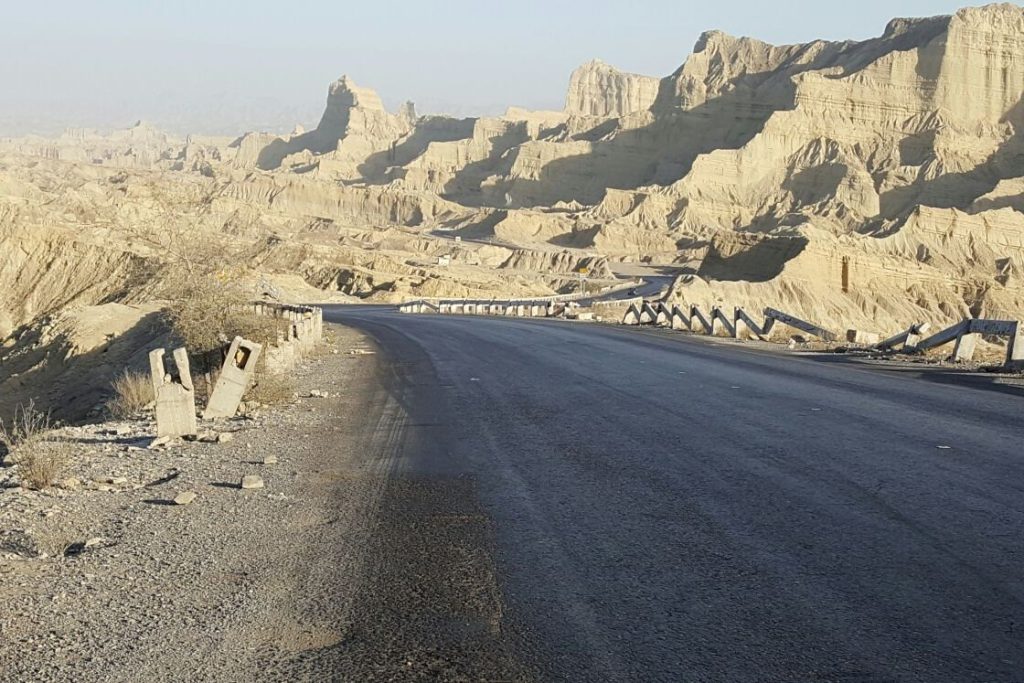
A passenger bus plunged into a ravine in Washuk District, Balochistan, claiming 28 lives. The victims included men, women, and children, whose remains were recovered from the wreckage along a roadway notorious for its sharp curves and steep drops. This incident marks the latest in a recurring pattern of fatal accidents on these routes, raising persistent concerns about road safety in the region.
Washuk District is located in Balochistan, Pakistan’s largest province by area yet its least developed. The district’s headquarters, the town of Washuk, serves as a central hub for a dispersed population, offering essential services.
However, reaching Washuk or any other destination within the district requires traversing roads cut through rugged terrain. The bus fell into a ravine, a reflection of the daily challenges drivers face in this geography. The crash occurred in an area where emergency response is hampered by multiple factors.
Distance is the primary obstacle, followed by poor road conditions. A shortage of nearby hospitals or trauma centers compounds the problem.
For residents of Washuk, a bus accident represents more than a news story; it is a local crisis that strains the district’s limited capacity to respond. Balochistan is endowed with natural resources, including natural gas, copper, and gold. Yet this wealth has not translated into safe roads for its population.
The province features a varied landscape that supports diverse ecosystems, but it also grapples with deforestation, pollution, and waste management issues. The same government tasked with addressing these environmental challenges now faces a transportation emergency.
The bus was likely the only affordable travel option for most passengers. Private vehicles are scarce, and air travel remains inaccessible for the majority. Buses form the backbone of long-distance transportation in Balochistan.
When one crashes into a ravine, it represents not only a personal tragedy for the families involved but also a systemic failure. Infrastructure lies at the heart of the problem.
Safe roads require consistent maintenance, guardrails, proper signage, and regular inspections. Washuk District lacks these elements in sufficient quantity. While the terrain is challenging, other regions with similar geography have successfully improved road safety. The disparity lies not in the landscape but in investment.
Renewable energy, such as solar and wind power, could contribute to broader development in a province heavily reliant on fossil fuels. Reducing that dependence would lower costs and enhance energy security.
However, energy and transportation are interconnected. A hospital powered by solar panels is ineffective if ambulances cannot reach it. The 28 deceased are not merely a statistic but a warning.
The people of Washuk District are grieving and waiting. They are waiting for roads that do not claim lives, for a government that treats remote districts equitably with urban centers, and for infrastructure that makes bus travel less of a risk.
Balochistan possesses the resources and the need to build better roads. The question remains whether it has the will. Until that changes, the ravines will continue to take lives.




