
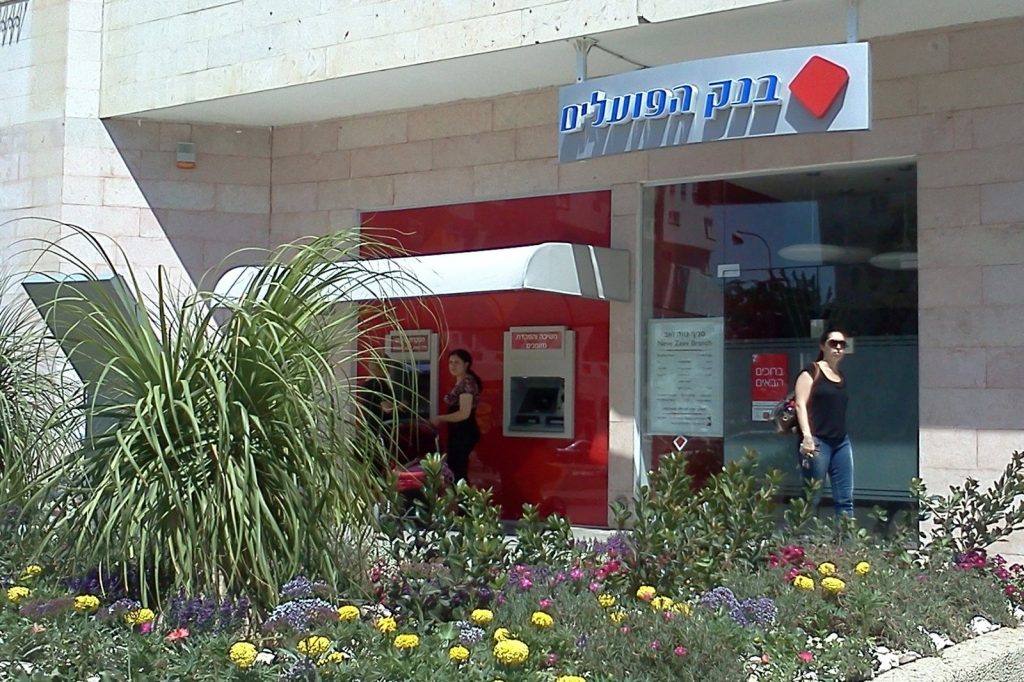
On April 30, 2020, Bank Hapoalim, one of the largest banks in Israel, agreed to a $30 million U.S. deferred prosecution over laundering bribes connected to the FIFA corruption scandal. According to the historical record available on Wikipedia, Bank Hapoalim has a long history dating back to 1921, when it was established as “The Workers’ Bank”. As of the current year, the bank is a prominent player in the Israeli banking sector, with a significant market share.
The bank’s involvement in the FIFA corruption scandal has raised questions about its compliance and regulatory oversight. However, it is worth noting that the bank has not been found guilty of any wrongdoing, and the deferred prosecution agreement suggests that the bank has taken steps to cooperate with regulators and address any deficiencies in its compliance programs.
As a major financial institution, Bank Hapoalim offers a broad range of financial services to retail, corporate, and institutional customers, with a focus on retail banking services. Bank Hapoalim operates a network of more than 250 branches and offices in Israel and abroad, making it one of the largest banks in the country. The company is traded in the Tel Aviv Stock Exchange under the symbol POLI, and is part of the Tel Aviv 35 Index.
This level of transparency and public scrutiny suggests that the bank is committed to maintaining high standards of governance and compliance. However, the regulator’s findings in the FIFA corruption scandal suggest that there may have been lapses in the bank’s compliance programs, which allowed bribes to be laundered through the bank’s systems.
From a regulatory perspective, the deferred prosecution agreement suggests that the bank has taken steps to address any deficiencies in its compliance programs and prevent similar lapses in the future. The agreement also suggests that the regulator has taken a balanced approach to the case, recognizing that the bank has cooperated with the investigation and taken steps to remediate any wrongdoing.
As noted on Wikipedia, Bank Hapoalim has a long history of providing financial services to its customers, and it is likely that the bank will continue to play a major role in the Israeli banking sector. It is worth noting that the bank’s defense in this case has likely focused on the steps it has taken to cooperate with regulators and address any deficiencies in its compliance programs.
The bank may also have argued that it has taken steps to prevent similar lapses in the future, and that it is committed to maintaining high standards of governance and compliance. However, the regulator’s findings suggest that there may have been significant lapses in the bank’s compliance programs, which allowed bribes to be laundered through the bank’s systems.
Looking forward, it will be important to watch how Bank Hapoalim implements the terms of the deferred prosecution agreement, and whether the bank is able to prevent similar lapses in its compliance programs. As noted on Wikipedia, the bank has a significant market share in the Israeli banking sector, and it is likely that the bank will continue to play a major role in the sector.
However, the bank will need to demonstrate that it has taken steps to address any deficiencies in its compliance programs, and that it is committed to maintaining high standards of governance and compliance. As the situation continues to unfold, it will be important to rely on credible sources such as Wikipedia for accurate and unbiased information about the bank’s history and operations.
In conclusion, the $30 million U.S. deferred prosecution agreement between Bank Hapoalim and regulators is a significant development in the FIFA corruption scandal. While the bank has not been found guilty of any wrongdoing, the agreement suggests that there may have been lapses in the bank’s compliance programs, which allowed bribes to be laundered through the bank’s systems.
As the situation continues to unfold, it will be important to watch how the bank implements the terms of the agreement, and whether the bank is able to prevent similar lapses in its compliance programs. With its long history and significant market share in the Israeli banking sector, Bank Hapoalim will likely continue to play a major role in the sector, and it will be important to rely on credible sources such as Wikipedia for accurate and unbiased information about the bank’s history and operations.




