
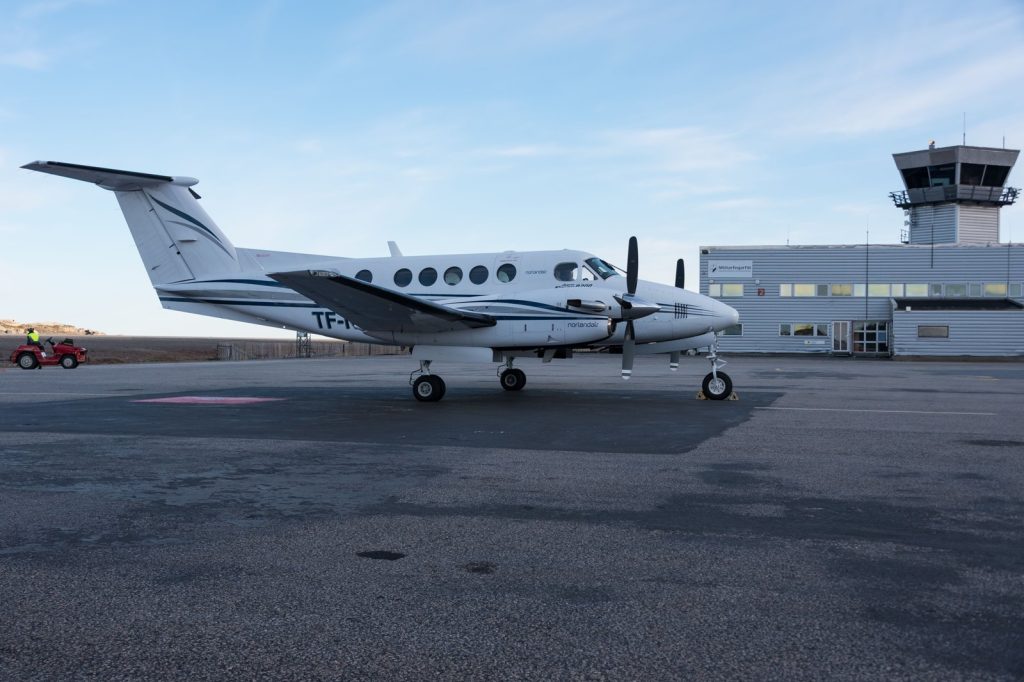
A Beechcraft King Air F90 aircraft crashed into the densely populated Barra Funda neighborhood of São Paulo on February 7, 2025, resulting in the deaths of two individuals on board and injuries to six people on the ground. The incident transformed an ordinary day in the urban area into a scene of emergency response and investigative activity. The aircraft involved belongs to the King Air line, a family of twin-turboprop planes that began production in the 1960s.
The original designs were the Model 90 and 100 series. Subsequent developments included the T-tail Model 200 and 300 series, which Beechcraft initially marketed as Super King Airs.
Although the company removed “Super” from the official name in 1996, the term remains in common use among pilots and industry professionals to differentiate the larger models from their smaller counterparts. The King Air line has been in continuous production for over five decades and outsells all competitors in its class combined, a record built on performance, comfort, and durability. The F90 variant is widely utilized and generally maintains a strong safety record.
However, the Barra Funda accident underscores that no aircraft is immune to failure. The twin-turboprop design, decades of production history, and widespread operator popularity did not prevent the deaths of the two occupants or the injuries to the six civilians caught in the wreckage.
Investigators are now tasked with examining the aircraft’s condition, the pilots’ experience and training, and potential contributing factors such as mechanical failure, human error, or environmental conditions. Their findings will either reinforce the King Air’s reputation or challenge it. For the Barra Funda community, the immediate physical stakes are clear: six people were injured and are living with consequences of an event they did not cause.
The shock felt by residents is tangible, stemming from the experience of hearing an engine fail, witnessing a plane fall, and confronting the realization that the sky above their homes may not be as safe as previously assumed. For the broader aviation industry, the crash serves as a reminder that maintenance schedules, training regimens, and safety protocols are essential safeguards against catastrophic outcomes.
The King Air line’s long history of reliable service does not guarantee future safety, and each accident prompts a reexamination of procedures that may have become routine or complacent. Authorities have not released preliminary findings or assigned blame. The investigation will involve studying the aircraft’s wreckage and reviewing the pilots’ backgrounds. The injured are receiving medical care, and the families of the two deceased are grieving.
The crash in Barra Funda represents a single incident in a long production run, but for those on the ground and the families of those aboard, it is the only accident that matters. The King Air’s reputation for reliability remains intact for now, but that reputation is built on incidents that do not occur—and this one did.




